July 13, 2016 July 13 Quiz – LesionsHow well do you know your canola leaf lesions? Take the quiz to find out! (Photo credit: Angel Hewson)
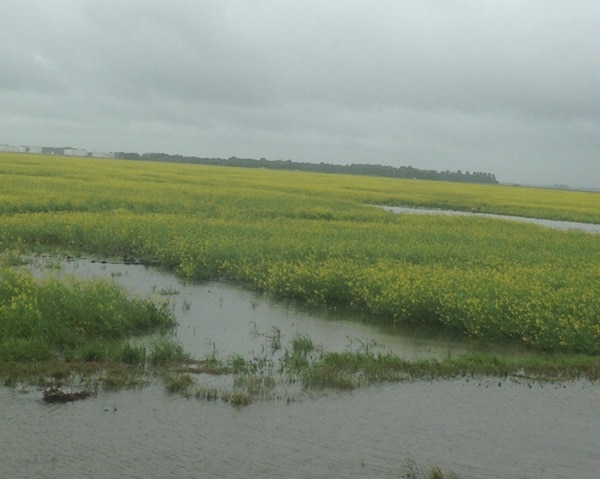
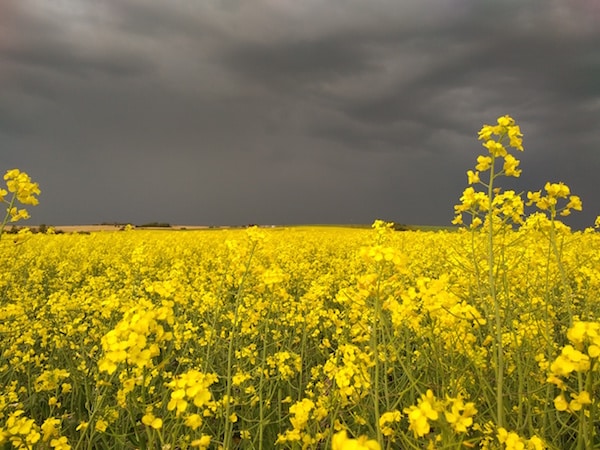
July 13, 2016 Mid- to late-season waterloggingHeavy rains in some areas have canola fields looking like the one in this photo from Brent Wiebe. So what happens to canola plants
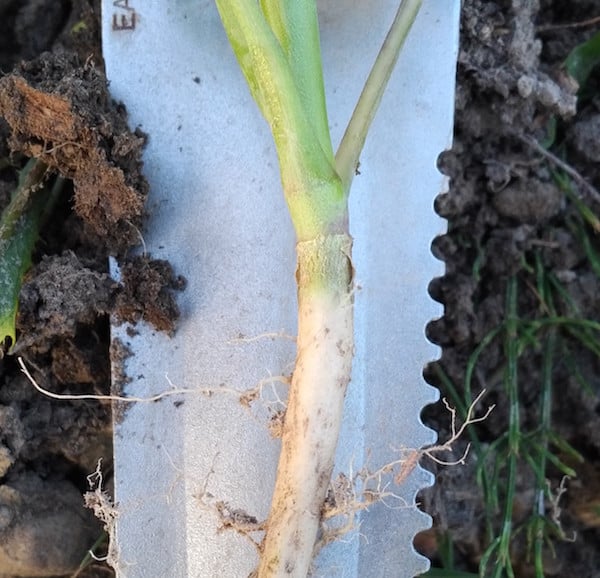
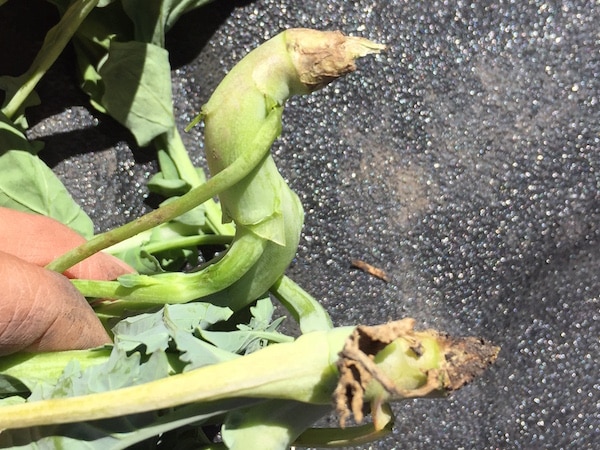
July 13, 2016 Check crowns and primary rootsWhile scouting canola fields at flowering and podding stages, dig up a few plants in each field and look at the crown and primary
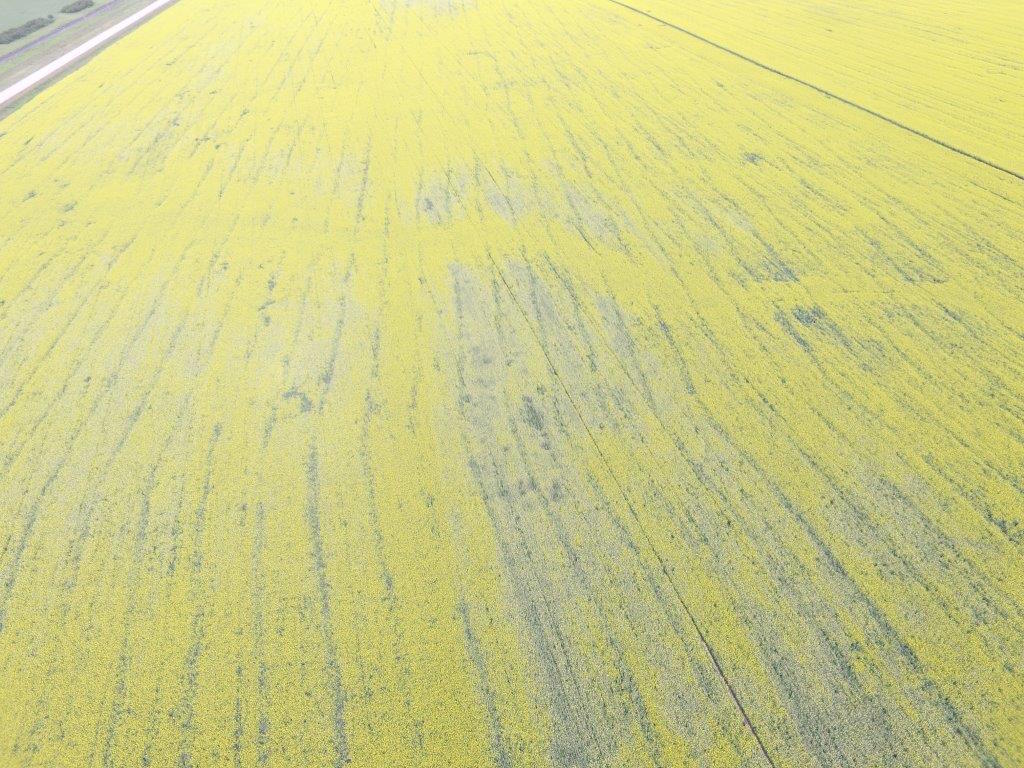
July 13, 2016 Light-coloured petals: Sulphur or something else?Canola Watch had a question this week about light-coloured petals and what can cause them. The field in question had large unruly patches of
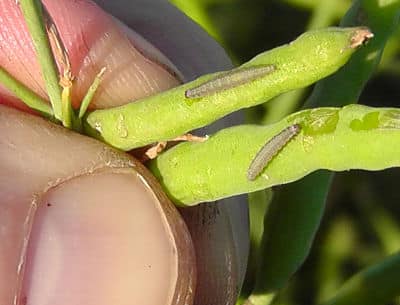
July 13, 2016 Diamondback moth larvae — ThresholdsThresholds for diamondback moth larvae are 100-150 larvae per square metre in immature to flowering plants and 200-300 larvae per square metre (20-30 per
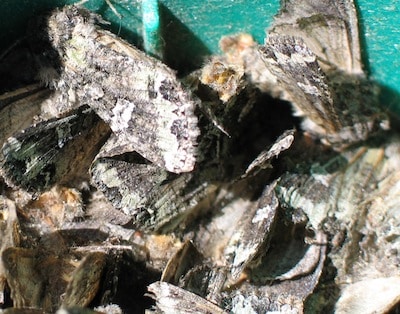
July 13, 2016 Insect update: Lygus, bertha, checkered white butterflyBerth armyworm moth counts are generally low (fewer than 300 per trap) across the Prairies, which means a reduced risk for worm damage over
July 13, 2016 Sclerotinia: Late or second applicationsHeavy rains can increase the sclerotinia stem rot risk but they also make fields too wet for ground sprayers. This can delay timely applications,
July 6, 2016 Sclerotinia: Factors that increase and reduce riskFactors that increase the sclerotinia risk, factors that reduce the risk, and situations where a second application may be warranted….
July 6, 2016 Sclerotinia management: Common questionsHere are a few questions we often get on sclerotinia stem rot management. Answers and links may help with your management decisions.
July 6, 2016 Look out for foot rot: Consider rotationsRhizoctonia infection at the bolting and flowering stages of the season can cause roots to pinch off at the crown — which is right
July 6, 2016 Insect update: Lygus, bertha armyworm, CSPWThe current situation for lygus, bertha armyworm, cabbage seedpod weevil, diamondback moth and swede midge.
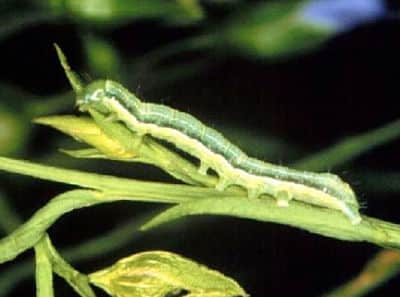
July 6, 2016 ID green worms accuratelyBefore spraying, make sure your canola is at the right stage to be damaged by the worms and that the worms are actually the