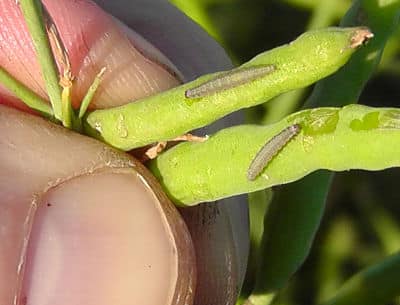
July 4, 2013 Diamondback moth scouting tipsThe most accurate method to estimate diamondback moth population density in canola is to count larvae in several locations throughout the field, and determine
July 4, 2013 Heat alone will not eliminate sclerotinia stem rot riskMoisture has a much larger influence than temperature when it comes to sclerotinia risk. Infection can be high in hot weather as long as
July 4, 2013 Heat blast and 6 other causes for missing podsAs canola starts to move from flowering and into pod formation, growers will often notice blanks up the raceme where pods did not form.
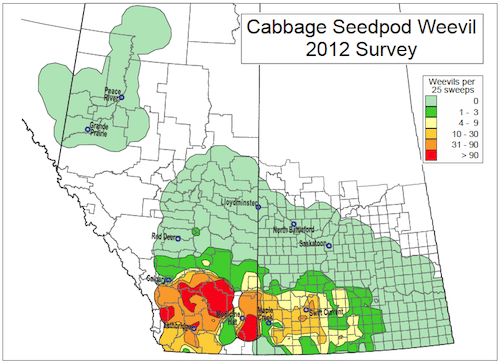
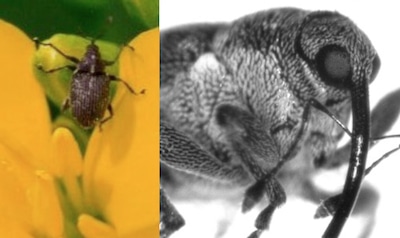
July 4, 2013 Cabbage seedpod weevil: Spray decision tipsCabbage seedpod weevil numbers are high in some regions of southern Alberta and southwestern Saskatchewan. The map shows CSPW reach for 2012. Growers and
July 4, 2013 Weevils and lygus feeding together. Threshold?Many canola fields have a combination of insects feeding on the crop. An “additive” effect is possible when more than one species are feeding
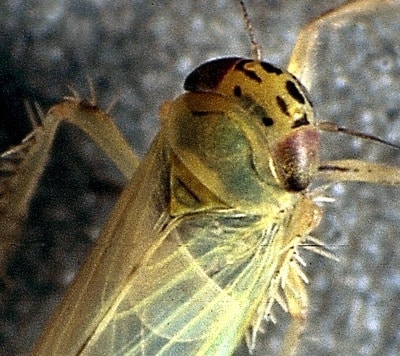
July 4, 2013 Leafhoppers buildingLeafhopper populations are building, which could increase the risk for aster yellows. Even so, there is not really a good case for spraying for
July 4, 2013 Top-dressing at early flowerThe ideal time for a sulphur top up is any time before flowering, but a top up at early flowering may pay off if
July 4, 2013 Top 10 reasons to manage for sclerotinia stem rot this yearThree of the top 10 have to do with moisture, the key risk factor for sclerotinia stem rot.
July 1, 2013 Cabbage seedpod weevil scouting alertCabbage seedpod weevil numbers are high in some regions of southern Alberta and southwestern Saskatchewan. Growers and agronomists are encouraged to scout canola fields,
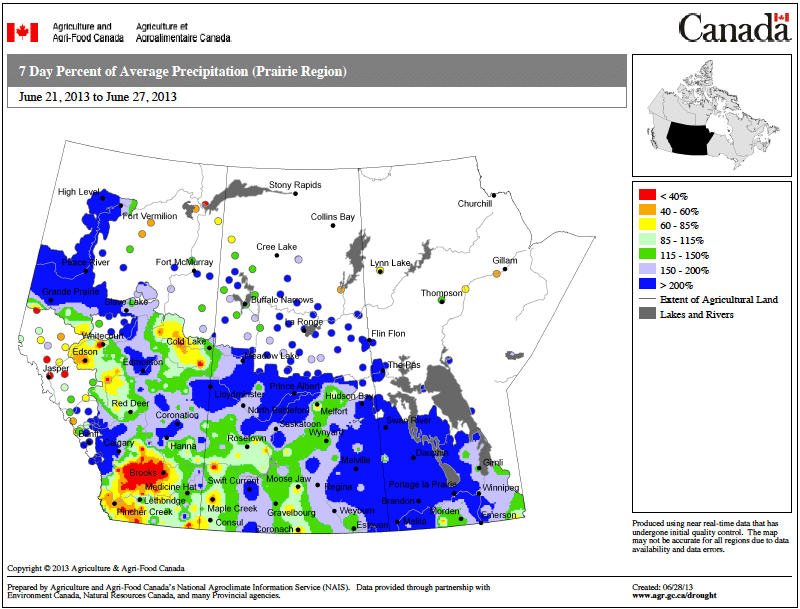
June 26, 2013 Issues of the weekWith rainfall general across the Prairies — excessive in certain areas — and with flowering just around the corner, the sclerotinia stem rot risk
June 26, 2013 Top 10 tips from the 2013 International Clubroot Workshop1. Have a plan to manage clubroot. Don’t wait until clubroot manages you. Whether you’re a farmer, agronomist, county/municipal staff, extension, or from the
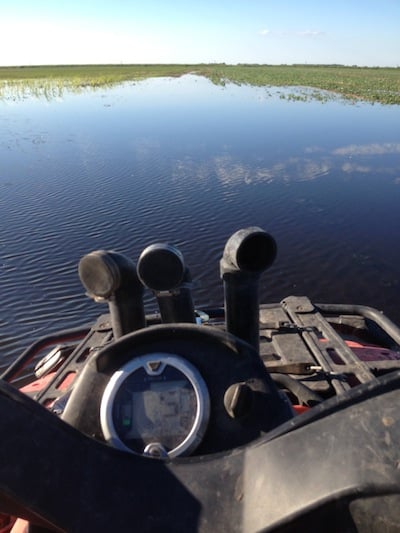
June 26, 2013 Excess moisture: Canola damage and agronomy responseWet soils cause an oxygen deficiency, which reduces root respiration and growth. Root failure reduces nutrient uptake, and plants will eventually die unless drowned