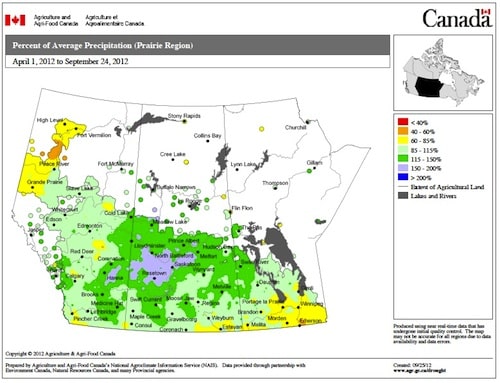
September 26, 2012 Factor: Excess rainRegular rains throughout central and west-central Saskatchewan in particular increased disease in canola. Fungicide to protect canola from sclerotinia stem rot was a worthwhile
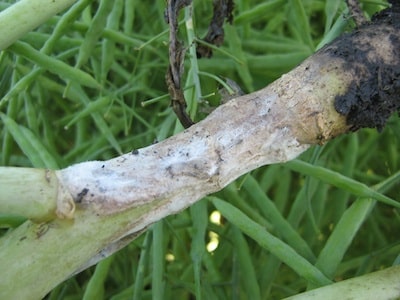
September 26, 2012 Factor: DiseaseSclerotinia is no longer a regional issue. It doesn’t matter where you farm, your canola can get a costly sclerotinia infection if conditions are
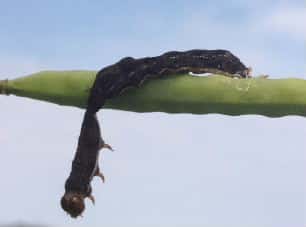
September 26, 2012 Factor: InsectsWe don’t exactly know why insects were more plentiful this year, but a mild winter and more canola than ever are likely factors. Achieving
September 26, 2012 Factor: Crop nutritionIf nutrient reserves were not utilized because of environmental extremes, where are these reserves? How big are they? Soil tests will help determine this
September 26, 2012 Factor: Plant standCanola needed 10 plants per square foot to deal with everything that came along in 2012 and still come through with a decent yield.
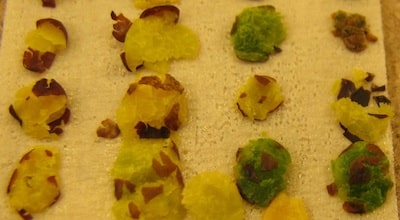
September 12, 2012 Issues of the weekHigh green seed counts have been reported in some fields. To restart the chlorophyll-clearing enzymes, canola seed needs to get back above 20% moisture.
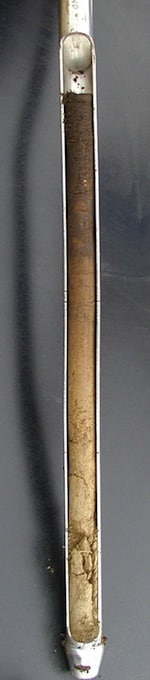
September 12, 2012 Fall soil tests: Now or before freeze up?If you want to use soil test results to see whether this year’s crop had enough nutrients, sampling now would be the better option.
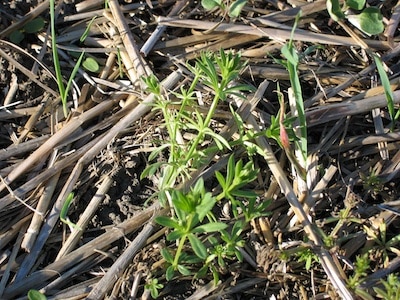
September 12, 2012 Spray weeds after a temperature shockCold temperatures help trigger winter annuals, such as cleavers (shown), and perennials to start moving food reserves down into below ground tissues, so waiting
September 12, 2012 High green? Pros and cons of waiting to combineGrowers with dry canola and high green counts are wondering whether to leave the swathed crop a while longer or combine now and accept
September 12, 2012 High green increases storage riskCanola with high chlorophyll content is less stable in storage, even if the canola is dry and cool. The safest bet is to deliver
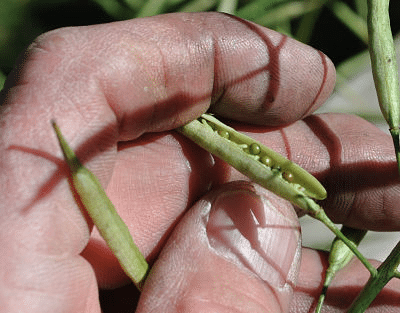
September 12, 2012 Frost in forecast: Should you swath now?With light frost in the forecast, crop left standing will still have a chance to mature further. A heavy frost will lock in high
September 12, 2012 After frost: Wait at least 4-6 hours for initial damage assessmentCanola can usually withstand a light frost, and immature crops are best left standing to finish. However, check anyway. The crop may look undamaged