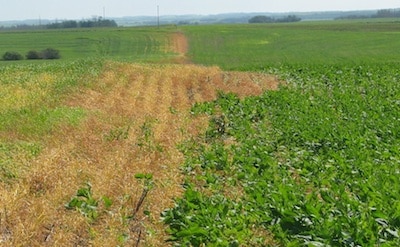
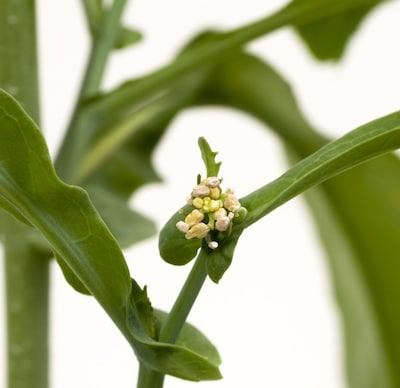
June 13, 2012 Drift management tipsTo reduce drift, use coarse sprays and apply at lower pressure, spray with at least some wind (calm is bad), slow down, consider shrouds,
June 13, 2012 Crop staging and herbicide timingRain has set back weed spraying. Early canola crops are near the end of their spray windows, even though some fields have not received
June 13, 2012 N and S lost with heavy rainsHeavy rains can increase nitrogen and sulphur leaching in lighter soils, and increase denitrification in heavier soils. While very good soil moisture conditions may
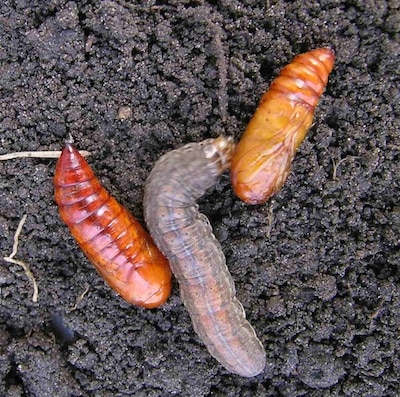
June 13, 2012 Cutworm scouting and control tipsCutworms can leave canola fields with bare patches, clipped plants and large chunks out of stems and leaves. Flocks of birds — crows, gulls,
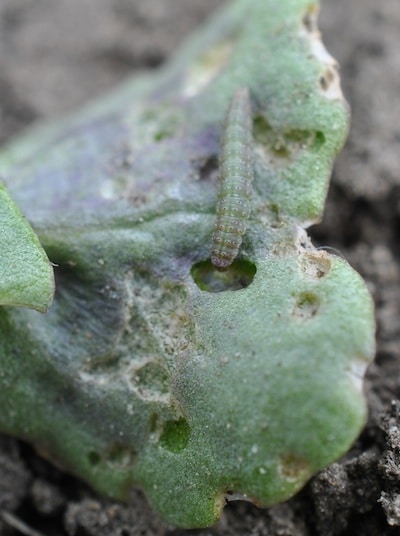
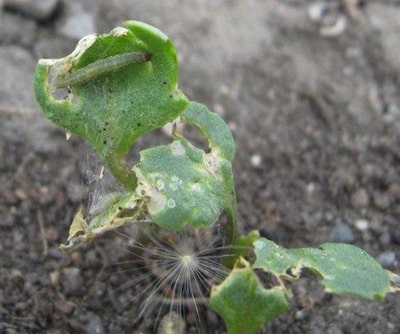
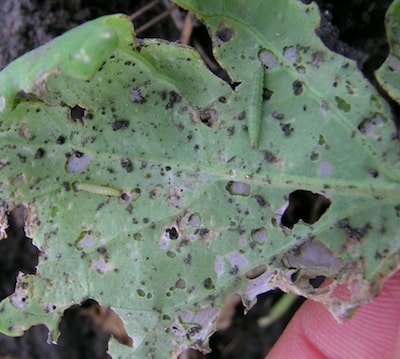
June 13, 2012 Diamondback larvae near thresholds in some canolaBefore spraying for diamondback moth larvae, make sure that: 1. Large areas within the field have reached the nominal threshold of 25% or more
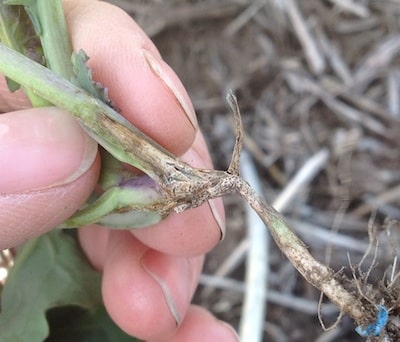
June 13, 2012 Disease watch: Blackleg and wirestemEarly blackleg infection — from the cotyledon to 3-4 leaf stages — leads to the greatest yield loss. If growers see blackleg lesions on
June 8, 2012 Diamondback larvae near thresholds in some canolaAdd diamondback moth larvae to your early season scouting list. Growers cannot expect insecticide seed treatment to protect canola from diamondback moth larvae, so
June 6, 2012 Issues of the week2012 is a bad year for flea beetles. The flea beetle threat continues all across the Prairies. Seed treatments for canola seeded in late
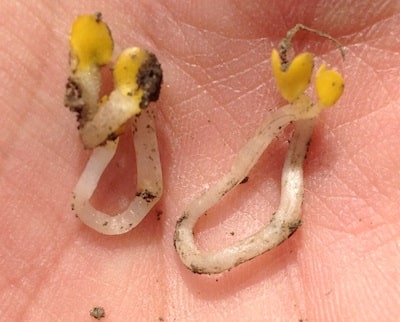
June 6, 2012 Photo quiz of the weekWhat caused these bent hypocotyls? Click Read More to make your answer.
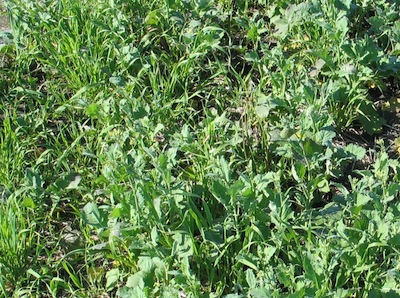
June 6, 2012 Grassy weeds advancingLL: Use high water volumes for Liberty and use the Group 1 tank mix. RR: Use the 180 ae rate of glyphosate if you
June 6, 2012 How to ID insects by feeding damageDiamondback moth and flea beetle damage can look similar in some cases. So can wireworm and cutworm underground feeding. Look for the damage and
June 6, 2012 Tank mixing herbicide with fungicide or insecticideIf an insect or disease threat is present at economic thresholds and within the weed control window, applying herbicides with other pest control products