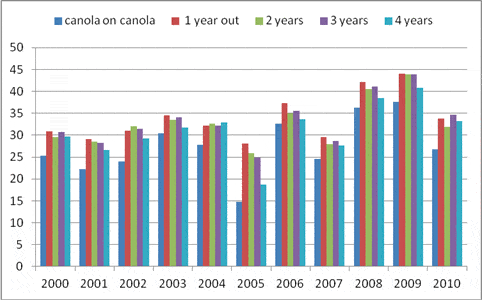
December 8, 2011 Rotations for yieldA recent Agriculture and Agri-Food Canada study found that growing peas and, to a lesser degree, lentils the year prior to canola can enhance
December 8, 2011 Rotations for pest resistance managementLack of crop diversity can increase the density of pests in a field. The higher the population of a pest in a field, the
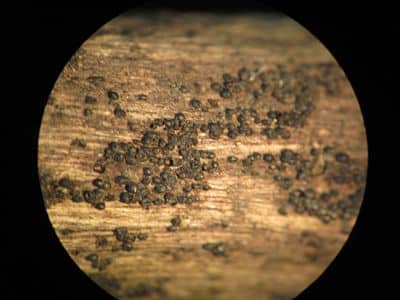
December 8, 2011 Rotations for disease managementBlackleg resistance is starting to show cracks in some areas where tight canola rotations have become normal practice. This is a reminder that the
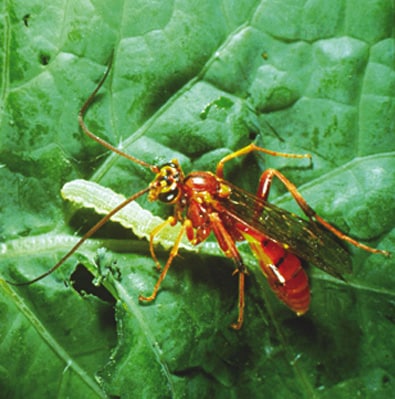
December 8, 2011 Rotations for insect controlNew research shows a statistically significant increase in crop damage by root maggots in continuous canola rotations. This increased damage coincided with reduced yields.
December 8, 2011 Rotations for weed managementThe success of herbicide tolerant canola technology to control weeds is one reason why canola rotations have tightened. Economical weed control has increased canola
December 8, 2011 Rotations for profitabilityTaking a risk on a tight canola rotation may be the better economic decision for their farm that year. But having some diversity can
November 3, 2011 Topics for the monthA good time to test soils. Hold off on tillage. The seed decision. New insights for canola storage. Please fill in our Canola Watch
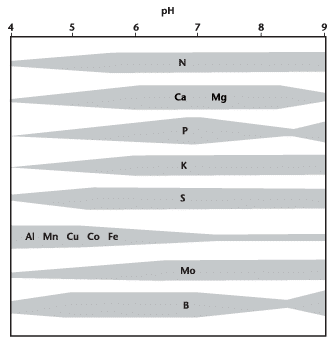
November 3, 2011 Good time for soil testsFall is a good time to do soil tests. Growers may have a extra few hours to take samples, unlike in spring. And with
November 3, 2011 Ask for an organic matter testSoil organic nitrogen levels in the top 6” of soil can range from 2,500 to 7,500 pounds per acre. Around 1% to 3% of
November 3, 2011 Is that tillage really helping?Growers have made great strides in advancing no tillage and conservation tillage practices. General benefits include reduced fuel use, reduced soil erosion, higher soil
November 3, 2011 What seed to buy?Canola Performance Trial data, which compares new varieties against current industry leaders in small and field scale plots, will be released within the next
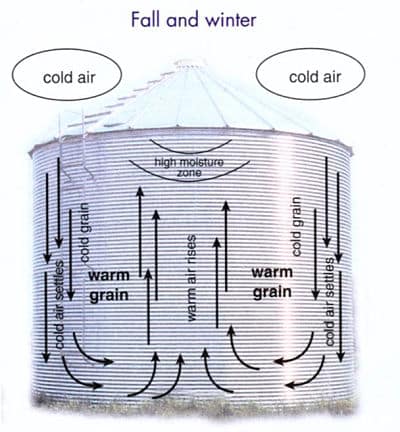
November 3, 2011 The air is cooling. Are your bins?As the outside air cools, air cycles within the bin tend to concentrate moisture at the top of the central core. (See the image