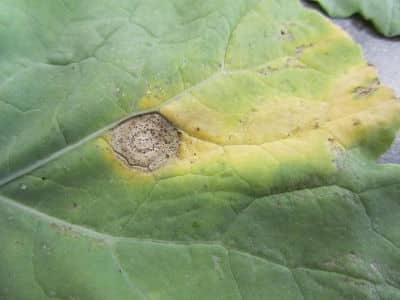
July 13, 2011 Blackleg in eastern ManitobaCanola fields in eastern Manitoba are showing signs of blackleg infection. The photos below show typical damage. There is no effective fungicide for canola
July 7, 2011 Issues of the weekMoist conditions increase the sclerotinia stem rot risk. High humidity (even if it doesn’t rain) can promote apothecia to release higher levels of sclerotinia
July 7, 2011 Canola can recover from hail at rosette and flowering stagesFertilizer top dressing right after a hail has been shown in some anecdotal cases to improve canola recovery after a hail, but third party
July 7, 2011 Hail can increase sclerotinia riskRegrowth after hail may extend the flowering period, which also increases the sclerotinia stem rot risk. If yield potential is still high and if
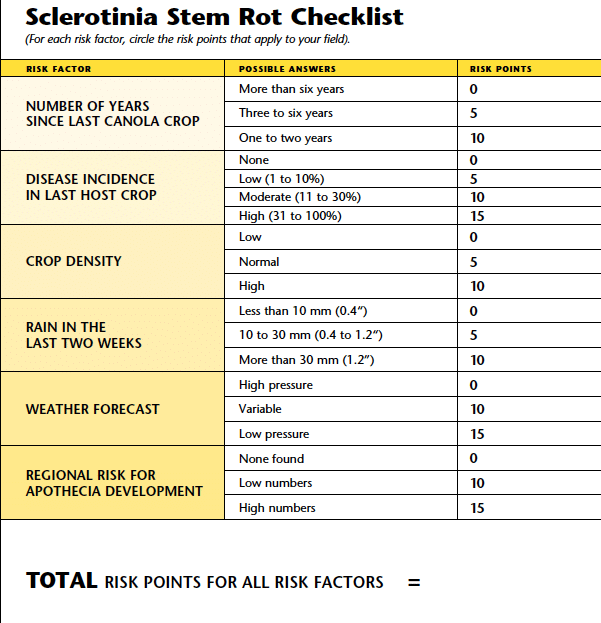
July 7, 2011 Sclerotinia checklist: What does your score mean?Even if it doesn’t rain during flowering, high humidity can promote apothecia to release sclerotinia ascospores. Consider that when using the checklist to calculate
July 7, 2011 Fertilizer top up to rescue late thin cropA crop needs 40 to 60 frost free days after the start of flowering to reach maturity. That takes us to late August or
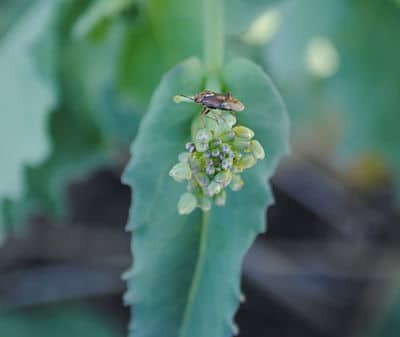
July 7, 2011 Insect updateCabbage seedpod weevil adults have arrived and are feeding on volunteer canola at the bloom stage in southern Alberta and southwest Saskatchewan. Weevils move
July 7, 2011 Volunteer canola control in an unseeded fieldVolunteer canola that is done flowering will have already produced a large amount of viable seed. Unfortunately, controlling plants at this stage of growth
June 29, 2011 Issues of the weekMany canola fields are under stress from excess water. A fertilizer top up may help, but hold off until the ground dries up and
June 29, 2011 What is the goal with a late herbicide spray?Herbicide labels say that glyphosate and Odyssey cannot be applied to canola after the 6-leaf stage and Liberty cannot be applied after early bolting.
June 29, 2011 5 key questions about sclerotinia sprayingIf fields are moist at the time of flowering, and canola has good yield potential (e.g. 30 bu./ac. or more), then it will probably
June 29, 2011 Insect update: Lygus bugs and cabbage seedpod weevilLygus bugs are feeding on canola in the Peace River region and in some parts of central Alberta. Insecticide control at the bud stage