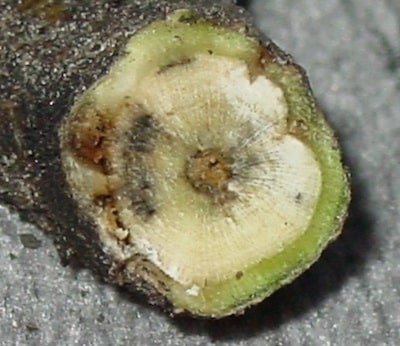
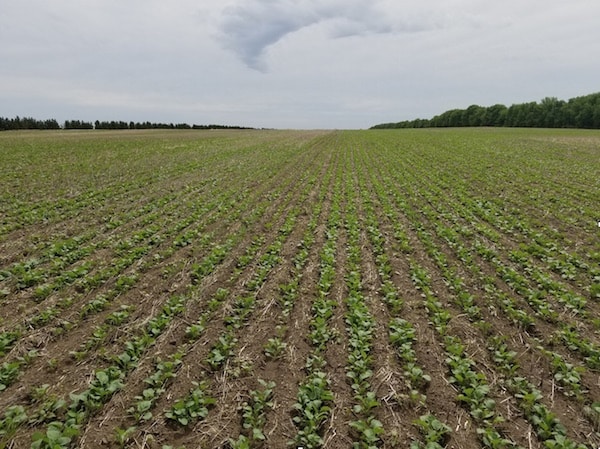
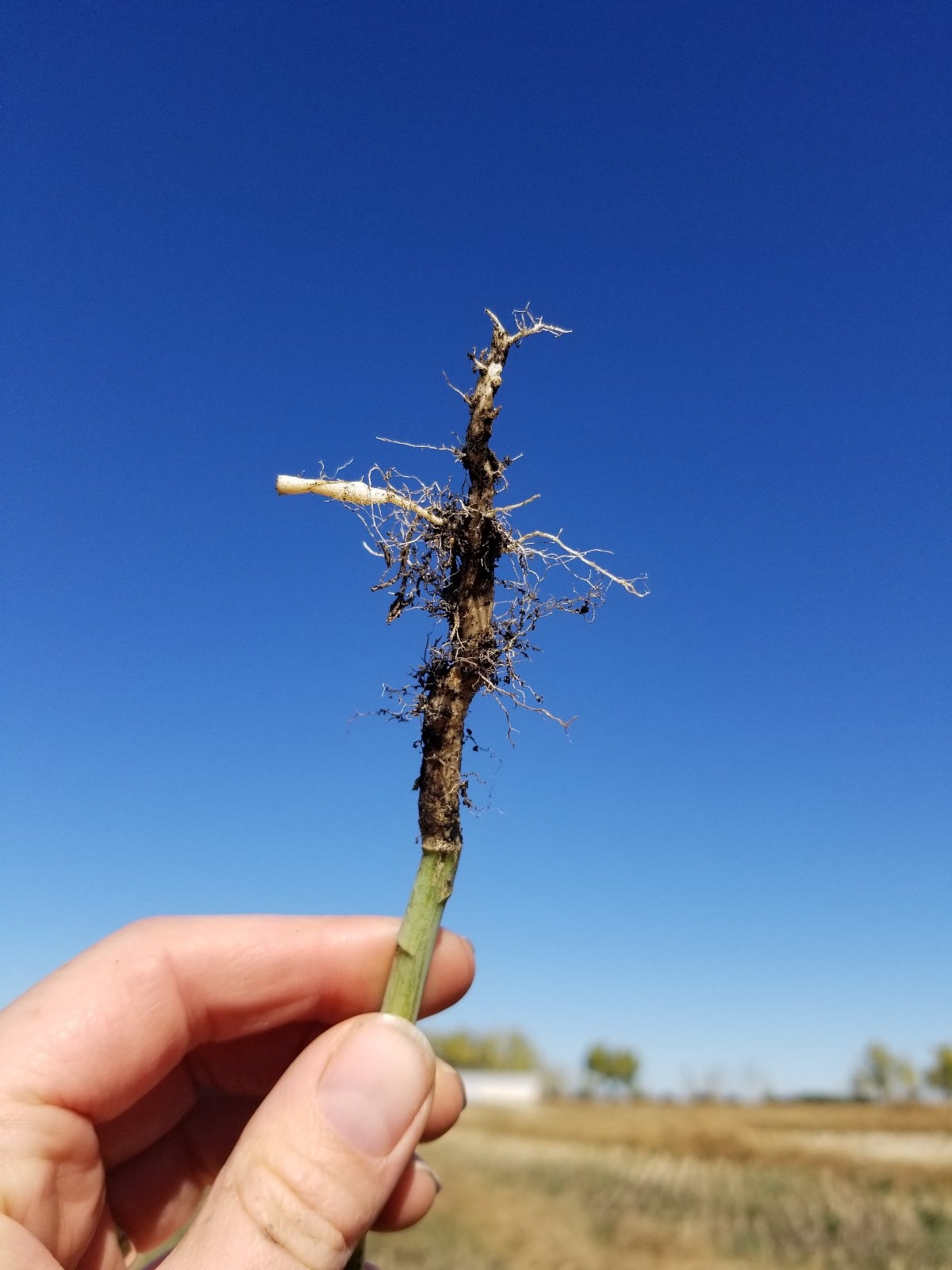
March 1, 2019 The risks from high canola frequencyScientific research in Western Canada has identified three factors that increase the risk of canola yield loss in short rotations. They are blackleg, clubroot
March 1, 2019 20 agronomy tips to improve sustainabilityEconomic and environmental sustainability often go together. Here are 20 tips from the Canola Digest Science Edition 2018 that can help a farm increase
March 1, 2019 Fertilizer planning: Seed-placed rates, logistics, in-crop applicationsWhat fertilizer to put in the seed row? How much fertilizer does canola need? What are your logistical challenges to following the 4Rs?
March 1, 2019 Soil health: Indicators and improvementsThe following article is based on this Canola Watch podcast with University of Manitoba soil scientist David Lobb.
March 1, 2019 Help with research on habitat and crop productivityManitoba and Saskatchewan research projects are looking for farmers to help explore how habitat increases crop productivity
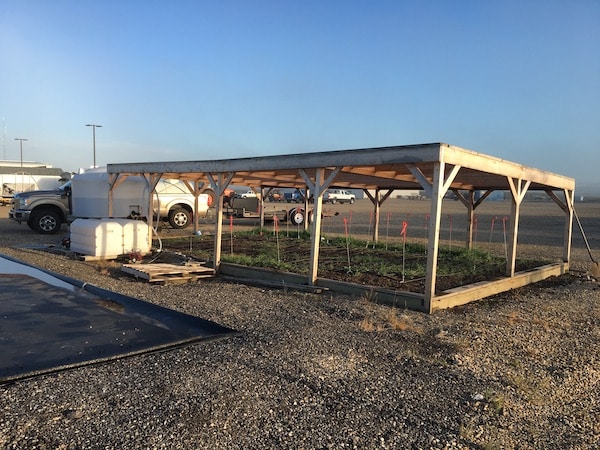
March 1, 2019 Biobeds: What are they and why build them?A pesticide rinsate biobed can prevent the environmental contamination of surface and groundwater by pesticides. Instead of being disposed of directly on land, at
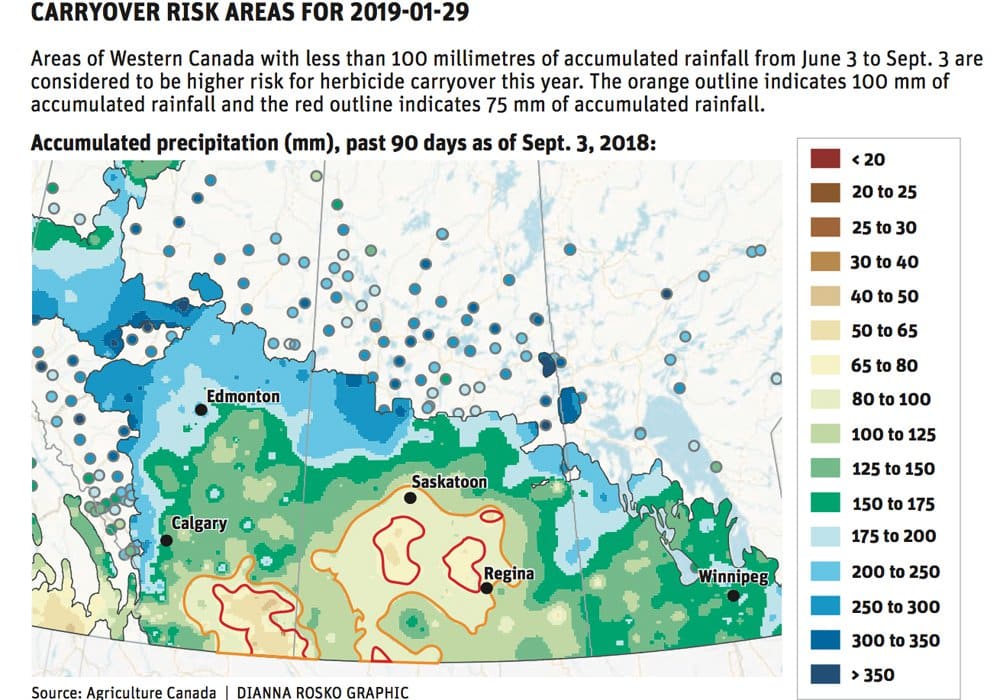
February 8, 2019 Dry conditions elevate herbicide carryover riskResidual herbicides need a moist environment for herbicide breakdown to occur within the expected time-frame. In dry conditions, the two major breakdown methods –
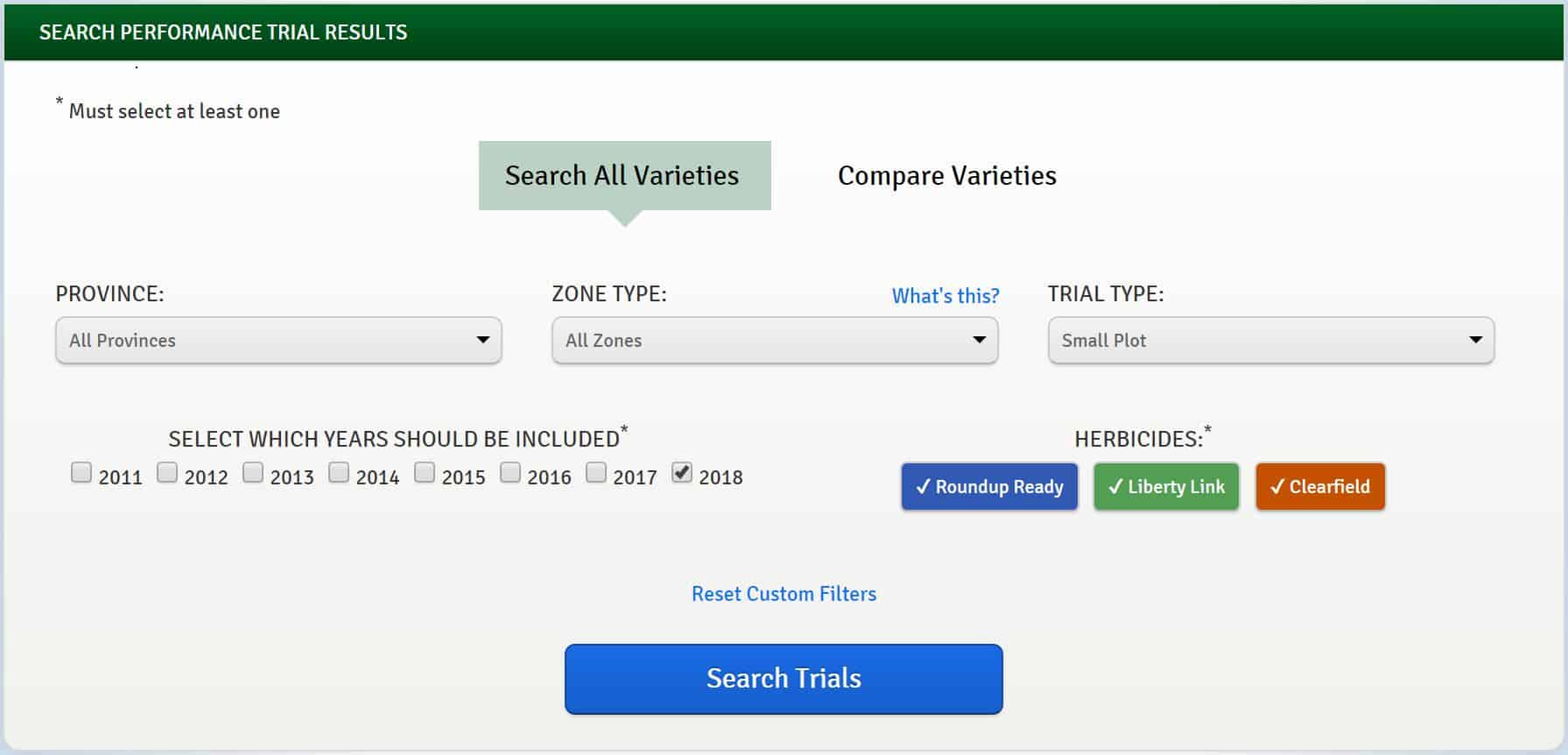
February 8, 2019 CPT data added to online toolCanola variety results from the 2018 Canola Performance Trials (CPTs) have been added into the searchable database on the CPT website, so all your
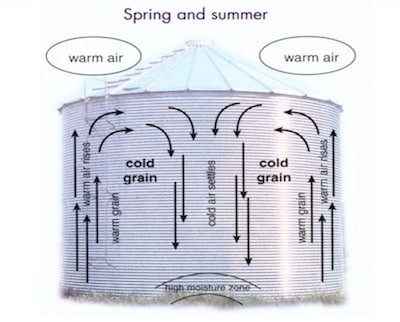
February 8, 2019 Changing weather means moisture movement in binsAs temperatures shift from frigid to mild, warming of grain at the outside edges of bins will trigger new movement of moisture throughout the
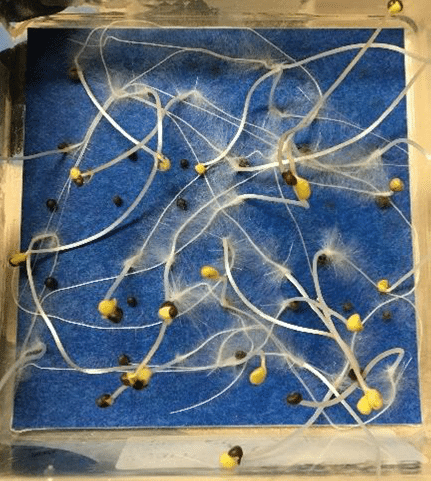
February 8, 2019 What is seed dormancy and why does it matter?Dormancy happens when a canola seed experiences unfavourable germination conditions and ‘decides’ not to invest in germination until a later date. This is the
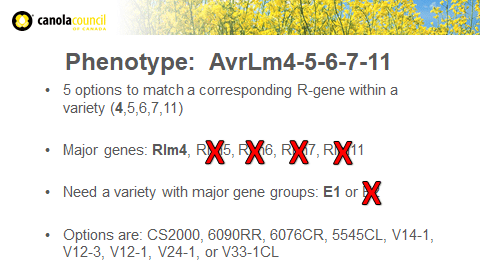
February 8, 2019 Interpreting blackleg race ID test resultsStep 1. Sample Collection The ideal time to pull and assess plants for blackleg infection is at 60% seed colour change, which is around
February 8, 2019 Clubroot management: Don’t wait until you see dead patchesHealthy-looking plants can still have galls that release millions, possibly billions of spores.