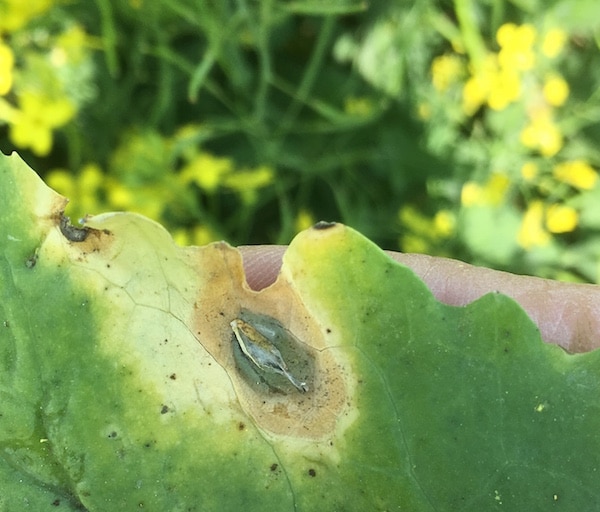
July 19, 2017 Sclerotinia: Late-window spraysIf conditions are dry at early flower and then it rains at 40% to 50% flower, spraying at the end of the window may
July 19, 2017 Sclerotinia petal testSmall amounts of spores can lead to yield-robbing levels of sclerotinia in continued moist conditions. A petal test to confirm the presence of sclerotinia
July 19, 2017 Grasshoppers thrive in hot, dry conditionsGrasshoppers can thrive in hot weather. The nominal threshold for grasshoppers in canola is 7-12 per square meter, with the low end more appropriate
July 19, 2017 Hail at flowering. Will the crop recover?In light hail, canola can sometime over-compensate and produce even higher yield. In serious hail situations where entire flowering branches are knocked off, plants
July 19, 2017 See dying patches? Could be clubrootCheck patches of prematurely ripening canola for signs up disease. Dig up roots to check for clubroot galls. Early infection at the seedling stage
July 12, 2017 Sclerotinia stem rot and hot weatherHot weather during flowering can increase flower and pod abortion and reduce overall yield potential. Return on investment from a fungicide applications is more
July 12, 2017 Diamondback moth: Thresholds and scouting tipsThresholds for diamondback moth larvae are 100-150 larvae per square meter in immature to flowering plants and 200-300 larvae per square meter in plants
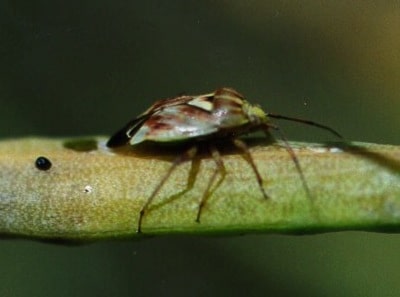
July 12, 2017 Lygus bugs: Thresholds and scouting tipsIn very dry conditions: If canola is $12 per bushel and spray costs $8 per acre, the threshold at the early pod stage is
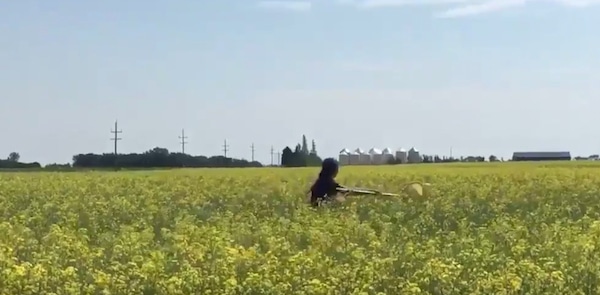
July 12, 2017 Proper sweep net techniqueThresholds for lygus bugs and cabbage seedpod weevil are based on a specific sweep net technique. If you’re not doing a complete 180° pattern,
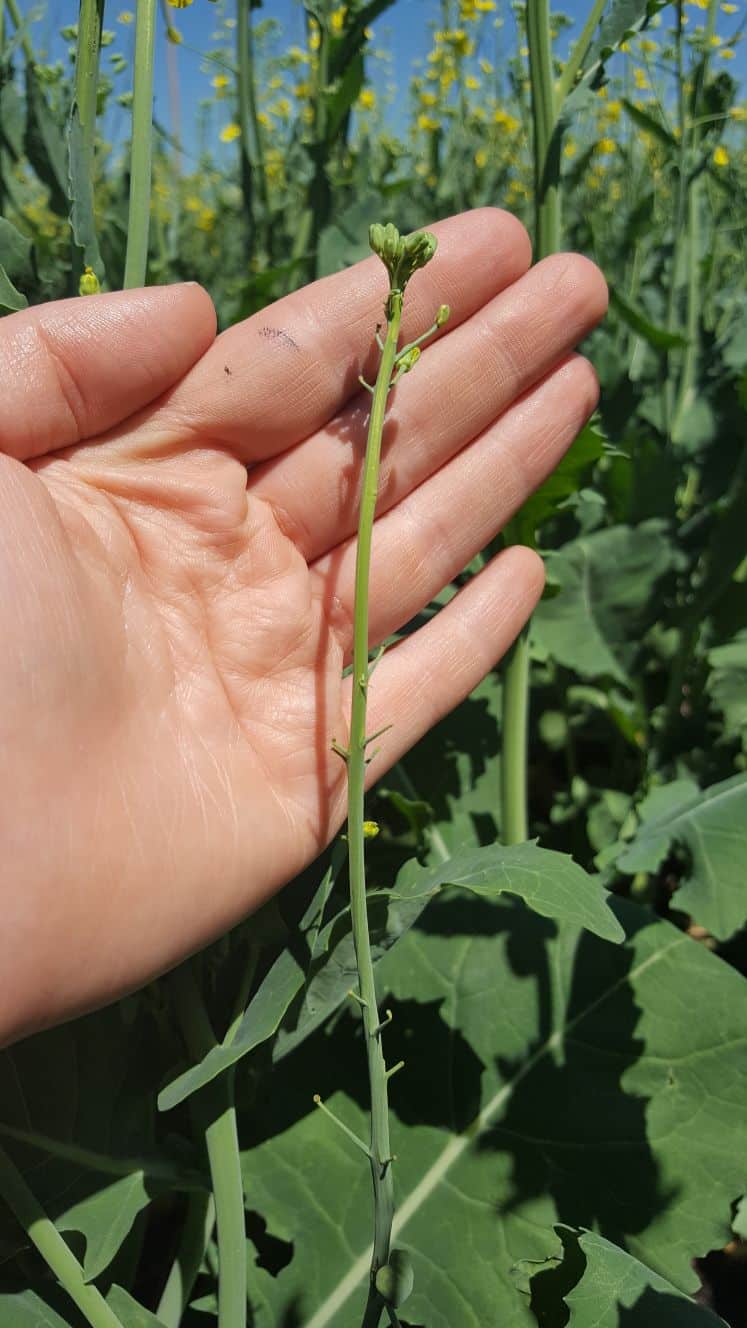
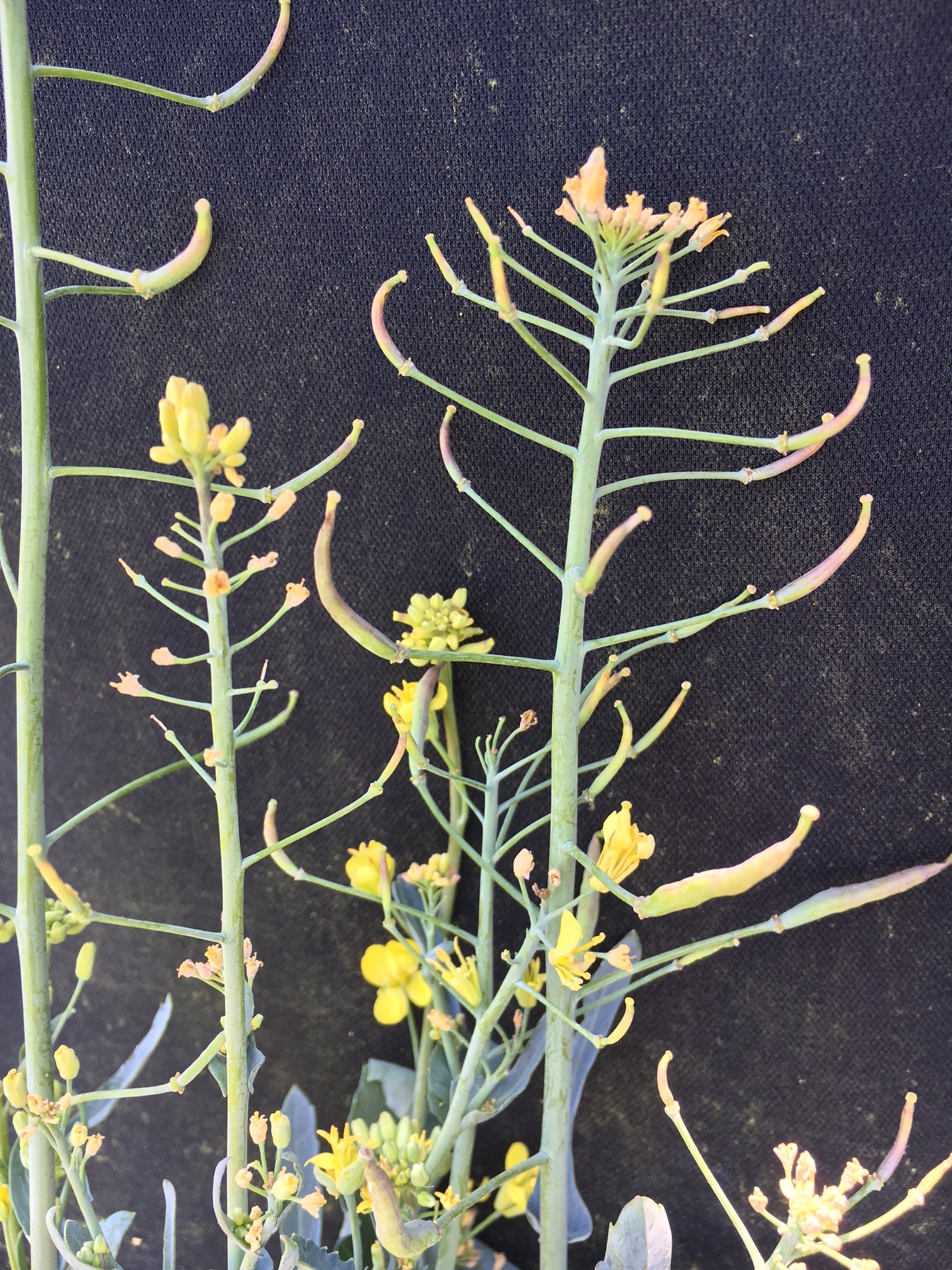
July 12, 2017 Heat, drought and other reasons for missing podsAs canola starts to move from flowering and into pod formation, growers will often notice blanks up the raceme where pods did not form.
July 12, 2017 Sad- or odd-looking buds, flowers and podsWhile scouting for flower staging, canopy moisture and pod-feeding insects, also take a look for deformed buds and growing points, small pale flowers and