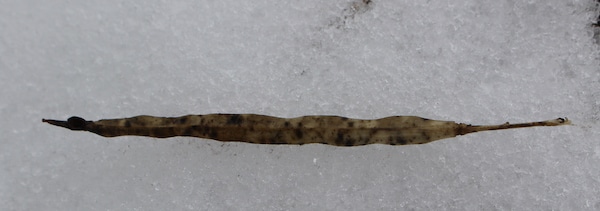
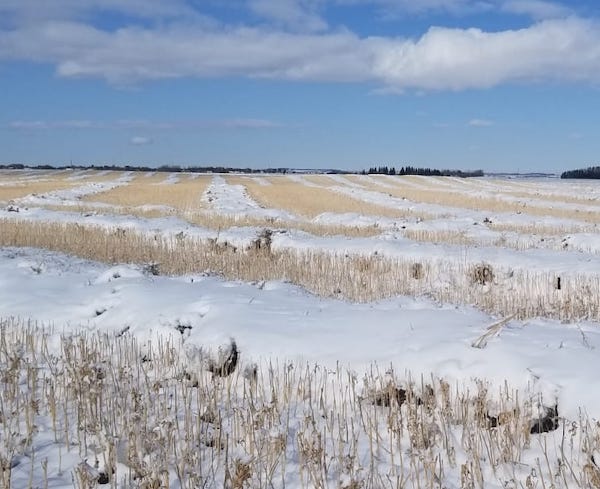
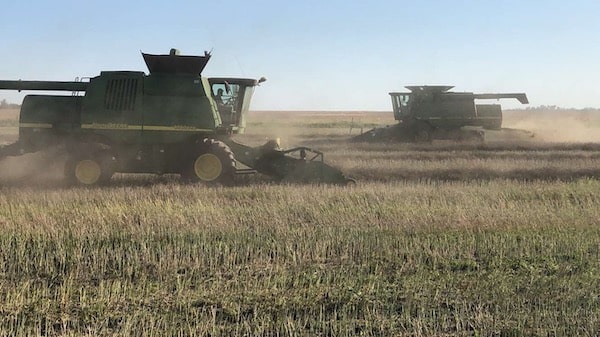
October 30, 2019 Canola quality with winter or spring harvestCombining canola after the ground has frozen can work fairly well, especially for standing crop. In fact, when putting ice and snow covered canola
October 2, 2019 Quality of canola with wet harvest delaysCanola is generally better than other crops for holding its quality with harvest delays due to moisture. But damage can occur. Here are some
October 2, 2019 Snow on canola: What to do?Snow on swathed canola will delay harvest, just like a rain would. In October, when it can be assumed that a return to more
September 24, 2019 Timely harvest tipsTips on… Swathing before a frost, What to do when frost hits standing crop, Cool weather and the performance of pre-harvest aids, Frost and
September 18, 2019 Best time for… Tips for various harvest-time scenariosBest time for… perennial weed spraying, disease surveys, swathing, straight combining and pre-harvest glyphosate/Reglone/Heat LQ,
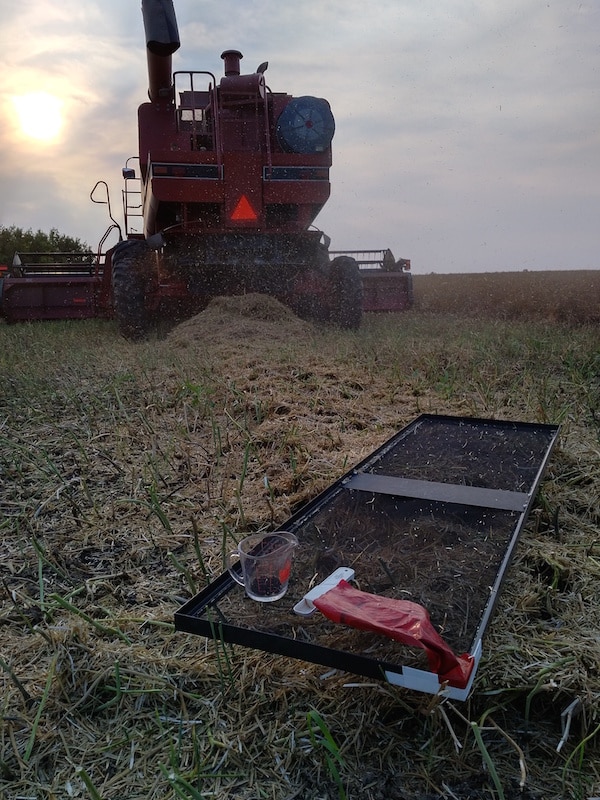
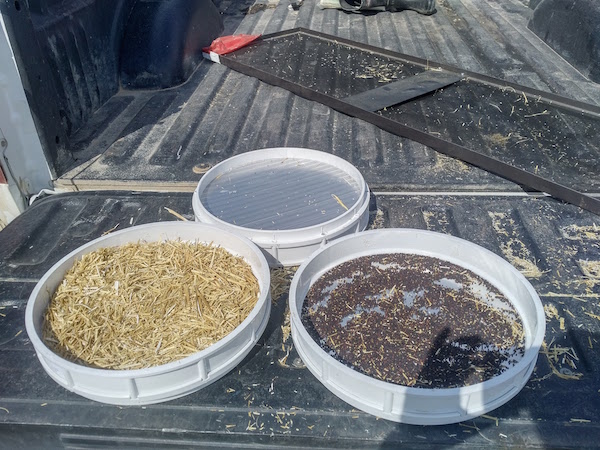
September 18, 2019 How to reduce combine lossesCanola producers can lose up to five bushels per acre – perhaps even more – if the combine isn’t adjusted properly. Here are tips
September 18, 2019 Residue management: The combine can influence stand establishmentGive your future seedbed a good start by managing residue this fall. Here’s how… Combine adjustments. Let the combine do the work to provide
September 18, 2019 Rain delays harvest. What to do?Harvest delays due to soggy soils, frequent rains and even mist have canola growers wondering about risk to the crop and what, if anything,
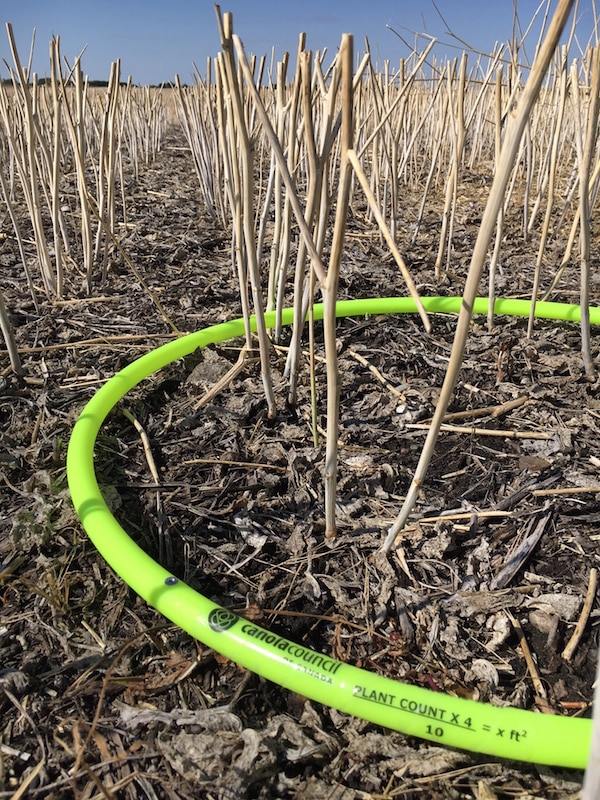
September 11, 2019 Why count canola stems in the fall?While doing harvest disease scouting, why not do a plant count at the same time? Compare final plant populations for each canola crops to
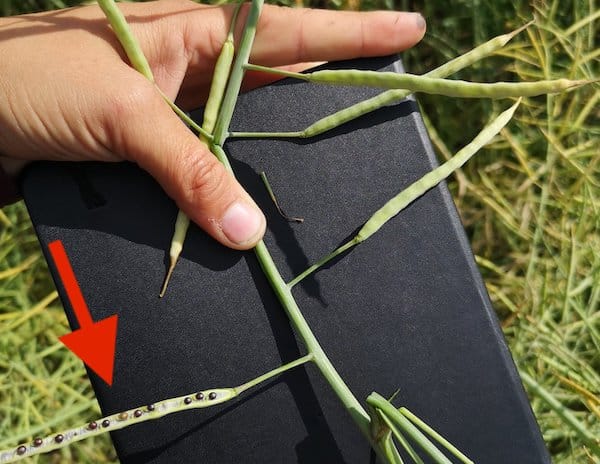
September 5, 2019 Swathing early: EconomicsCanola fields swathed at 60% seed colour change (SCC) on the main stem can yield 8% more than fields swathed at 30% SCC. Run
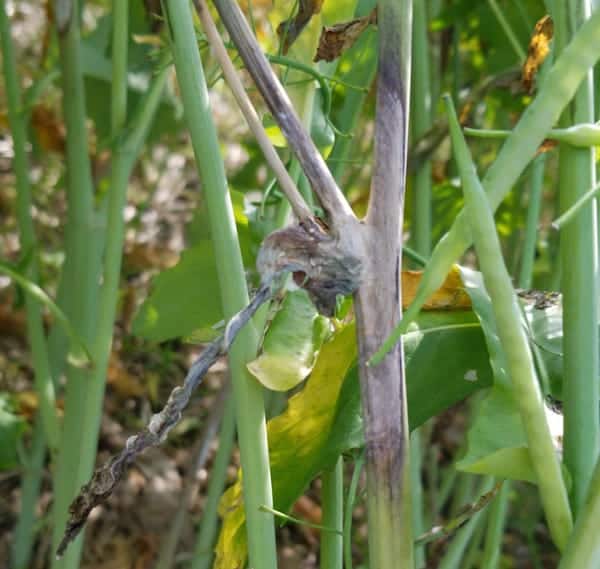
September 5, 2019 Disease ID tips for pre-harvest scoutingClear patches of canola plants that are yellowing prematurely could be diseased. These are obvious places to start a pre-harvest disease survey. Clubroot continues