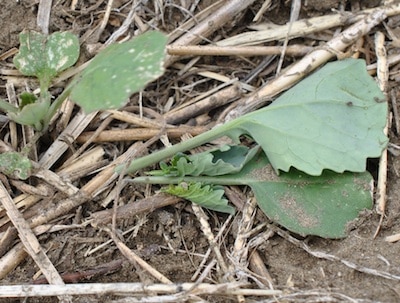
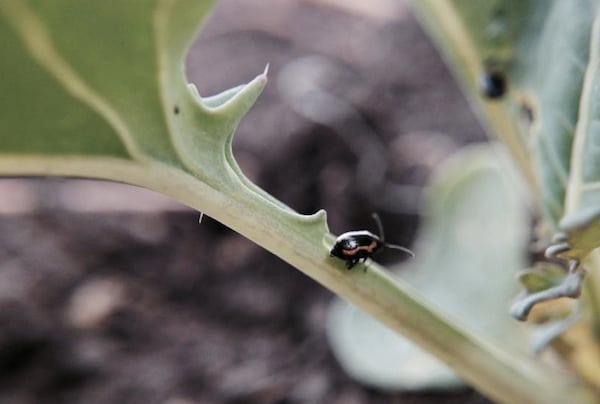
May 24, 2018 Canola Watch quiz – CutwormTest your cutworm knowledge with these four questions, including a “dry soils” angle.
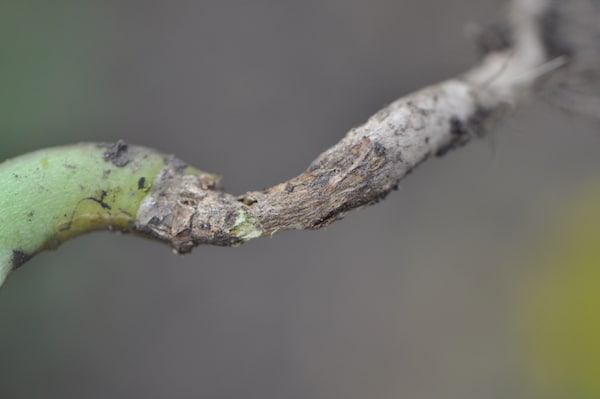
July 6, 2017 Blackleg, foot rot or cutworms?These can be hard to tell apart sometimes. Pinched or otherwise damaged-looking stems can occur with all three. The photo shows blackleg infection. Here’s
May 31, 2017 Canola Watch quiz: CutwormsTest your cutworm knowledge. Answers to these five questions are found in the new guide, “Cutworm Pests of Crops in Western Canada” from Agriculture
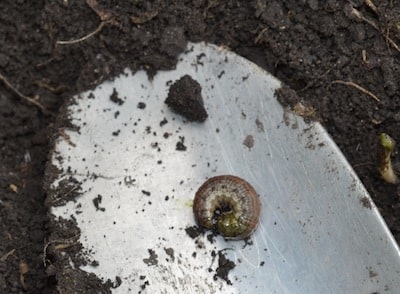
May 31, 2017 Timely cutworm scouting and spray decisionsWhy scout? Reason one: To confirm that cutworms are the cause. For example, fungal seedling diseases can cause seed and seedling decay that can
May 17, 2017 Insects: Cutworms in some fieldsCutworms have been observed in some regions, including the southeast Peace region and west-central Saskatchewan stretching into Alberta. In western Saskatchewan, early observations suggest
May 3, 2017 Insects: Cutworm guide, DBM monitoringAAFC has published a new cutworm guide, available as a free download, with descriptions of all pest cutworms in Canada as well as helpful
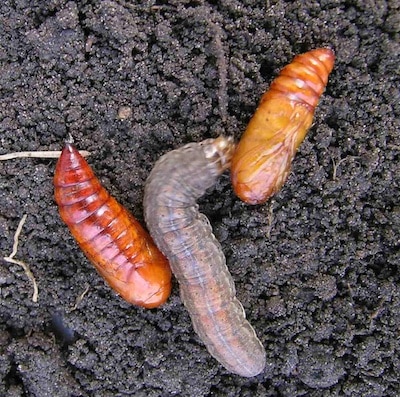
June 15, 2016 Cutworms: Reseeding and the risk periodUsually by the end of June, most of the cutworms that overwintered as eggs or partly grown larvae (including redbacked, as shown in this
June 1, 2016 Cutworms: The basicsHigher than normal cutworm feeding has been reported in some locations. This could be due to various factors, including the long fall, early spring
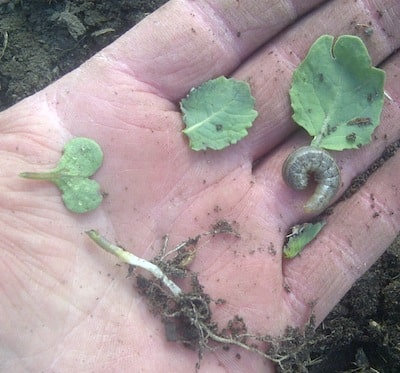
May 26, 2016 Damage ID: Cutworms or seedling diseases?Cutworms and seedling diseases are fairly common causes for toppled or missing plants this time of year. Here are a few tips to help
June 10, 2015 June 10 Quiz — CutwormsHow well can you identify the most common cutworm species found in Canadian canola crops?
June 10, 2015 Insect update: Cutworms, flea beetles, aster leafhoppersFlea beetles remain the single biggest insect threat this week, although pressure seems to be waning. Cutworm losses have been reported in a few
June 10, 2015 Hot weather can reduce insecticide performanceUnder hot conditions the metabolism of (some) target insects is significantly faster. Control of the pest is more complete when the metabolism of the