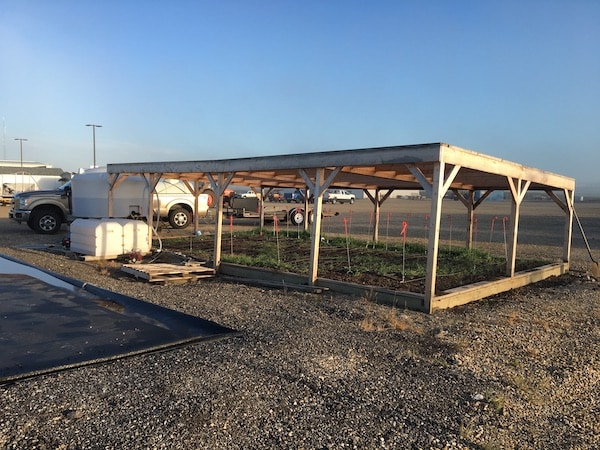
March 1, 2019 Biobeds: What are they and why build them?A pesticide rinsate biobed can prevent the environmental contamination of surface and groundwater by pesticides. Instead of being disposed of directly on land, at
February 8, 2019 Take part in crowd-sourced insect reportingThink how on the ball we could be with insect management if everyone shared their scouting results? We could see hot spots flare up
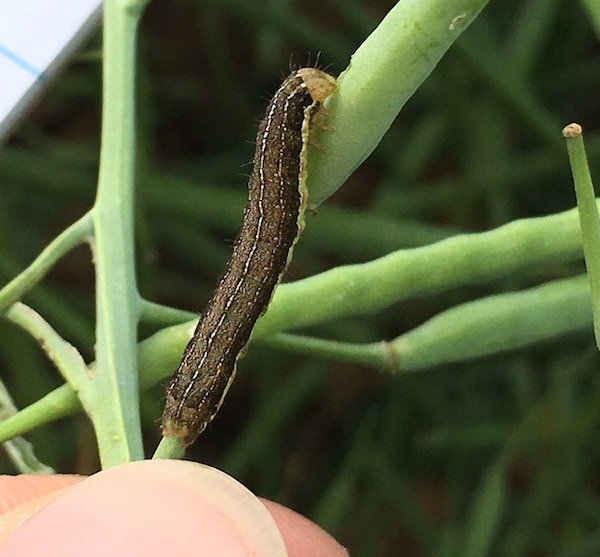
August 22, 2018 Late-season insects and pre-harvest intervalsWe had reports this week of bertha armyworm at higher numbers (maybe not at thresholds) in some very localized areas, lygus (it’s getting late),
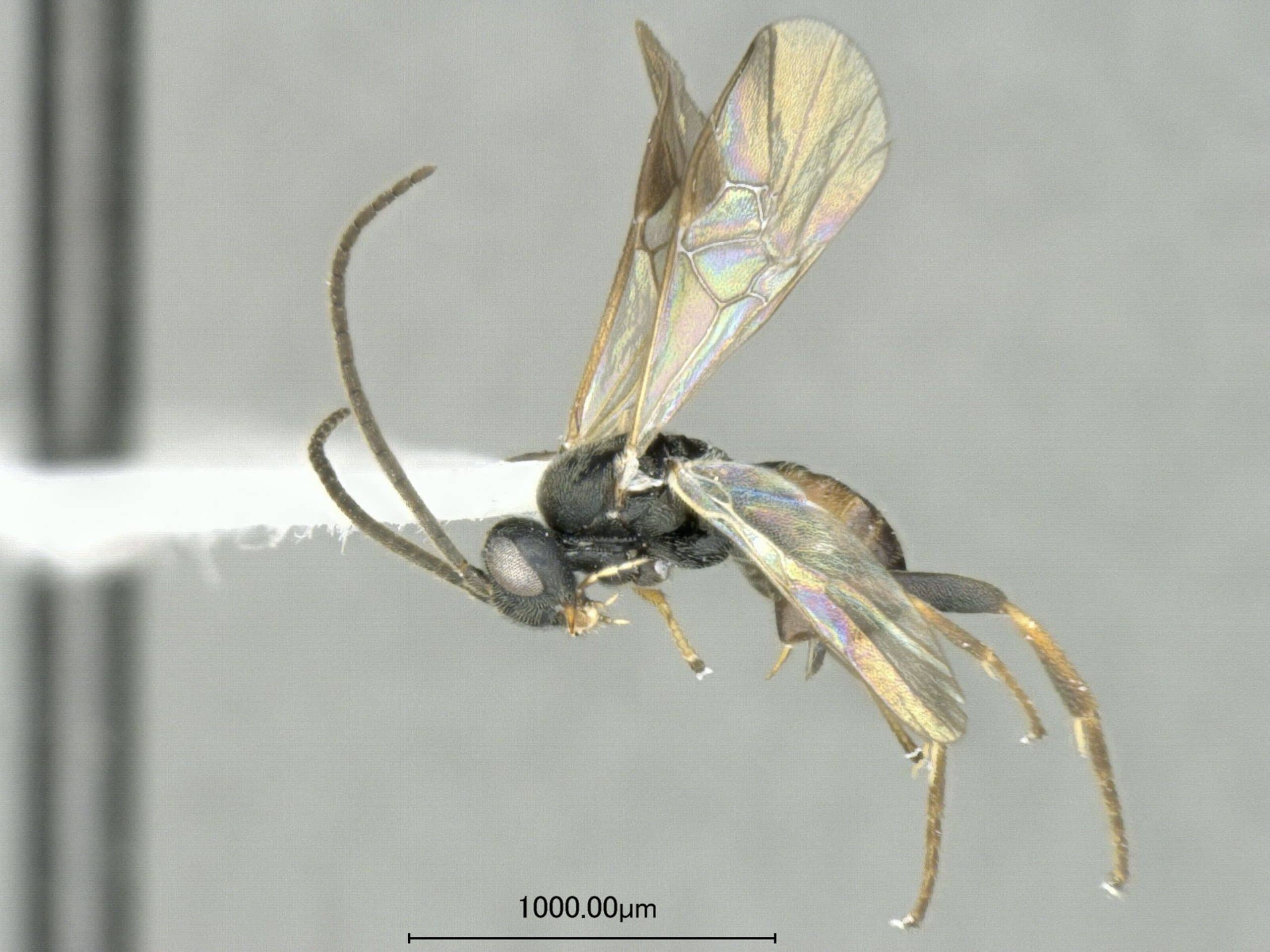
July 11, 2018 Diamondback moth parasitoid in high numbersEntomologists were excited to find a known diamondback moth parasitoid, the 2mm-long Diolcogaster claritibia wasp, at very high numbers in Alberta canola fields over
June 6, 2018 Photography tips for agronomyPhotographs can be a valuable diagnostic tool, but they have to be in focus, taken from various angles and come with details on field
May 30, 2018 Tank mixes of herbicides and insecticides or fungicidesCombining pest control operations to save trips over the field may seem like good economic sense, but consider the following when making this decision:
May 30, 2018 What’s the Buff? Don’t spray sensitive areasBuffer zones or strips come in all shapes and sizes, and are designed to protect sensitive areas. Sensitive areas include permanent vegetation to maintain
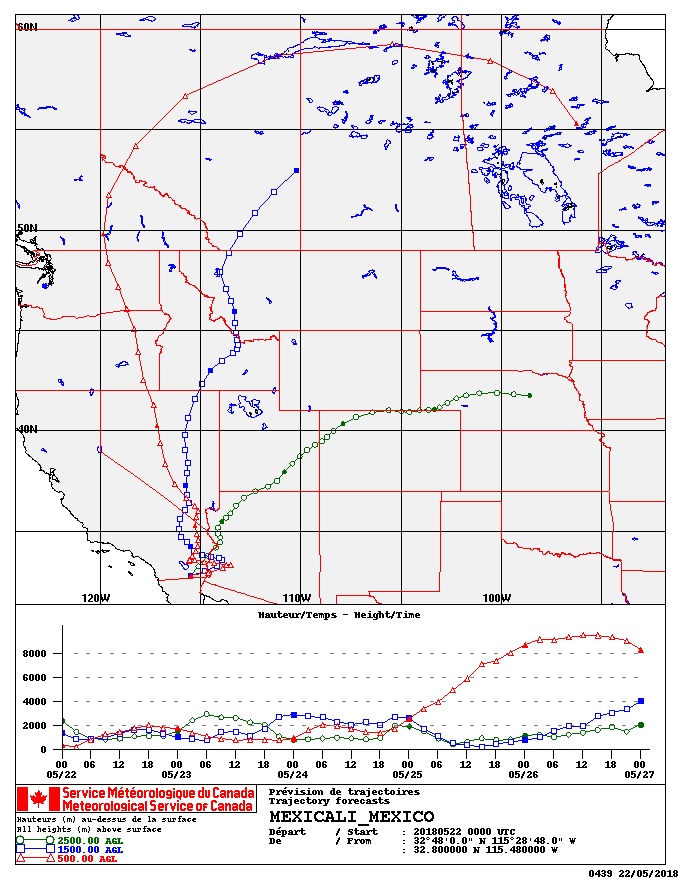
May 24, 2018 Map of the Week – wind trajectoriesOf particular interest are those trajectories that, prior to their arrival in Canada, originated over northwestern and southern USA and Mexico – anywhere diamondback
April 4, 2018 Help with insect surveys for 2018Alberta, Saskatchewan and Manitoba will be doing bertha armyworm and diamondback moth surveys again in 2018. To put up a trap and help with
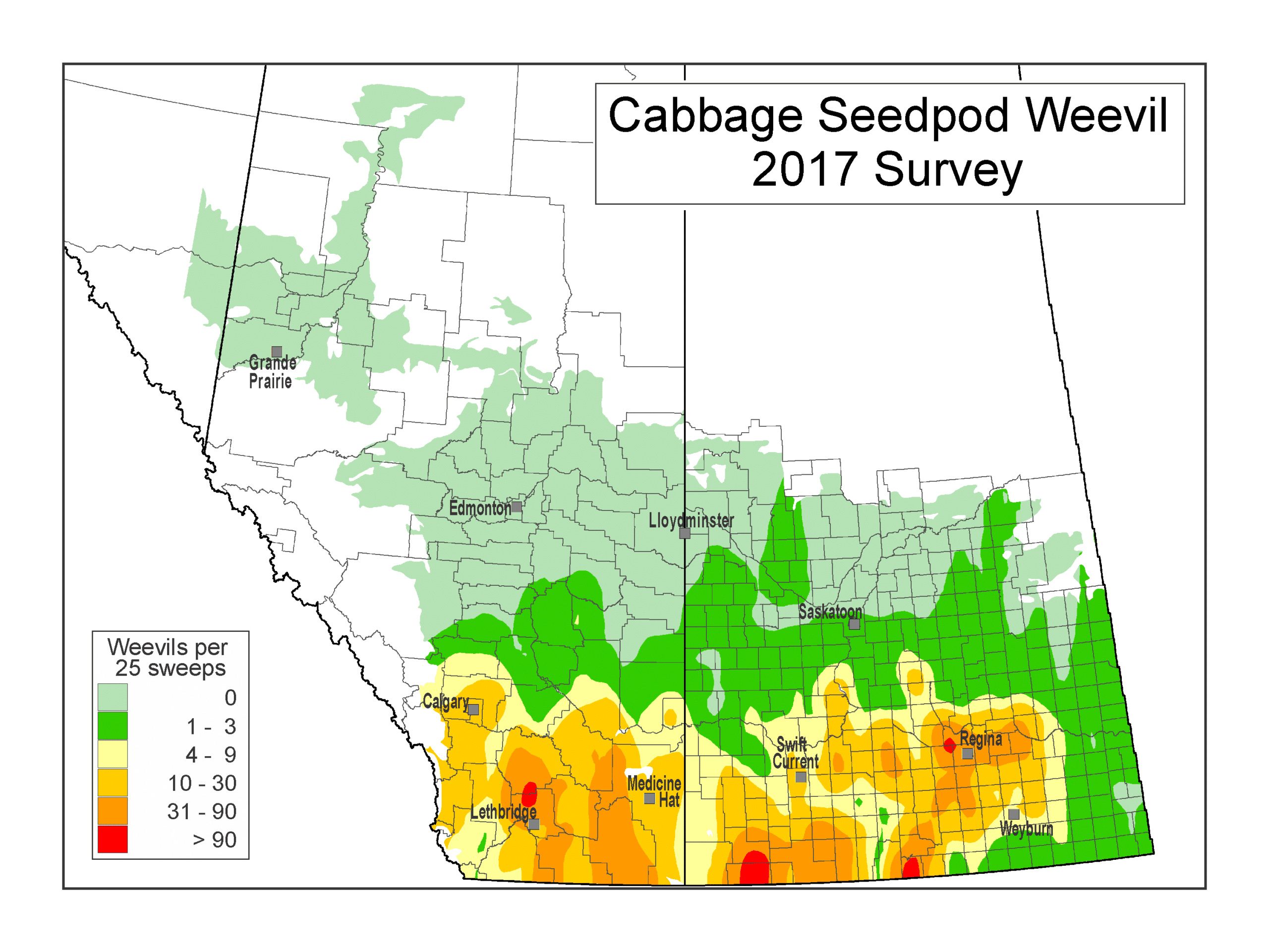
February 7, 2018 Insect distribution maps for 2017 and forecast maps for 2018Prairie Pest Monitoring Network (PPMN) regional maps for insect pests affecting canola are provided in this article.
January 17, 2018 Visit fieldheroes.ca to learn more about beneficialsThe Field Heroes website shows how natural enemies can help manage insect pest populations. Scouting is still necessary because beneficial insects do not always
November 8, 2017 Seed treatment upgrades diversify insect protectionWith each canola seed decision, growers face this question: Would a seed treatment upgrade to improve management of flea beetles and cutworms provide a