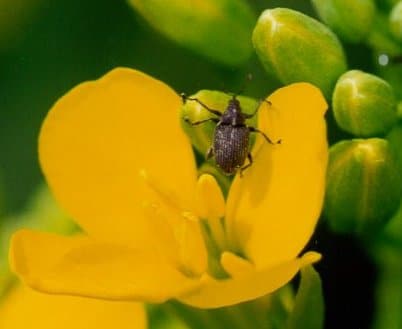
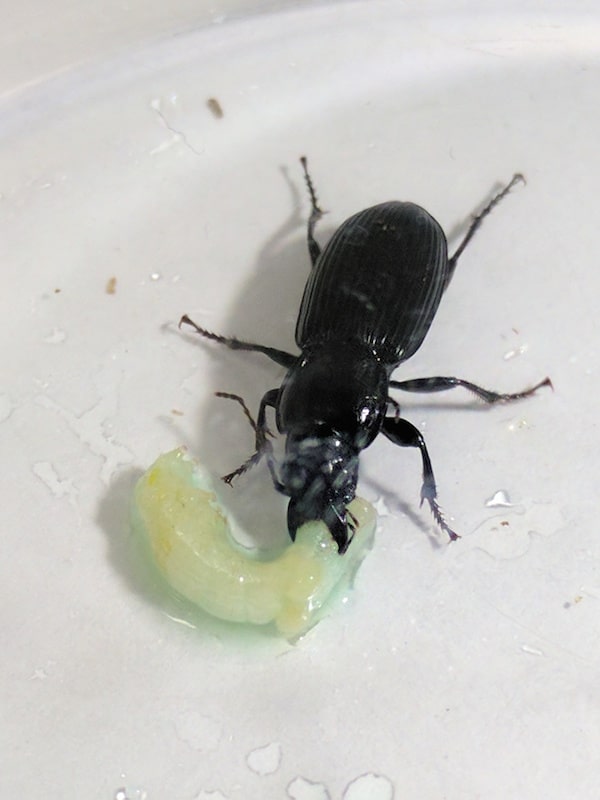
June 22, 2017 Cabbage seedpod weevil: Scouting and spray timingCabbage seedpod weevils move to canola fields at the bud to early-flower stages. While they will feed on buds and destroy some of them,
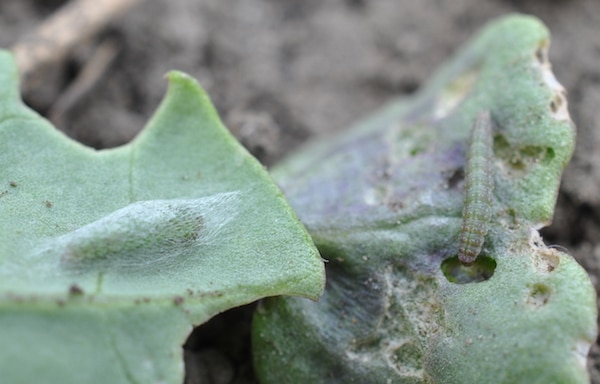
June 14, 2017 Insects: Diamondback moth, cutworms, flea beetle and moreSome fields are thinned by cutworm, diamondback moth larvae are at work but control is not usually required at this crop stage and swede
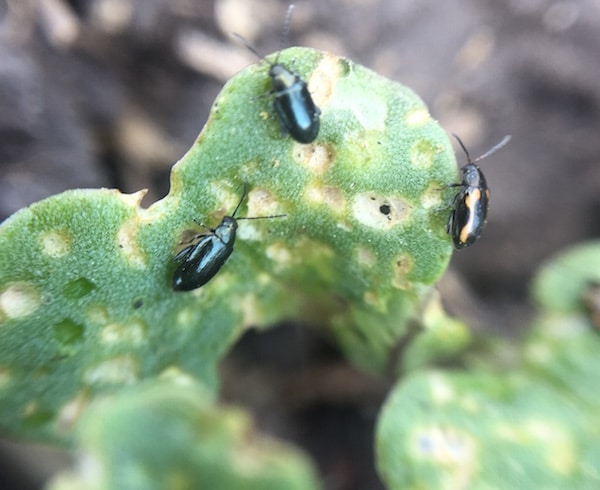
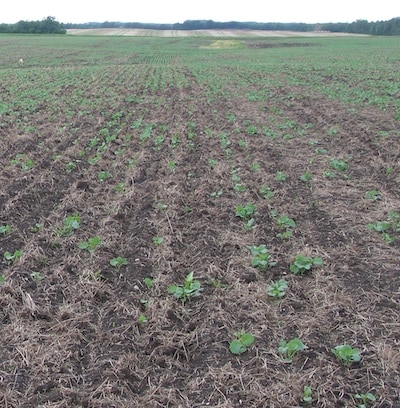
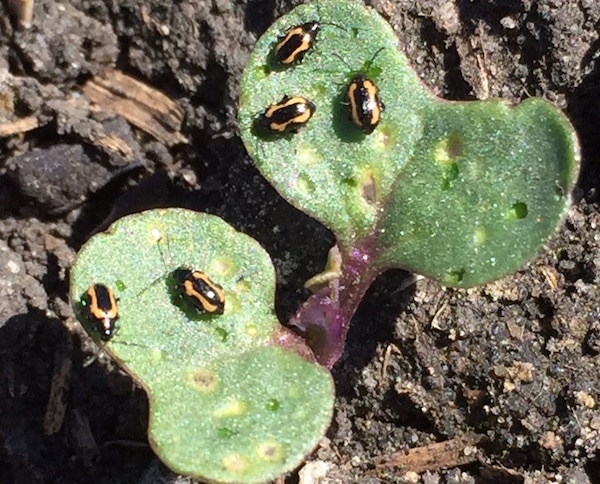
June 7, 2017 Flea beetles and stressed cropWith hot, dry conditions, canola seedlings already under pressure from intense flea beetle feeding dried out and died.
May 31, 2017 Canola Watch quiz: CutwormsTest your cutworm knowledge. Answers to these five questions are found in the new guide, “Cutworm Pests of Crops in Western Canada” from Agriculture
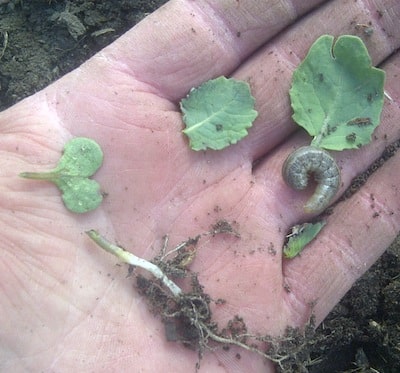
May 31, 2017 Timely cutworm scouting and spray decisionsWhy scout? Reason one: To confirm that cutworms are the cause. For example, fungal seedling diseases can cause seed and seedling decay that can
May 31, 2017 Flea beetles: Temperature influences activityCool, windy, wet weather can delay flea beetle emergence. Peak emergence of the crucifer flea beetle occurs when ground temperatures reach 15°C, which is
May 31, 2017 Are those flea beetles worth spraying?A few flea beetles in a field are not worth the time and investment to spray. They will not cause economic losses. Only when
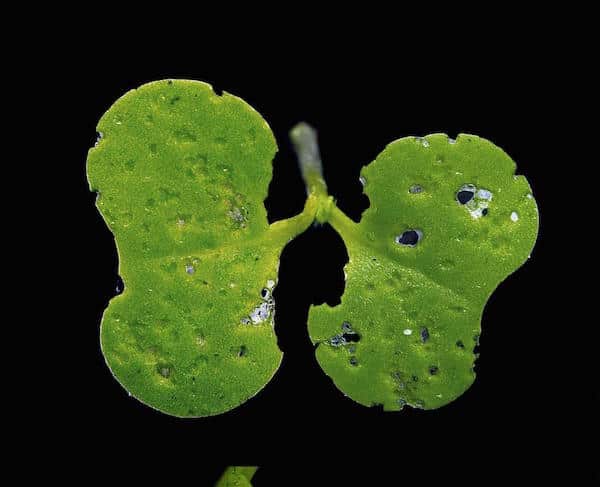
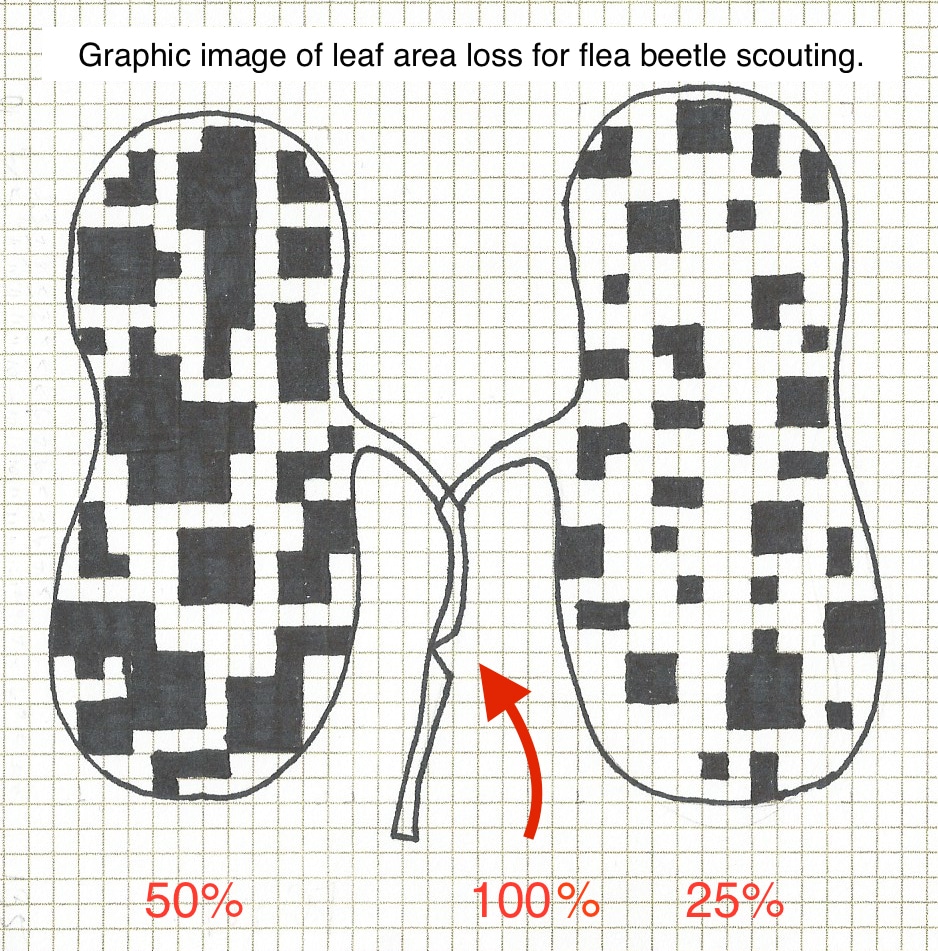
May 25, 2017 Flea beetle thresholdsThe economic thresholds – the point at which foliar insecticide provides an economic benefit – could be when damage reaches 50%, but leaf area
May 17, 2017 8 steps to make the right flea beetle spray decisionWhile only a small percentage of canola fields tend to require flea beetle management in addition to seed treatment, all fields should be monitored
May 17, 2017 Insects: Cutworms in some fieldsCutworms have been observed in some regions, including the southeast Peace region and west-central Saskatchewan stretching into Alberta. In western Saskatchewan, early observations suggest
May 17, 2017 Insects in spring-harvested canolaSome farmers harvesting crops this spring have noticed higher numbers of insects in their samples. These are primarily seed-eating carabid beetles and fungus-eating beetles