August 13, 2014 Damage IDTo identify a problem, start with careful scouting. Use this checklist and then move on to the Canola Diagnostic Tool.
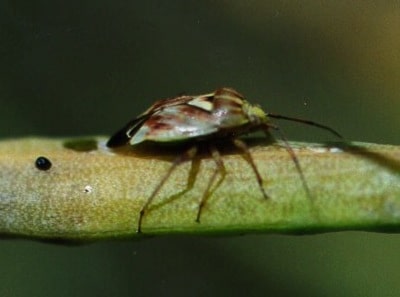
August 7, 2014 Insect update: Lygus, bertha, CSPWLygus hotspots: Lygus numbers are high in some regions, with reports of 70+ per 10 sweeps in some fields in central and northern Alberta.
July 30, 2014 Lygus thresholds — EconomicsThreshold tables for lygus suggest, for example, that if canola is $12 per bushel and spray costs $8 per acre, the threshold at the
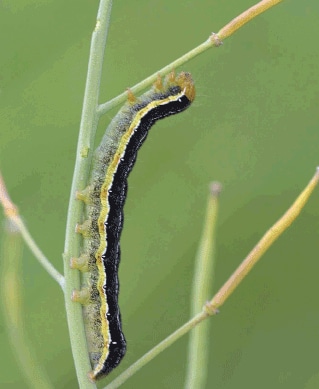
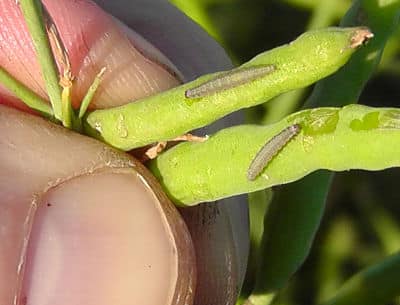
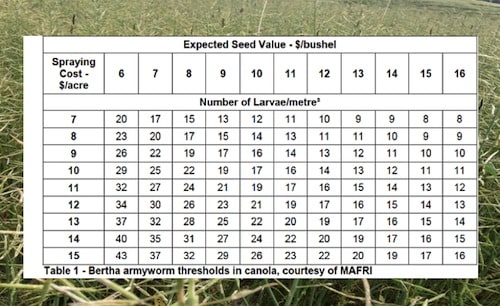
July 30, 2014 Bertha armyworm thresholdsBertha armyworm is one pest that can do a lot of damage in a short time. They’re large and eat a lot. Even within
July 30, 2014 Diamondback moth larvae — ThresholdsThresholds are 100-150 larvae per square metre in immature to flowering plants and 200-300 larvae per square metre (20-30 per square foot) in plants
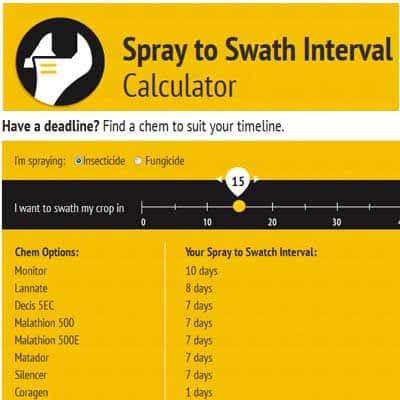
July 30, 2014 Leave required time between spraying and cuttingPre-harvest interval (PHI) refers to the amount of time that must lapse (in days) after a pesticide application before the crop is cut. Cutting
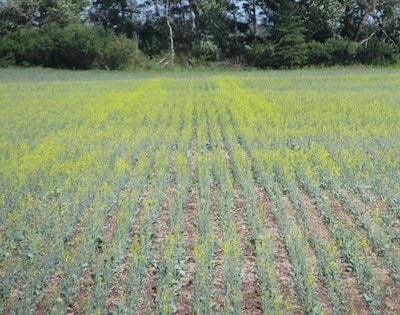
July 23, 2014 Tank hang ups and spraying mishapsWhen strange patterns of damage in canola fields line up perfectly with the sprayer boom width or follow typical drift patterns, phone calls and
July 16, 2014 Insect thresholds: Quick reviewWhile insects are not a major threat in most fields at this point in 2014, diamondback moth larvae are around, cabbage seedpod weevil are
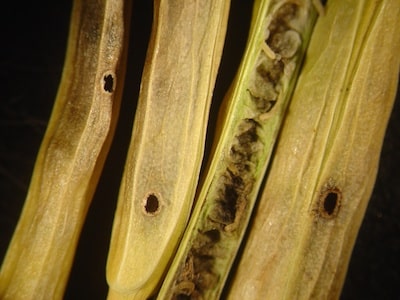
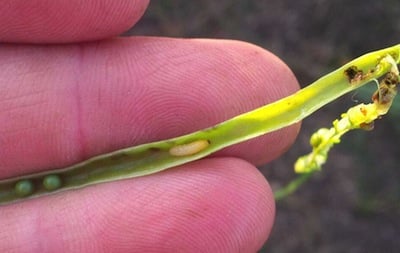
July 16, 2014 CSPW timing: When is it too late?The goal when spraying cabbage seedpod weevil (CSPW) is to stop adults from laying eggs in newly formed pods. CSPW don’t do their damage
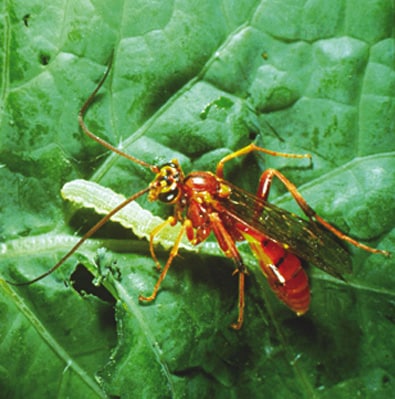
July 9, 2014 Insect update: Beneficials, CSPW, root maggotsBeneficials. Lygus, bertha armyworm and diamondback moth have a number of natural enemies that will keep populations in check. These beneficial insects may not
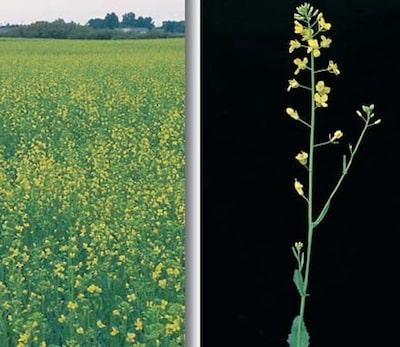
July 9, 2014 Top 10 things to scout for this week1. Flowering percentage to determine timing for fungicide. The photo above from NDSU shows canola at 20% flower, which is when the application window
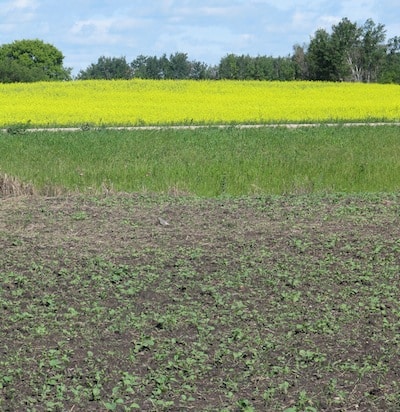
July 3, 2014 Manage each field for its own conditionsCanola crops side by side can have different risk factors, and often do not require the same crop management for nutrients, weeds, insects and