August 1, 2018 Late-season flea beetlesFlea beetles feeding on canola leaves and pods are unlikely to cause an economic loss. Numbers have to be very high – perhaps 100
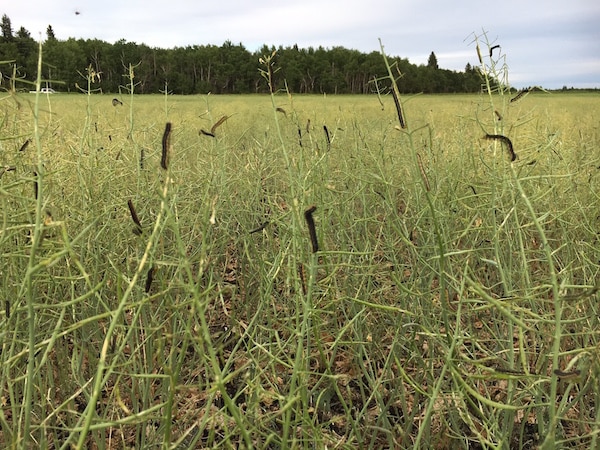
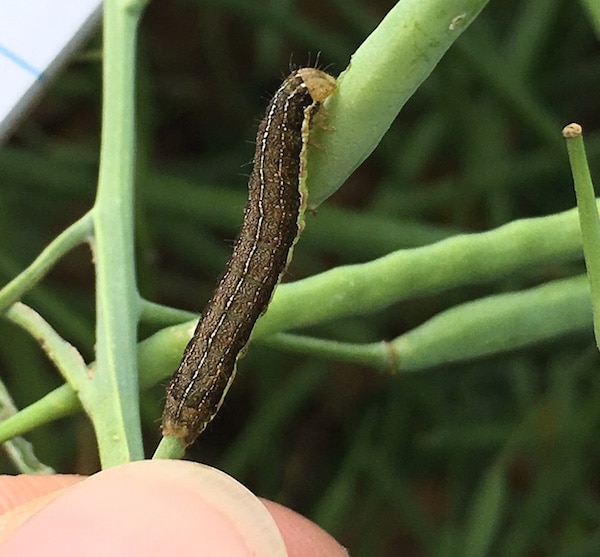
July 26, 2018 Three insects to look for on canola podsThe three most common pod munchers are bertha armyworm, diamondback moth larvae and lygus bugs. Hot spots can sometimes be isolated to specific fields,
July 26, 2018 Canola Watch quiz – Insect thresholdsScout for bertha armyworm, lygus bugs and diamondback moth larvae on pods, but only spray if insects counts are at or above economic thresholds.
July 26, 2018 Grasshopper: Thresholds and scouting tipsThe nominal threshold for canola is seven to 12 per square metre. This article provides tips on how to scout.
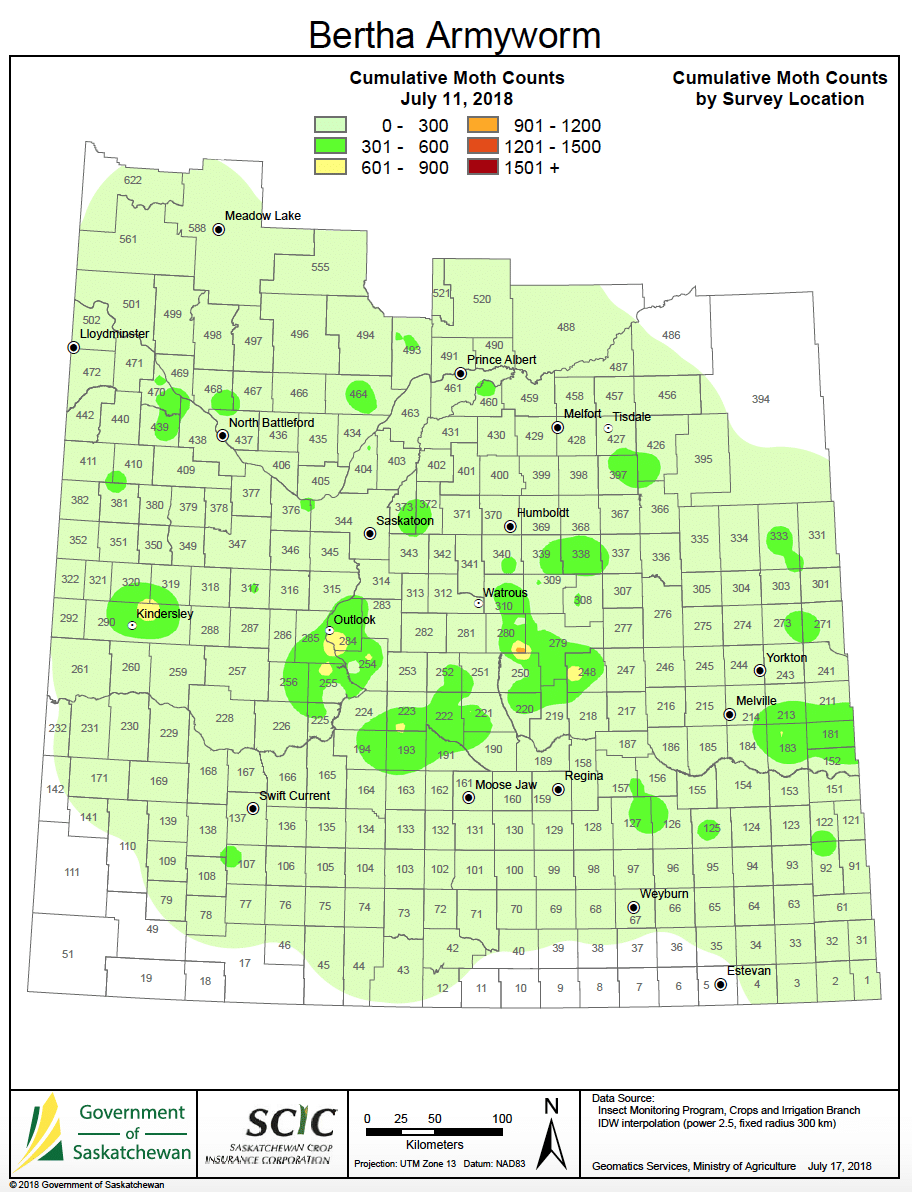
July 19, 2018 Map of the Week – Bertha armyworm countsA few hotspots with higher bertha armyworm moth counts are showing up in Alberta, Saskatchewan and Manitoba.
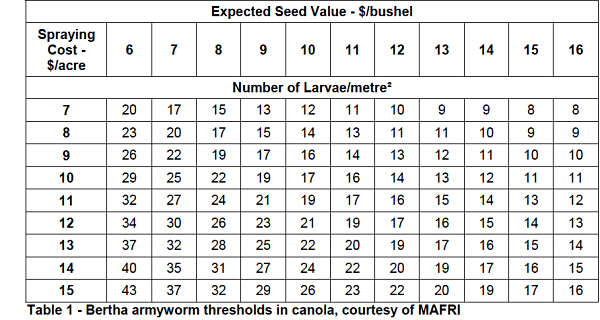
July 19, 2018 Bertha armyworm: ThresholdsThe economic threshold is the density of larvae where the economic value of the yield lost due to feeding equals the cost of control.
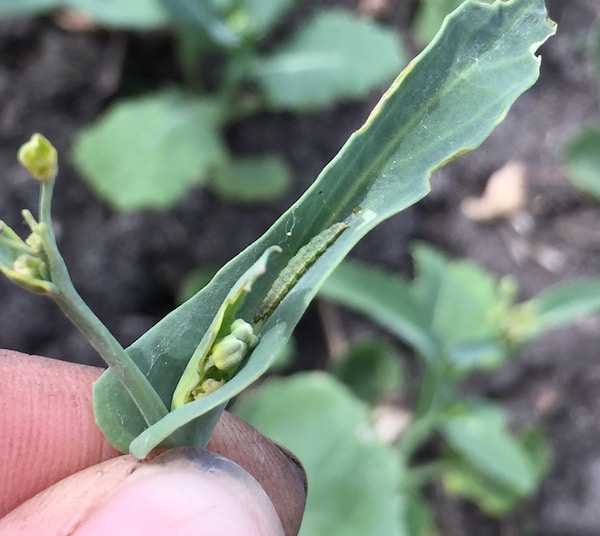
July 19, 2018 Diamondback moth larvae observedDiamondback moth larvae are at noticeable levels in many canola fields in the Eastern and southern Interlake areas of Manitoba. But levels are generally
July 11, 2018 Insect update: Bertha, diamondback and weevil countsInsect trap counts are generally low across the Prairies, but bertha counts keep rising. Here are the latest provincial survey results.
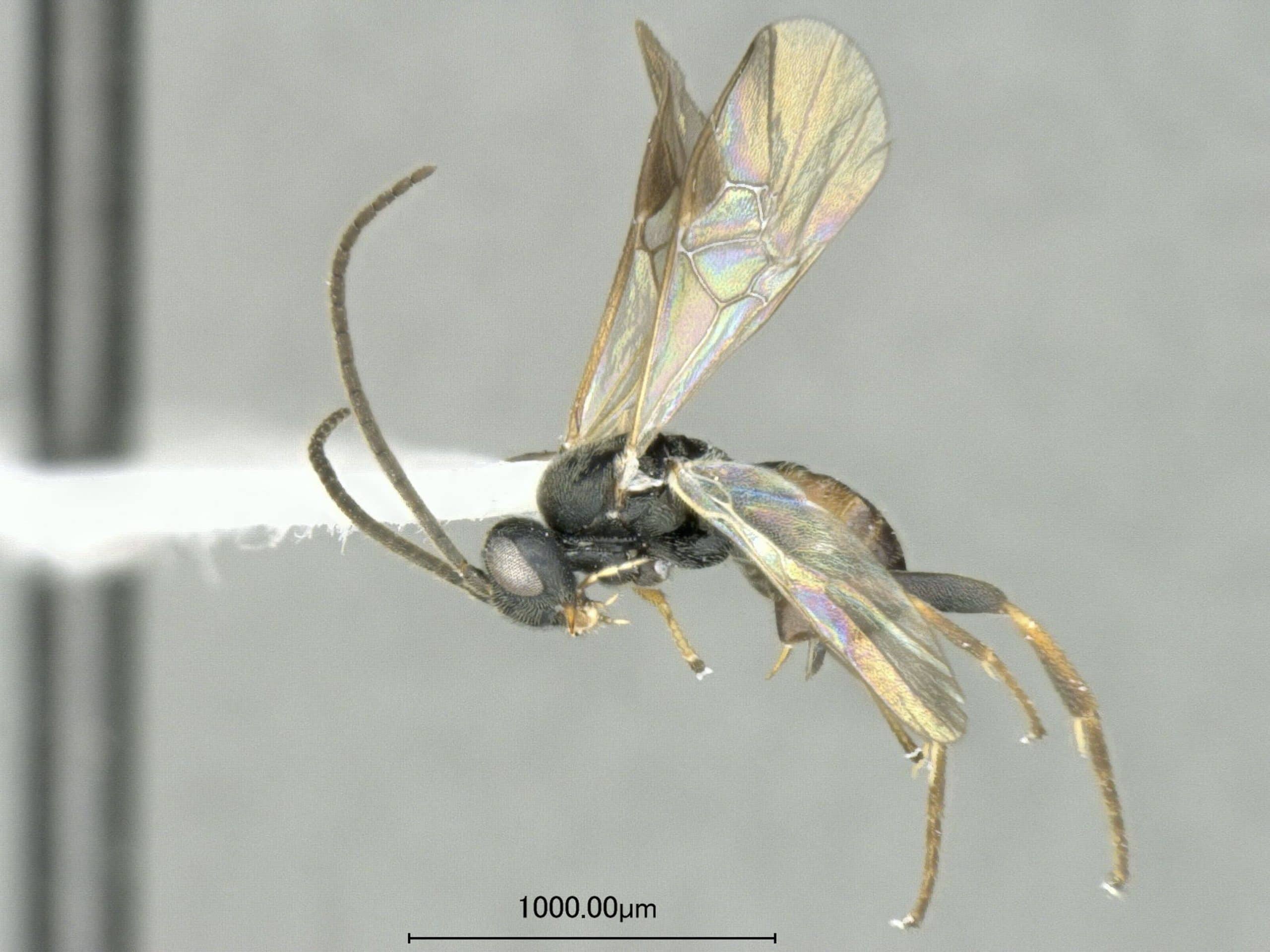
July 11, 2018 Diamondback moth parasitoid in high numbersEntomologists were excited to find a known diamondback moth parasitoid, the 2mm-long Diolcogaster claritibia wasp, at very high numbers in Alberta canola fields over
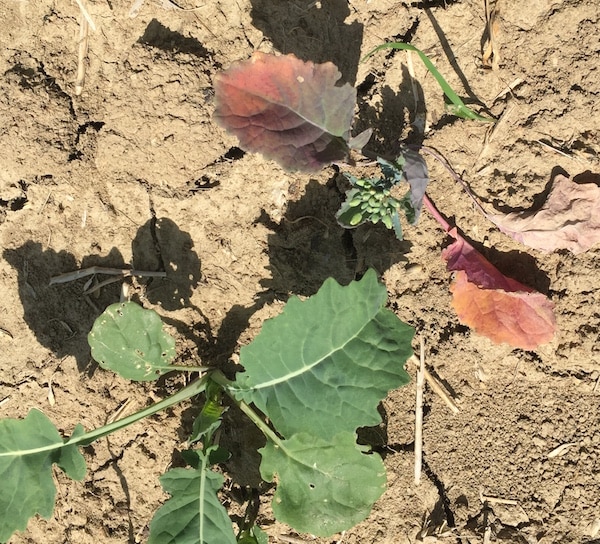
July 11, 2018 What’s going on with the roots?Take a random look at a few canola roots in each field to see what’s going on. Also dig up the root area for
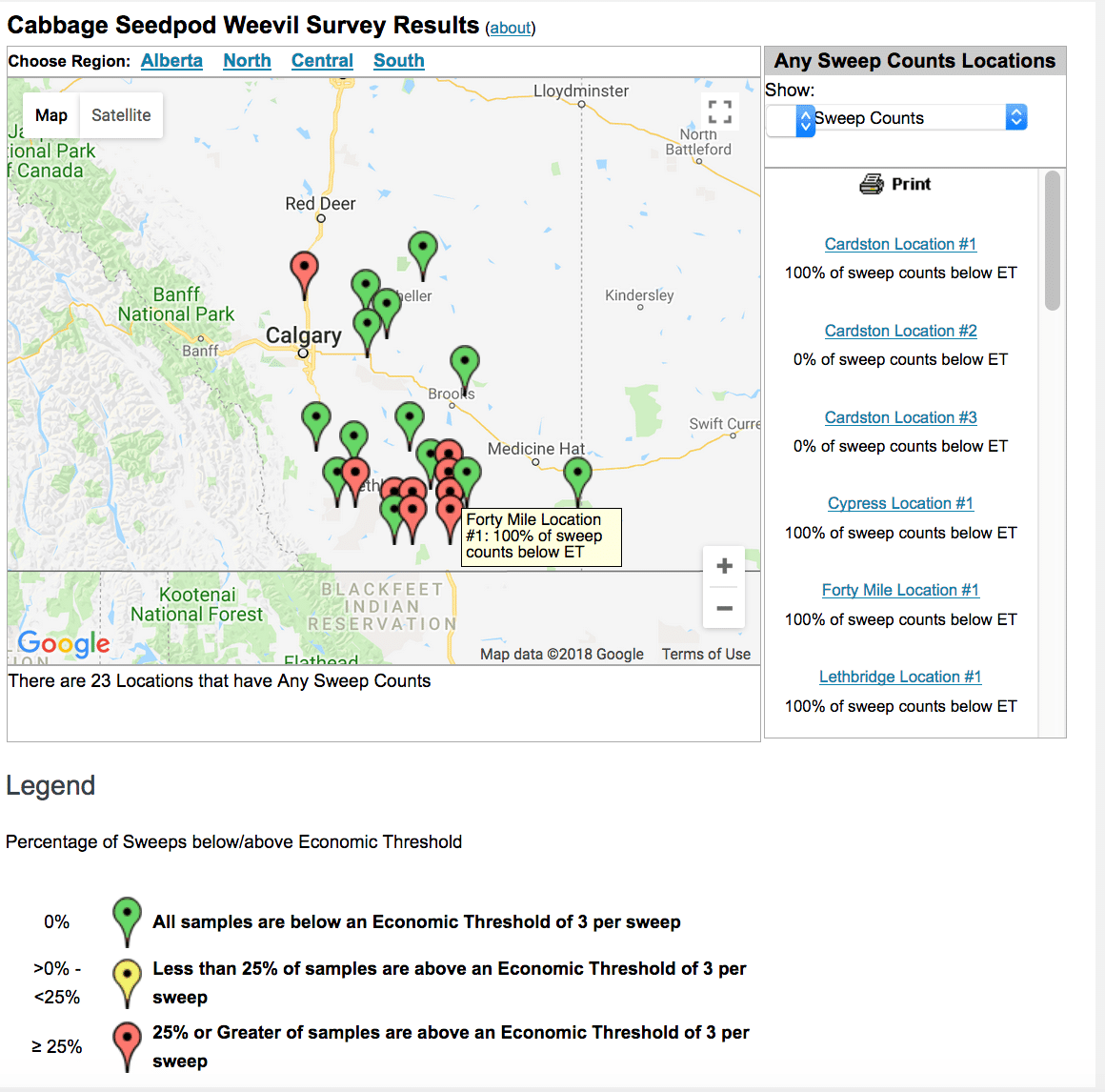
July 5, 2018 Map of the Week – Cabbage seedpod weevil countsAlberta Agriculture’s cabbage seedpod weevil survey results for 2018 are mapped. In areas with a red marker, 25% or more of samples reported are
July 5, 2018 Lygus bugs: Thresholds and scouting tipsIn very dry conditions: Threshold tables for lygus indicate that if canola is $12 per bushel and spray costs $8 per acre, the threshold