James Tansey, provincial entomologist with the Saskatchewan Ministry of Agriculture, posted this tweet on August 4:
Peak bertha emergence occurred between July 15 and July 22 in most regions of SK. Time to scout for larvae
— Dr. James Tansey (@dr_tansey) August 4, 2020
Here are the latest trap updates:
- Alberta. Alberta has quite a few locations with moth trap counts in the “medium” risk level and three in the “high” risk level. Those three are all in the southern part of the province. See the map.
- Saskatchewan. Counts were low for most of the province, with just a couple of sites moving into moderate or higher risk levels. The only orange spot on the map (July 22) is south of Humboldt. See the map.
- Manitoba. This is from the August 5 report: “No traps were in the moderate or high risk categories. Highest counts were in the western part of the central region and the northwest. The highest trap count is 485 near Dunrea in central Manitoba.” See the report.
Larvae start small but will grow quickly in warmer weather. This article from last week has details on how to scout and thresholds.
E-newsletter sign up +
Key Topics

Agronomy Fundamentals
Explore articles on the best management practices for yield, profitability and sustainability:
Related Articles

July 31, 2024
Questions of the Week
Pest updates | Satellite imagery for early insight on yield | Prep for disease scouting
August 19, 2020
Insect update: Spray or not?
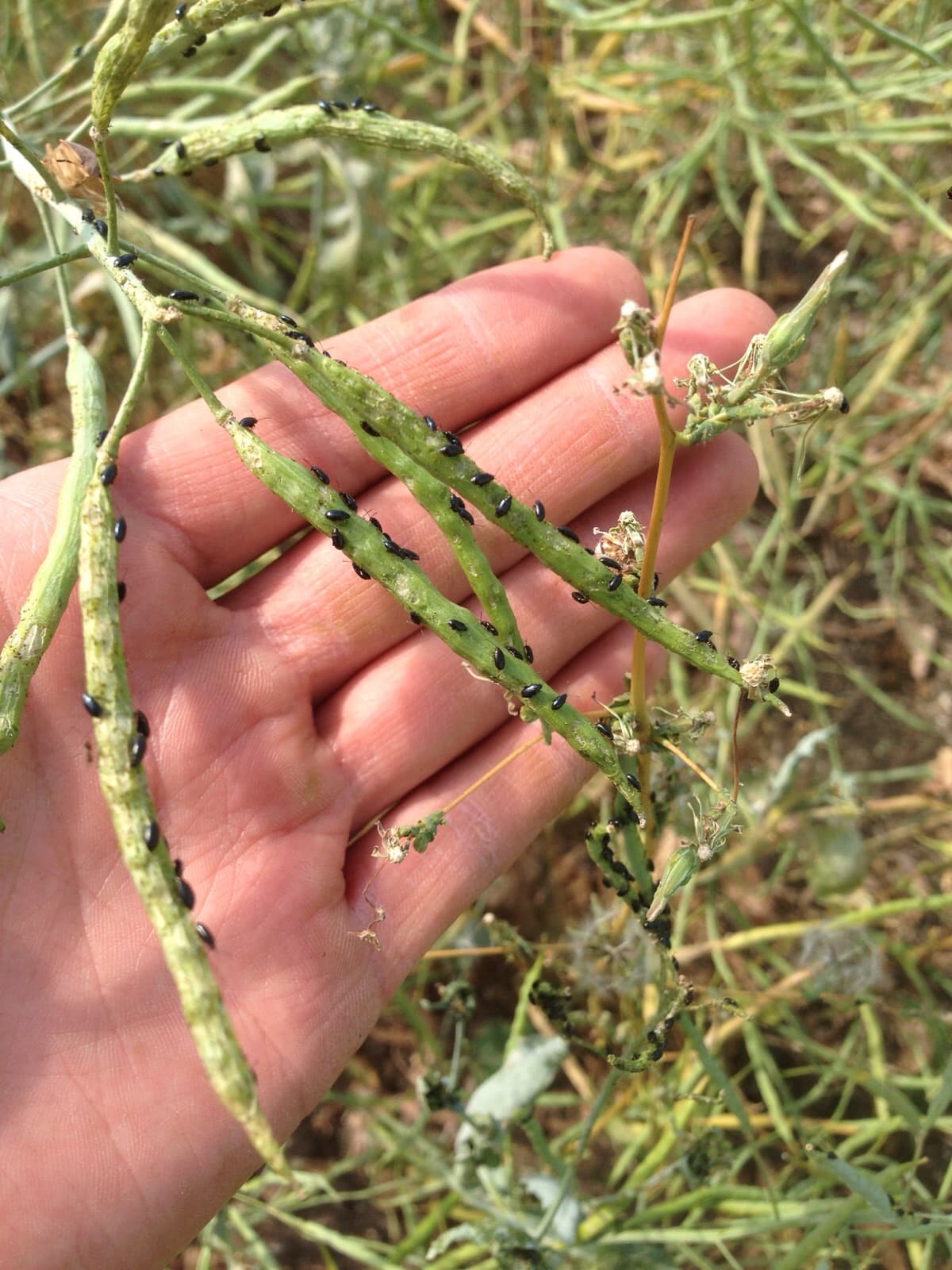
Numbers for August-emerging flea beetles have to be very high — perhaps 100 per plant — before economic losses occur. Some patches might be
July 29, 2020
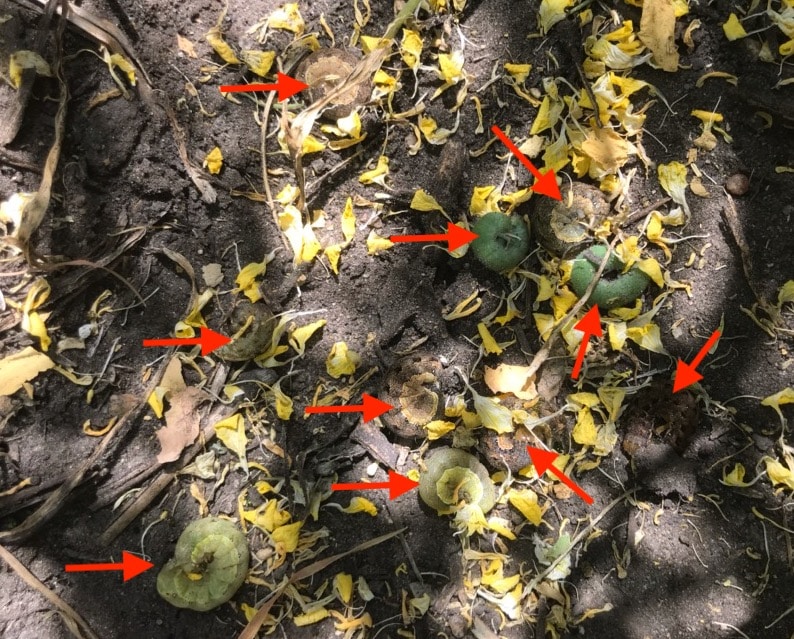
Bertha armyworm: Updates and scouting tips
Even if an area is low risk according to provincial risk maps, local hot spots can flare up – which is why each farm