July 31, 2024 Questions of the WeekPest updates | Satellite imagery for early insight on yield | Prep for disease scouting
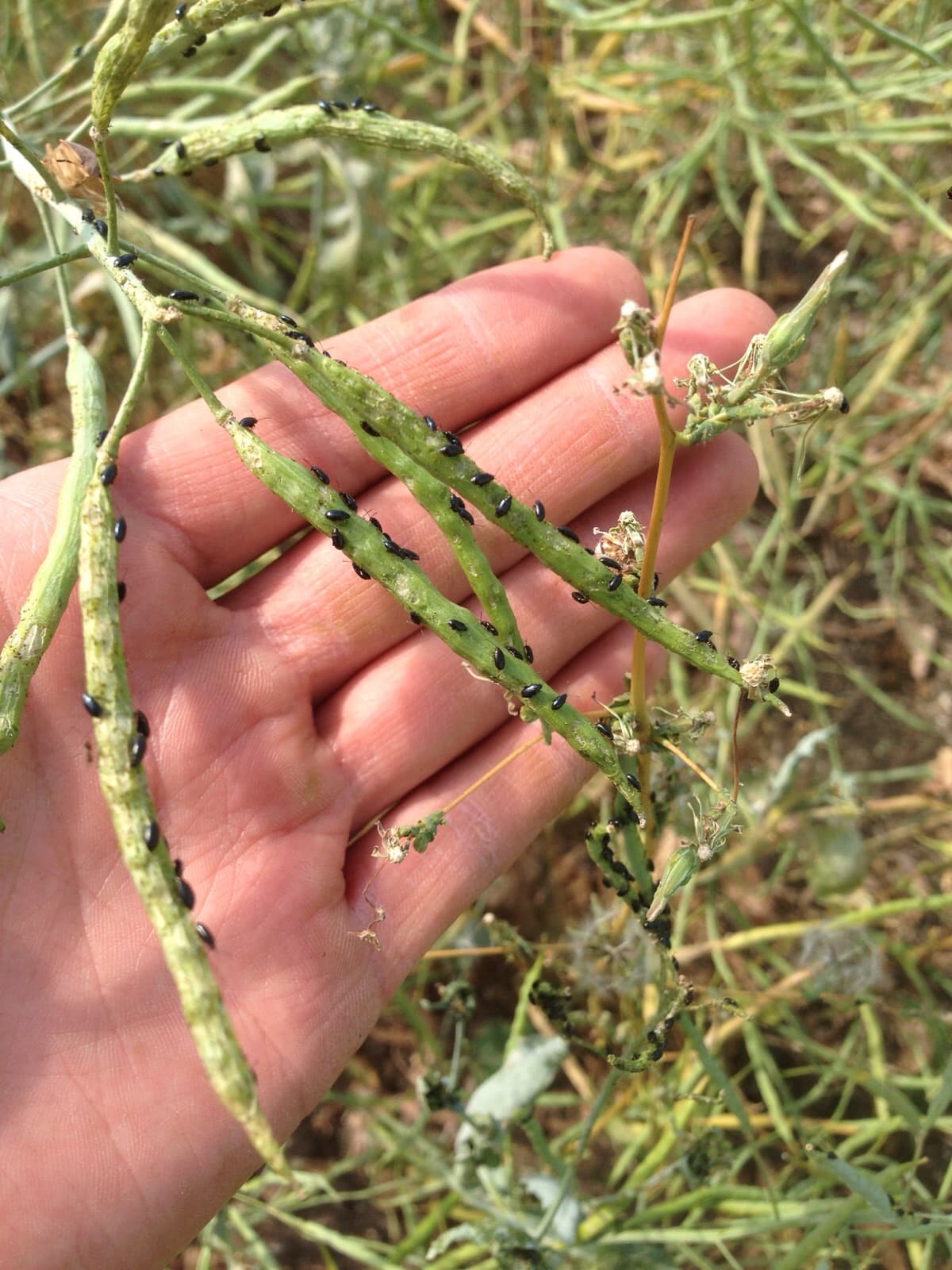
August 19, 2020 Insect update: Spray or not?Numbers for August-emerging flea beetles have to be very high — perhaps 100 per plant — before economic losses occur. Some patches might be
August 6, 2020 Bertha armyworm: Time to scoutAdult trap counts show a few potential hot spots for larvae feeding, but numbers can be quite different field to field. Check each field!
July 29, 2020 Bertha armyworm: Updates and scouting tipsEven if an area is low risk according to provincial risk maps, local hot spots can flare up – which is why each farm
July 22, 2020 Pod eaters: Scouting tips and thresholdsCheck pods for feeding from bertha armyworm, diamondback moth larvae, lygus and other pests. If any pod feeders are found, make accurate counts in
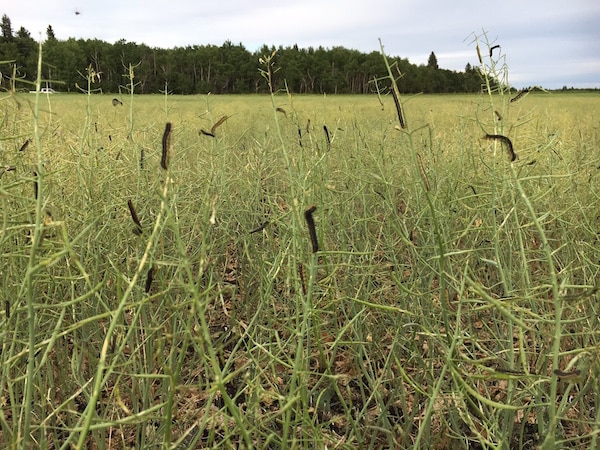
September 5, 2019 Bertha spraying and pre-harvest intervalsA full-fledged bertha armyworm outbreak continues in the Peace region. Continue scouting, noting that fields at thresholds can be right beside fields with low
August 28, 2019 Bertha armyworm at thresholds in PeaceBertha armyworm numbers are at thresholds in more Peace-region canola fields this week. Growers in the Birch Hills, Saddle Hills and Northern Sunrise areas
August 21, 2019 Insect updateAs predicted by moth traps, the Peace region has fields at thresholds. Beyond there, a few field here and there across the Prairies have
August 8, 2019 Look for berthasThe bertha armyworm risk is fairly low across most of the Prairies, but the insect pest is at high numbers in localized areas. These
July 25, 2019 Canola Watch quiz – bertha armywormTest your bertha armyworm identification and scouting skills with these 6 questions.
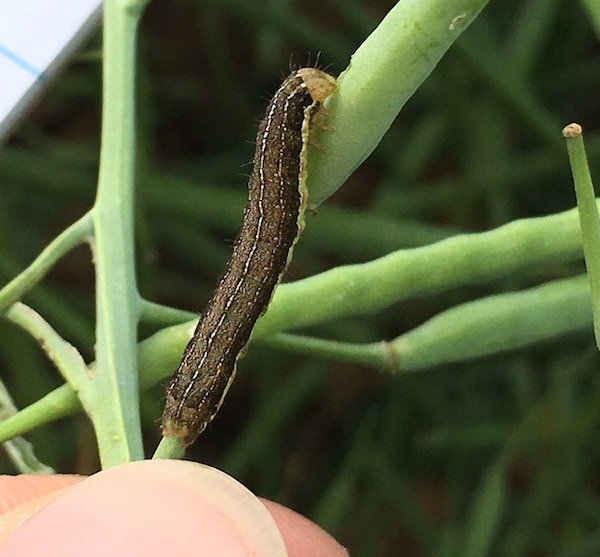
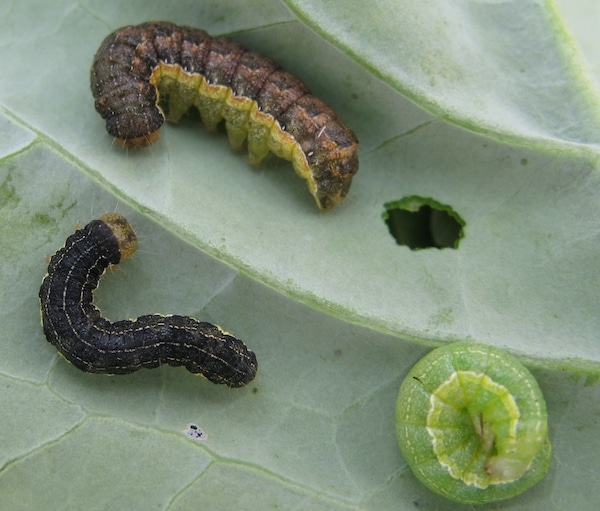
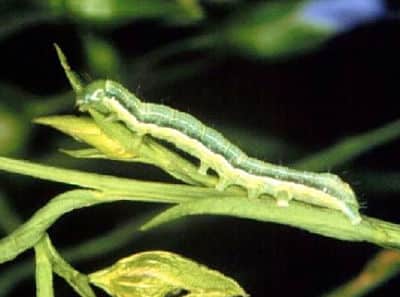
July 17, 2019 Identify green worms accuratelyThe most damaging of the ‘green’ worms is the bertha armyworm, which can be green, brown or black.
July 26, 2018 Three insects to look for on canola podsThe three most common pod munchers are bertha armyworm, diamondback moth larvae and lygus bugs. Hot spots can sometimes be isolated to specific fields,