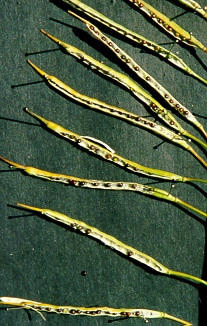
August 1, 2012 Sclerotinia and swath timingIn fields badly infected with sclerotinia, swath when the healthiest plants are ready. These plants will provide most of the yield. Swathing early will
August 1, 2012 Tips for swathing in heatWhen crops are maturing rapidly in hot conditions, swathing before 50-60% seed color change on the main stem may not give chlorophyll time to
July 25, 2012 Issues of the weekBertha armyworm larvae have started to feed in some locations, and the second generation of lygus has arrived in the southern Prairie. Watch pods
July 25, 2012 Insect update: Lygus, berthaSecond generation lygus have arrived. Young nymphs will reach late instar and adult stages in 5 to 14 days. When scouting to see if
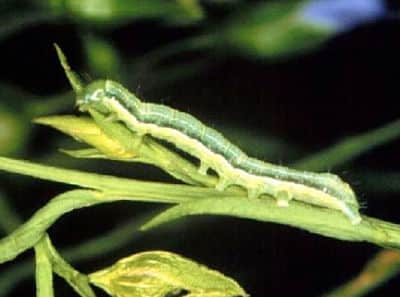
July 25, 2012 Lots of green worms. What are they?Some fields may have a variety of green worms feeding, including bertha armyworm, diamondback moth larvae, imported cabbageworm and alfalfa looper. Here’s how to
July 25, 2012 Combining thresholds for multiple insectsWe don’t have scientific evidence to combine thresholds, but where an “additive” effect of multiple species can make sense is when more than one
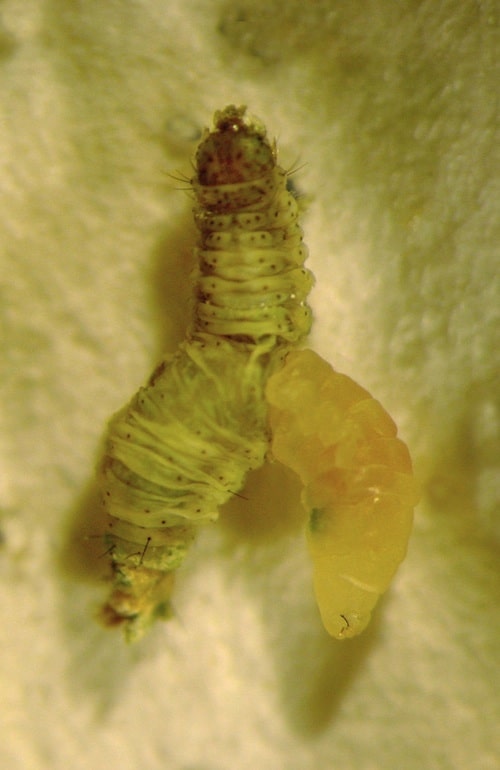
July 25, 2012 Beneficials to look for while scoutingLygus, bertha armyworm and diamondback moth have a number of natural enemies that will keep populations in check. These beneficial insects may not control
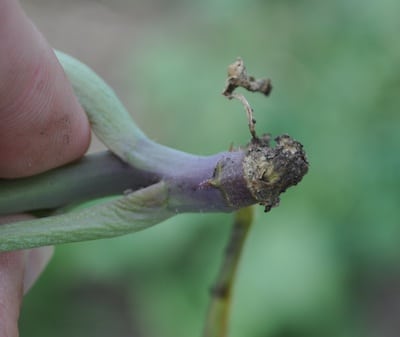
July 25, 2012 Disease update: Blackleg, sclerotinia, foot rot, clubrootSclerotinia could be bad this year but the window to apply fungicide has closed for most crops. Rhizoctonia foot rot, shown above, may explain
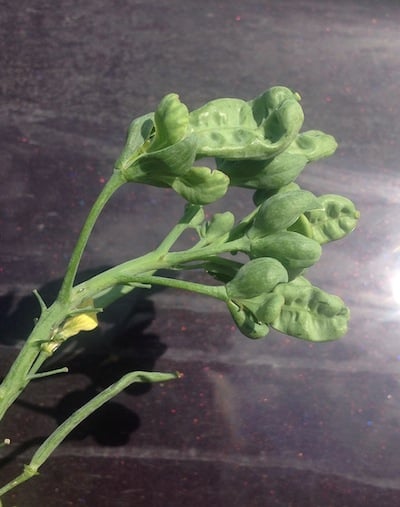
July 25, 2012 Lots of aster yellowsFields all across the Prairies are reporting aster yellows. The phytoplasma infection causes misshapen pods and flower buds. Most fields don’t go above 1%
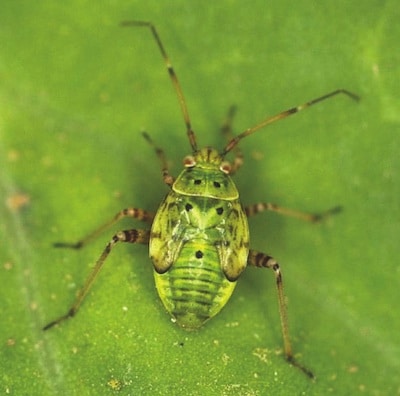
July 18, 2012 Issues of the weekWhen sweep netting for lygus, include late instar nymphs — the ones with black dots, as shown above — when doing counts for thresholds.
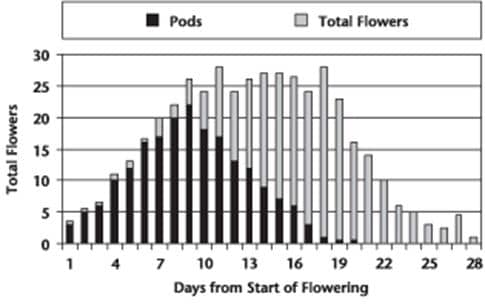
July 18, 2012 Early flower damage? Canola can compensateCanola plants that lose flowers to heat, insects, etc., can recover without a yield penalty — or not much of one — if conditions
July 18, 2012 Insects: Lygus, bertha, zebra caterpillarsInclude nymphs (shown above) when doing lygus sweep net counts. Bertha risk rising. Zebra caterpillers are usually confined to small areas within a field.