July 8, 2020 Quiz – Insect eggsEggs are not a target for management, but this is a fun quiz that will improve your agronomy knowledge. Look out for these when
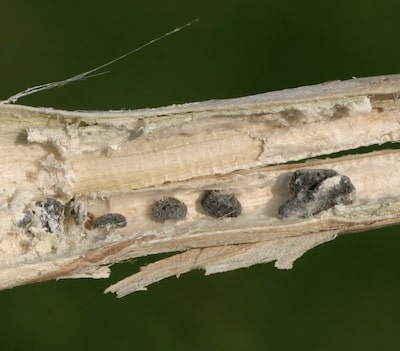
July 8, 2020 Top 10 sclerotinia stem rot questionsWhat is 20 per cent flower? When to spray an uneven crop? What is the right amount of moisture for disease? And more…
July 8, 2020 What does a 5” rain do to soil nutrient availability?After a heavy rain, canola in higher ground might be in good shape. Canola on the edge of standing water may be experiencing some
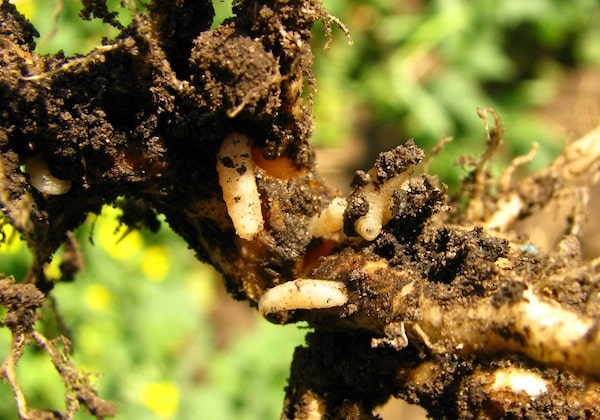
July 8, 2020 Insect updateSeeing about ground symptoms? Root maggots are one possible cause. Their damage can also increase root disease infections.
July 8, 2020 Heat and its effect on canolaHot days (28-30°C and up) coupled with warm nights (16°C and up) from bud to mid-flowering stages can have a substantial effect on canola
July 8, 2020 Late-window applications of herbicideAlways follow labels for rate, timing and pre-harvest intervals (PHI) when applying herbicides. Applications made after the label window can lead to reduced weed
July 8, 2020 How to make an accurate diagnosisThe challenge is that one symptom can have many causes, so keep an open mind. Don’t have a pre-conceived notion of what the problem
July 2, 2020 QUIZ – Sclerotinia stem rot riskThese three questions will help canola farmers and agronomists assess the sclerotinia stem rot risk in their areas.
July 2, 2020 Factors in the sclerotinia spray decisionThe decision to apply a fungicide to prevent sclerotinia stem rot may be generalized by answering these four questions: (1) Have environmental conditions prior
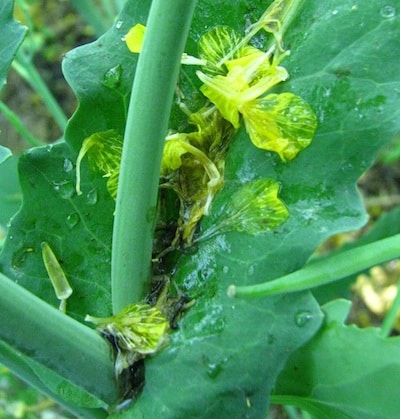
July 2, 2020 Sclerotinia stem rot: Timeline for infectionOnce petals drop and start to decay, infection proceeds very quickly with lesions being visible in as little as 24 hours.
July 2, 2020 Sclerotinia fungicide: Timing and performance tipsTiming and coverage are keys. For most fungicides, the recommended window for application falls between 20 and 50 per cent bloom, with optimum timing
July 2, 2020 Sclerotinia risk with hot weatherHot, dry weather reduces infection rates and the progression of sclerotinia within the plant. The disease risk is limited when current conditions are dry,