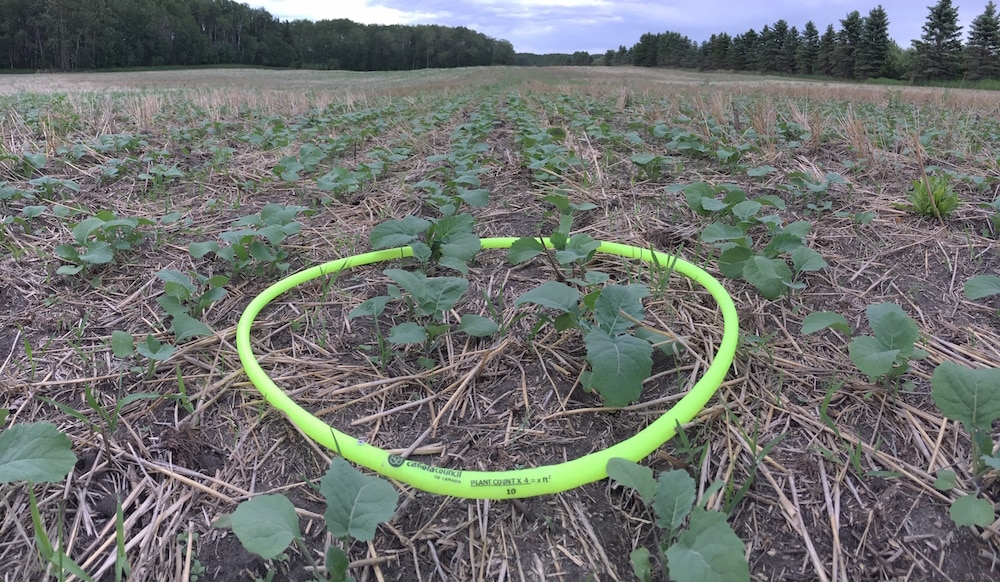
June 10, 2020 How to count plants (and reasons for low numbers)Plant counts help quantify the success of canola plant establishment in each field. If counts are less than expected, the article also lists common
June 10, 2020 Last chance for blackleg controlFungicide is probably not necessary in a field with at least a two-year break between canola crops, blackleg-resistant varieties and rotation of genetics. But
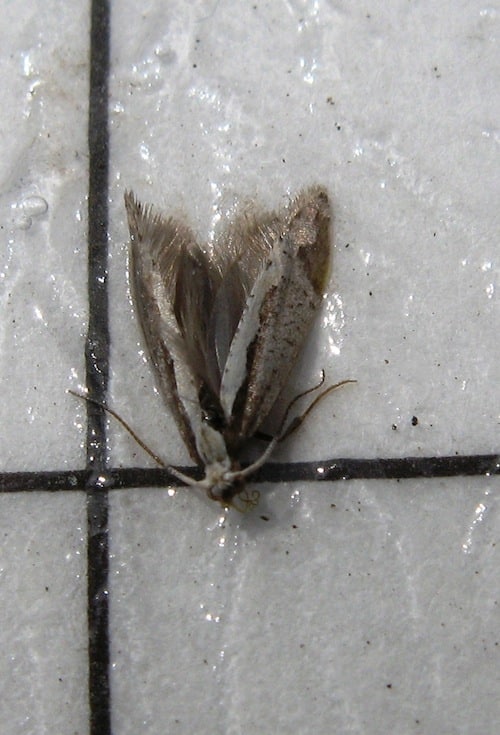
June 10, 2020 Insect Update: Flea beetle products, diamondback moth numbersTrap counts are showing higher numbers of diamondback moths in a few areas, but this just means that the moths have arrived, and is
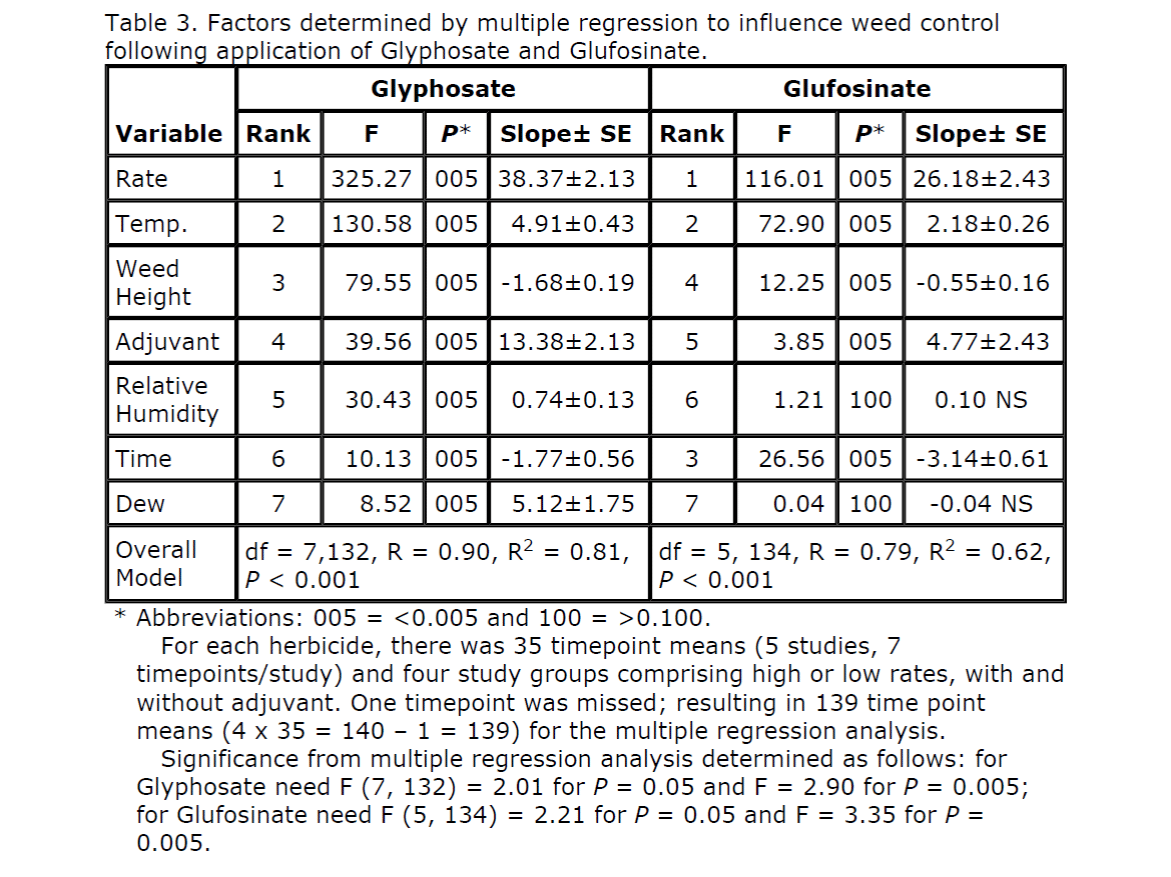
June 10, 2020 Spraying situations: Timely topicsSituations…Lots of weeds and they’re growing fast. Spraying at night to dodge heavy winds. Scouting shows escapes of efficacy issues. Tank mix makes a
June 10, 2020 Does available nutrient match yield potential?The ideal time for nitrogen is any time up to the six-leaf stage to make sure fertilizer in place before the crop needs it.
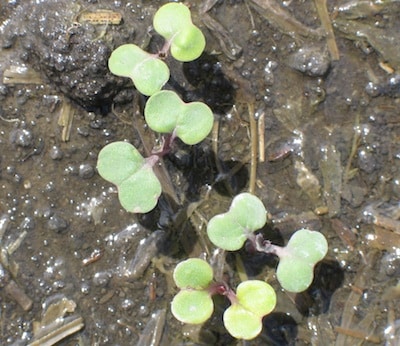
June 10, 2020 Seedling survival in waterlogged fieldsWet soils cause an oxygen deficiency, which reduces root respiration and growth. Root failure reduces nutrient uptake, and plants will eventually die unless drowned
June 3, 2020 Quiz – To spray or not to sprayWhat would you do – spray or not spray – in the four scenarios outlined in this quiz?
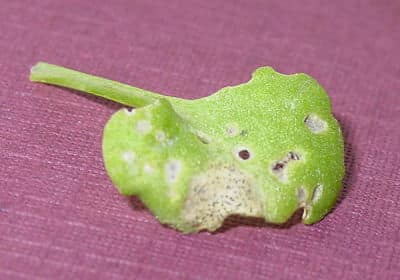
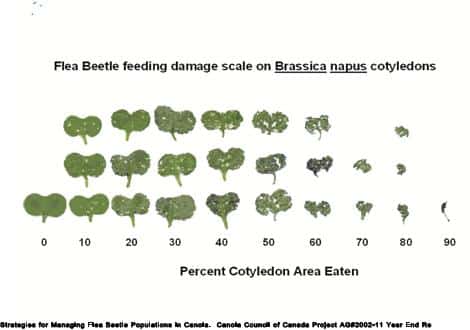
June 3, 2020 How to assess leaf area loss from flea beetlesThe action threshold for flea beetles in canola crops in Canada is an average leaf area loss of 25 per cent or more. How
June 3, 2020 Podcast & Video – Seedling disease complexPythium species, Fusarium species and Rhizoctonia solani – the “three amigos” – can cause seed rots, root rots and stem decay on young canola
June 3, 2020 Tips for spraying at nightfrom the perspectives of herbicide uptake, efficacy and label requirements, night spraying is OK as long as weeds are not under any stress and
June 3, 2020 Will a fertilizer top-dress pay off?Canola fields may benefit from a top-dress application of nitrogen or sulphur (or both) if logistics and weather prevented the full recommended application of
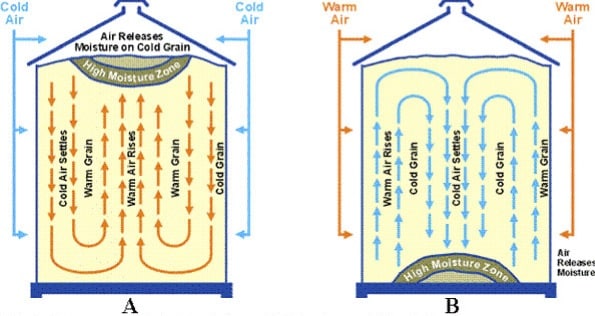
June 3, 2020 Do I have time to check the bins?Any canola in storage should be checked – just to make sure it’s safe. Reports of heating bins are trickling in this week.