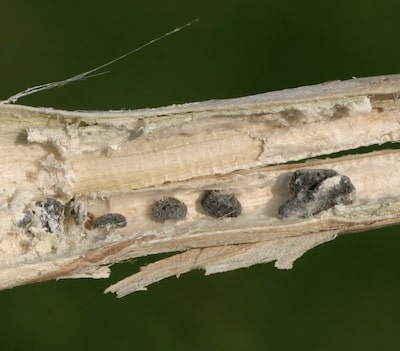
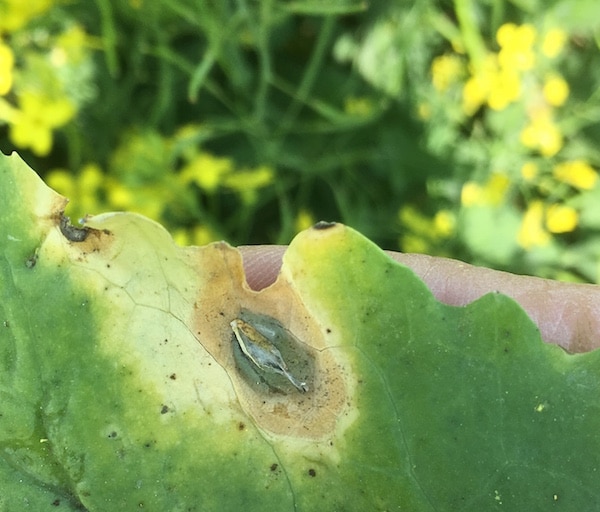
July 11, 2018 Insect update: Bertha, diamondback and weevil countsInsect trap counts are generally low across the Prairies, but bertha counts keep rising. Here are the latest provincial survey results.
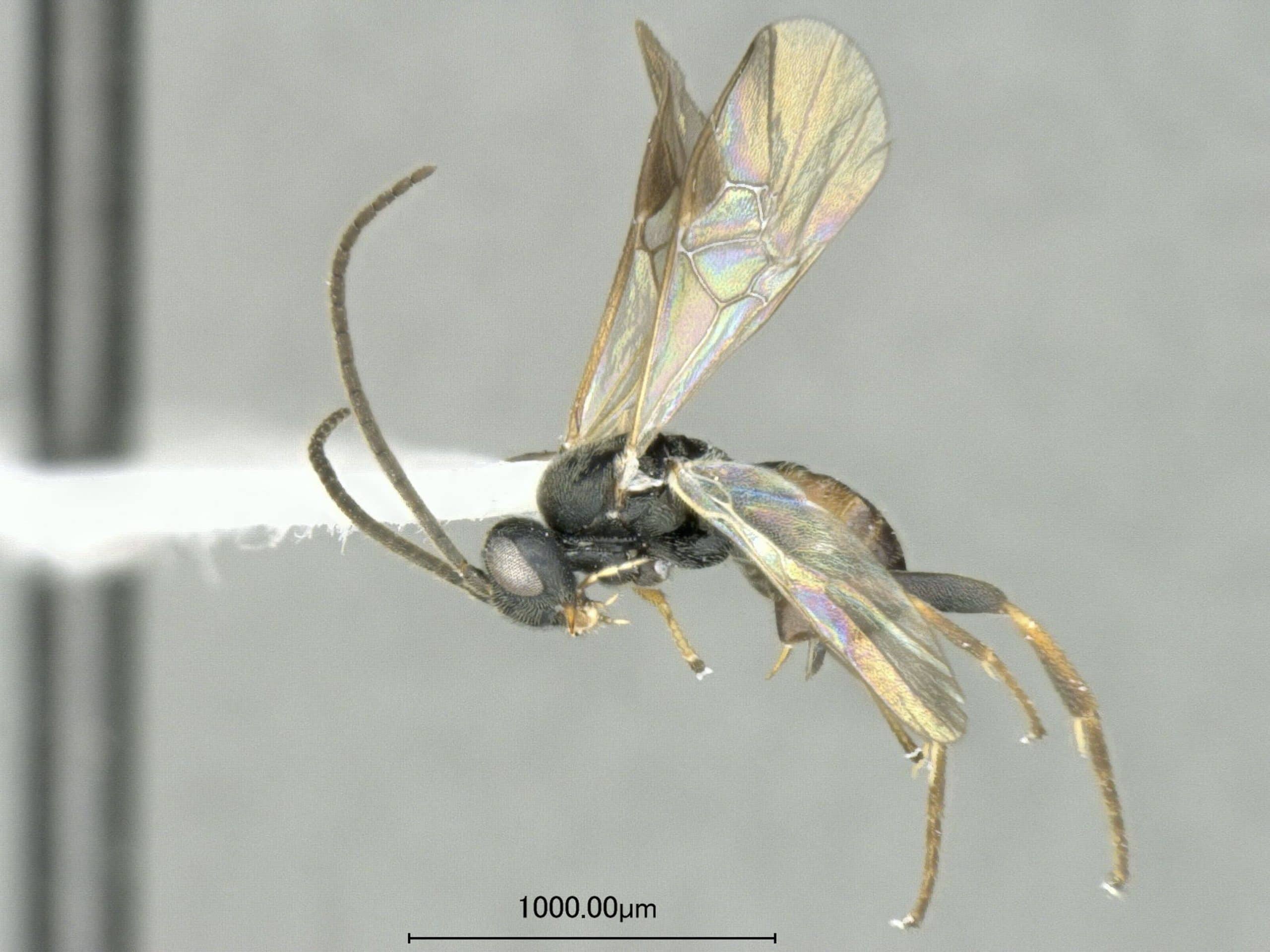
July 11, 2018 Diamondback moth parasitoid in high numbersEntomologists were excited to find a known diamondback moth parasitoid, the 2mm-long Diolcogaster claritibia wasp, at very high numbers in Alberta canola fields over
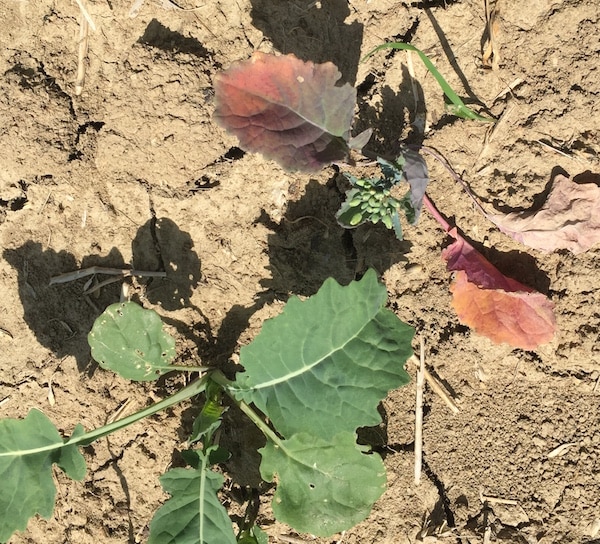
July 11, 2018 What’s going on with the roots?Take a random look at a few canola roots in each field to see what’s going on. Also dig up the root area for
July 11, 2018 Hail at flowering. Can the crop recover?In light hail, canola can sometimes over-compensate and produce even higher yield. In serious hail situations where entire flowering branches are knocked off, plants
July 11, 2018 Most popular article from last weekManitoba: Sclerotinia stem rot: Timeline for infection Saskatchewan: Sclerotinia stem rot: Timeline for infection Alberta: Map of the Week – Cabbage seedpod weevil counts
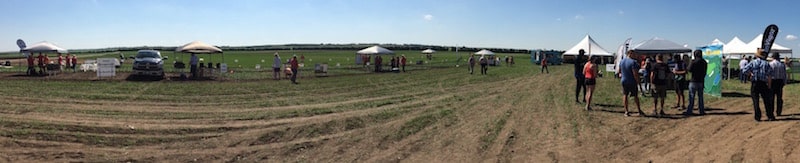
July 5, 2018 Top 10 questions from canolaPALOOZA 2018canolaPALOOZA 2018 was at AAFC Saskatoon June 25 and AAFC Lacombe June 27. Here are the top 10 questions from the two events.
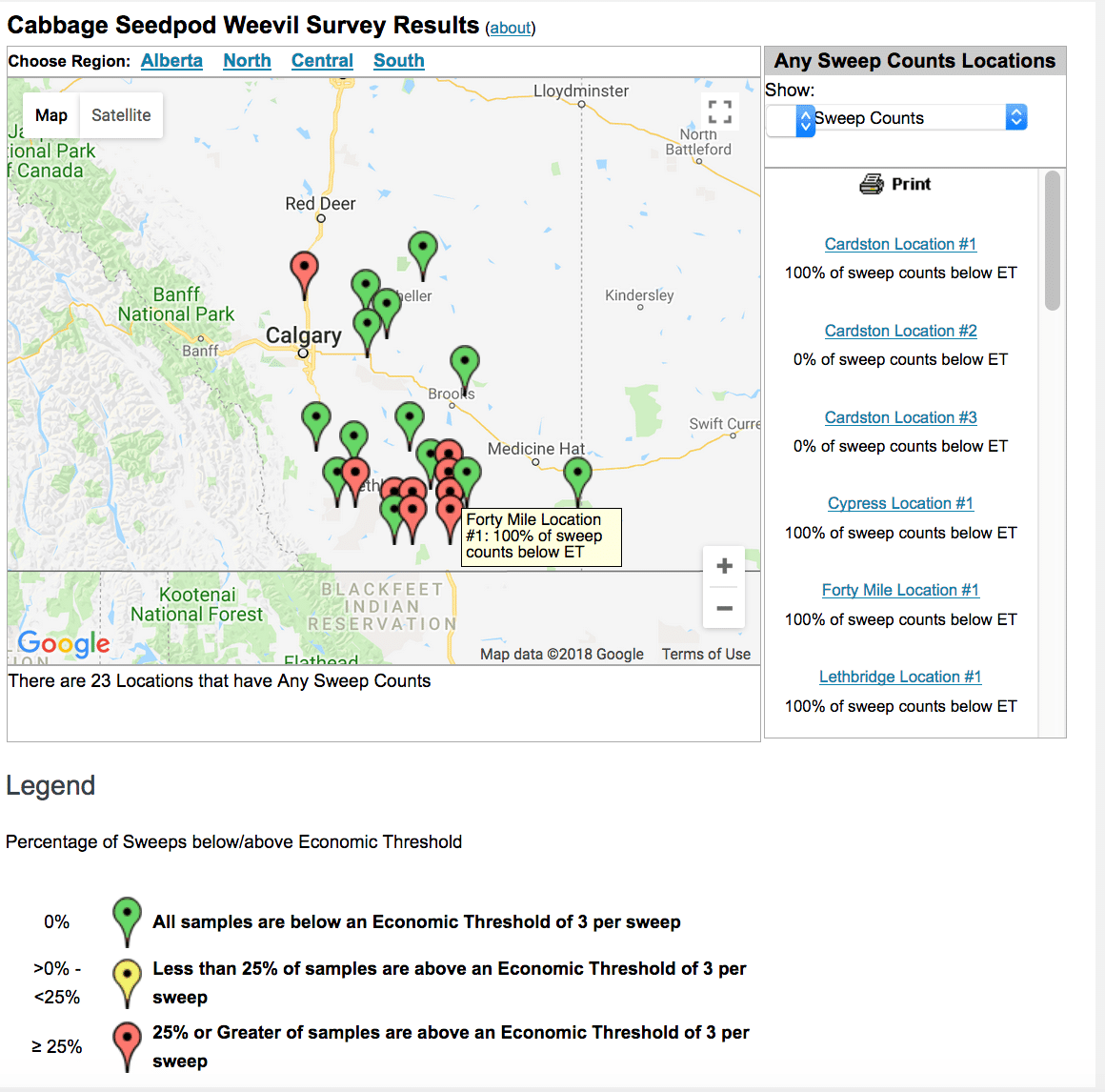
July 5, 2018 Map of the Week – Cabbage seedpod weevil countsAlberta Agriculture’s cabbage seedpod weevil survey results for 2018 are mapped. In areas with a red marker, 25% or more of samples reported are
July 5, 2018 The disease triangle: Moisture means sclerotiniaThe three points of the disease triangle are host, pathogen and environment. When it comes to sclerotinia stem rot in canola in Western Canada,
July 5, 2018 Sclerotinia stem rot timeline for infectionThe sclerotinia stem rot infection cycle begins when sclerotia in the soil (left from the last time an infected crop was produced on that
July 5, 2018 Sclerotinia stem rot: Late and second spraysIf conditions are dry at early flower and then it rains at 40% to 50% flower, spraying at the end of the window may
July 5, 2018 Sclerotinia: Positive petal test may not mean "spray"Small amounts of spores can lead to yield-robbing levels of sclerotinia in continued moist conditions. A petal test to confirm the presence of sclerotinia