June 27, 2018 Clubroot disinfectants: Bleach is bestMichael Harding with Alberta Agriculture & Forestry recently compared 10 disinfectant solutions to see which is best to kill clubroot spores on machinery, tires
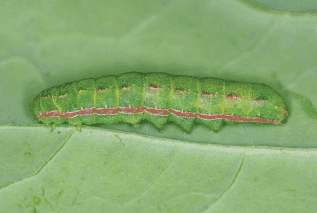
June 27, 2018 Insect update: The biggies plus clover cutworms and little red bugsClover cutworm damage has been confirmed in a few fields around Weyburn, Saskatchewan. They are a climbing cutworm and can be easily confused with
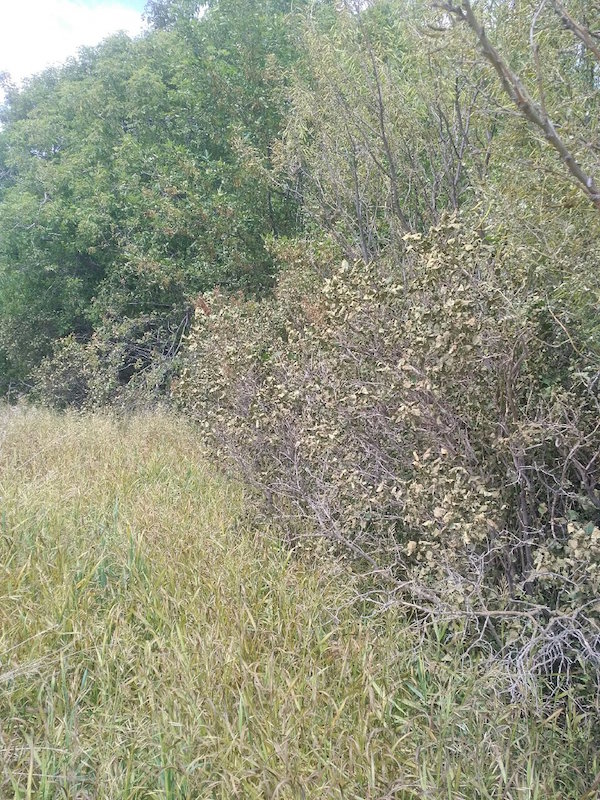
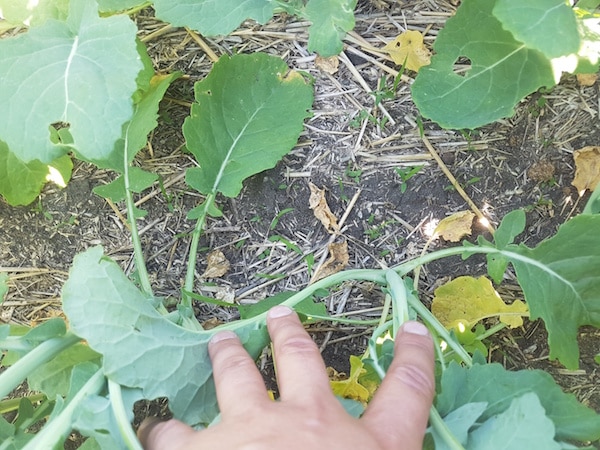
June 20, 2018 Canola Watch quiz – Normal/not normalLook at these six images from canola fields this week and determine if what you’re seeing is normal or not normal.
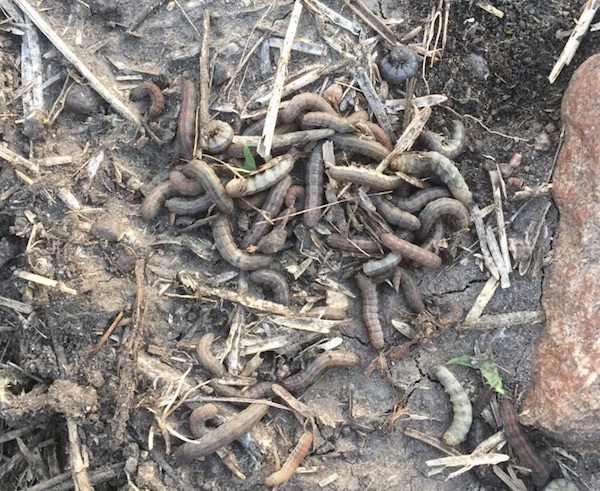
June 20, 2018 Cutworms heavy in canola on canolaTwo CCC agronomy specialists heard this week of high cutworm damage in canola fields seeded into canola stubble. Canola on canola has many potential
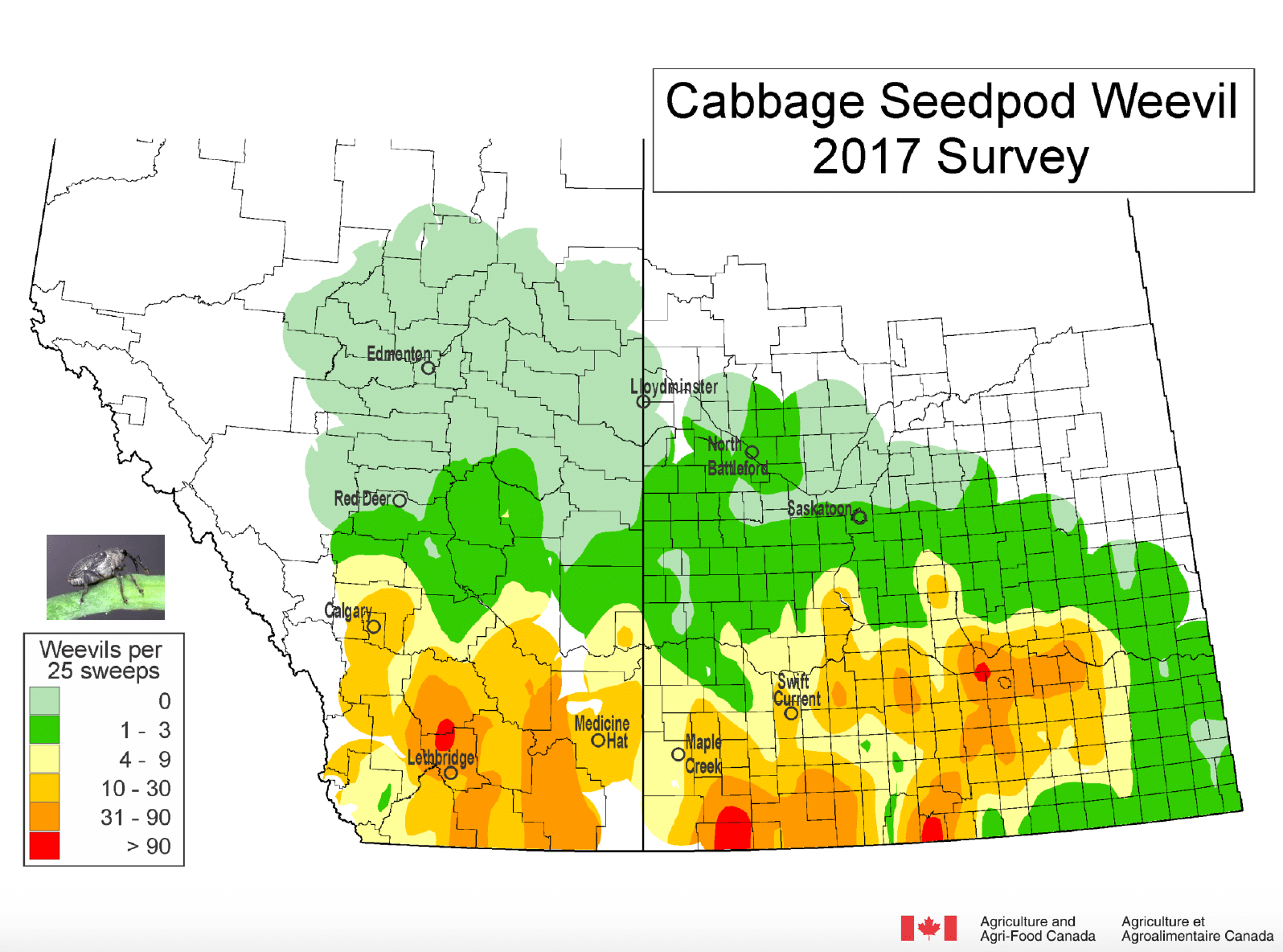
June 20, 2018 Map of the Week – CSPWWith earliest canola fields starting to flower in southern Alberta and southwest Saskatchewan, cabbage seedpod weevil scouting season begins. Here is the forecast map
June 20, 2018 Unexpected herbicide damage: ScenariosUnexpected carryover can occur when dry conditions in the year of application slow the expected pace of breakdown of herbicides. Unexpected residue damage is
June 20, 2018 Inversion and drift: Risk factorsLow wind and clear skies can cause inversions, which can increase the risk of spray drift. This article explains how to identify (and avoid)
June 20, 2018 Is a second in-crop herbicide application necessary?A second application of in-crop herbicide is not always economical if the crop is well established, competitive and ahead of the remaining weed population.
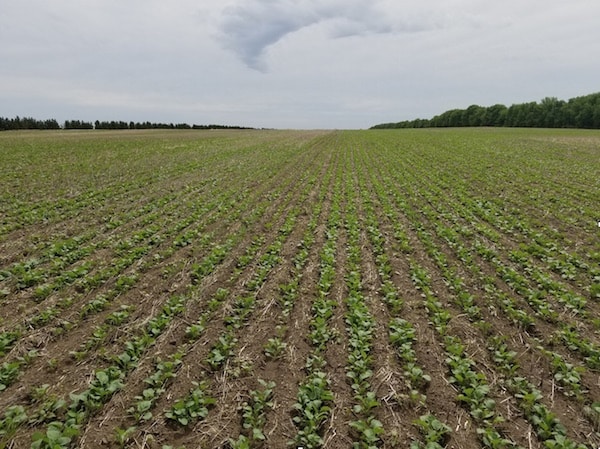
June 20, 2018 Sentinel story: Plant count case studyBy Ian Epp Plants are fully emerged, making it a great time to take a look at canola plant stand and decide if you’re
June 20, 2018 How to manage a thin standThin stands often require a lot more babysitting. Scout early, scout often and keep good notes.
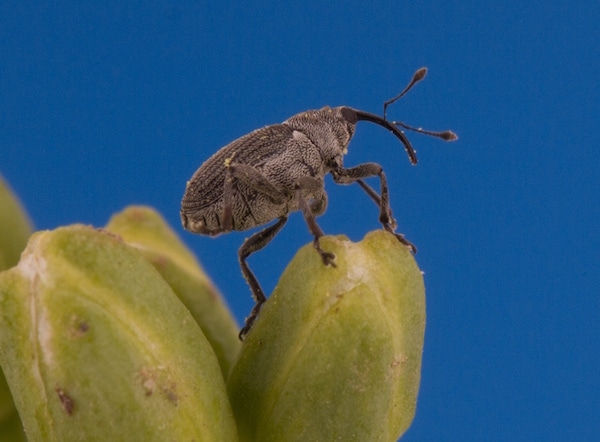
June 20, 2018 Cabbage seedpod weevil: Early fields at highest riskEarliest canola fields are just coming into flower in southern Alberta and southwest Saskatchewan, the highest-risk areas for cabbage seedpod weevil in Western Canada.
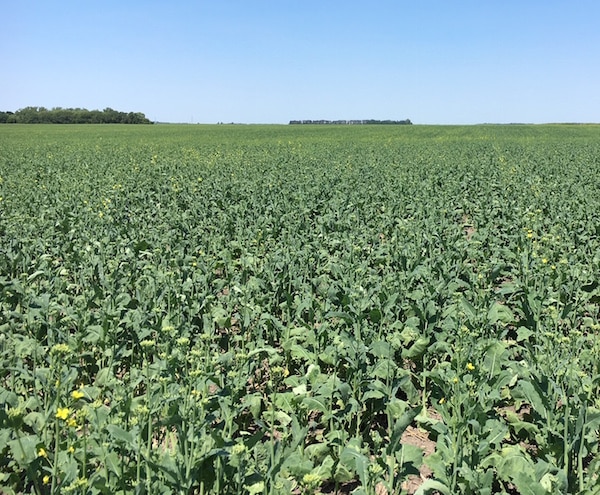
June 20, 2018 Sclerotinia risk assessment: Fungicide planningAs earliest canola crops start to flower, the annual sclerotinia stem rot management conversations begin. This article describes factors that increase risk and reduce