The later hail occurs in the season, the more damage it can do to yield. Crops not mowed down by hail can see some yield recovery.

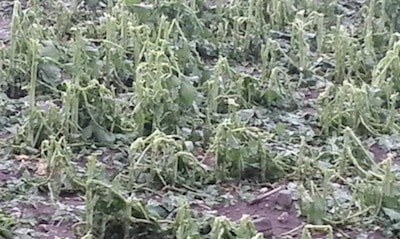
The later hail occurs in the season, the more damage it can do to yield. Crops not mowed down by hail can see some yield recovery.
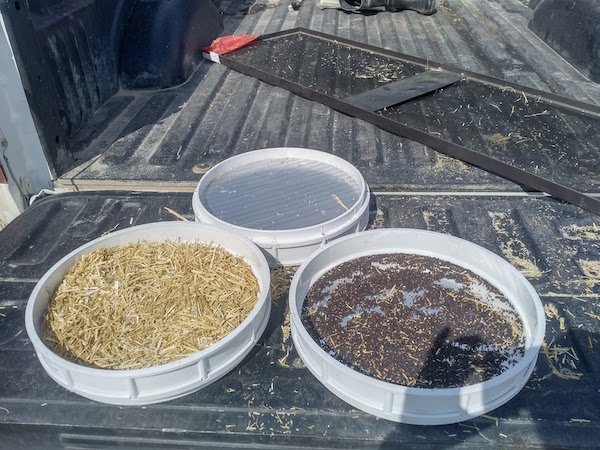
Canola producers can lose up to five bushels or more per acre if the combine isn’t adjusted properly. Here are tips to measure combine losses and make adjustment to limit those losses, putting more canola in the bin and reducing the volunteer canola seedbank in your fields.
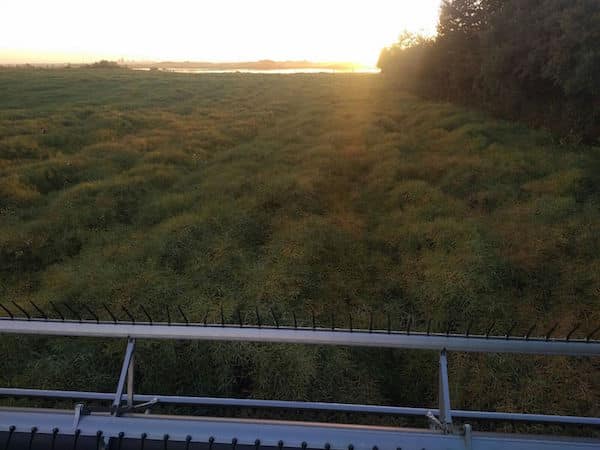

Non-uniform maturation is a common issue at harvest. This issue may be more pronounced in those areas that experienced abnormally dry conditions and intense flea beetle pressure this spring. Swathing remains the best and least risky option to manage uneven maturity.
Those set on straight cutting have three product options to consider as pre-harvest aids: diquat, saflufenacil (Heat LQ) and glyphosate.
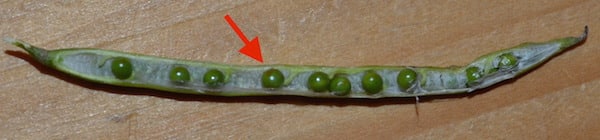

Optimal swath timing for canola yield and quality is when at least 60% of seeds on the main stem are showing some colour change and when most (or all) side-branch seeds are “firm to roll.”
What is the goal with a pre-harvest application? If weed control is the goal, assess the weed situation before spraying. If desiccation (crop and weed dry-down) is the goal for straight combining, this decision should wait until just before harvest. Here are the pre-harvest options for canola…

The combine optimization tool at www.canolacalculator.ca will help farmers set the combine to keep losses as low as possible while finding a balance with productivity and grain quality.
The combine optimization tool, developed by the Prairie Agricultural Machinery Institute (PAMI) for www.canolacalculator.ca, will help farmers set the combine to keep losses as low as possible while finding a balance with productivity and grain quality.
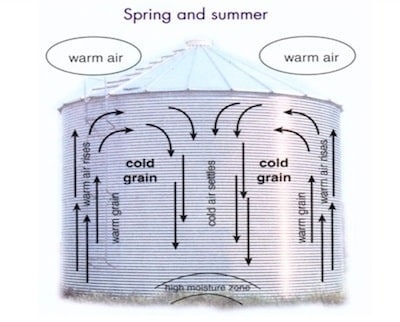
As we exit the winter period of really cold days, growers may wonder whether running fans on cold days to substantially drop the temperature of stored canola is worthwhile? This is not a researched scenario, but we asked grain storage researcher Joy Agnew of PAMI for her thoughts.

Extended moments of warmer weather in winter can increase air and moisture movement inside bins. Put a priority on canola with moisture above 8% or higher dockage or green seed levels but take a moment to check in on all bins.
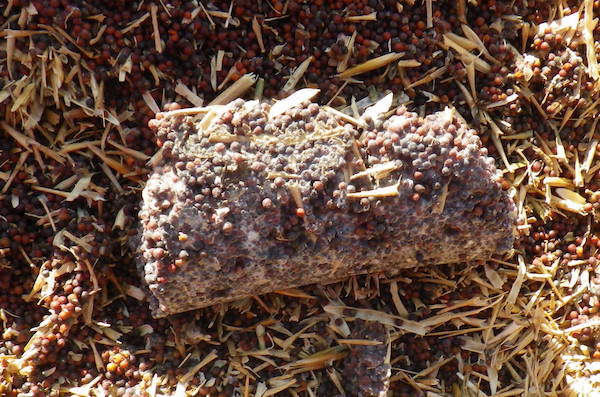

Canola harvested at 15% moisture may not last long in storage before spoilage begins. How long is hard to predict. If warm, spoilage could start within a matter of days. If stored cool or cold, canola may last longer without spoilage, but this bin will become very unstable with any stretch of warm weather.