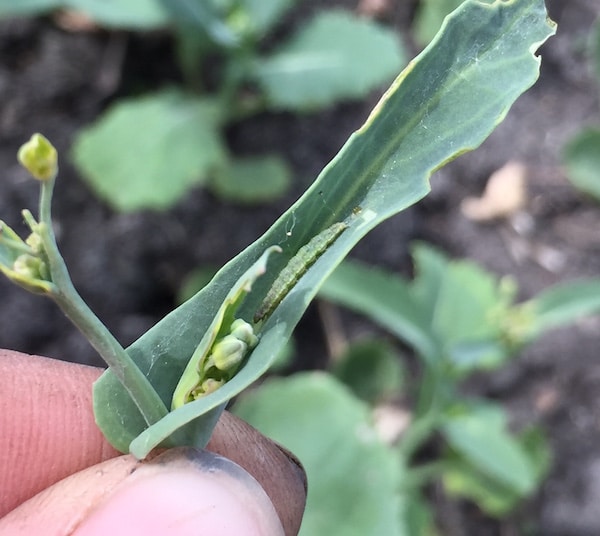
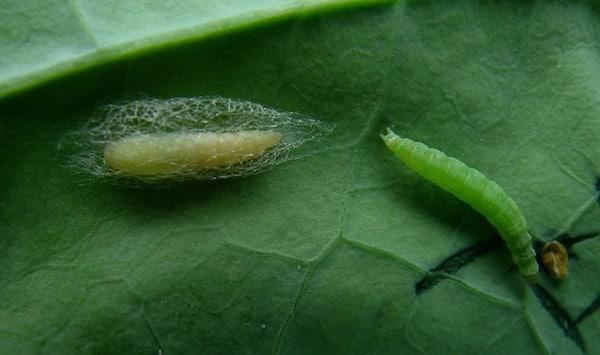
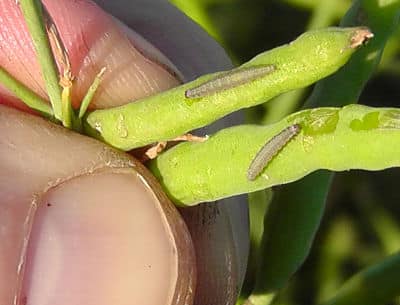
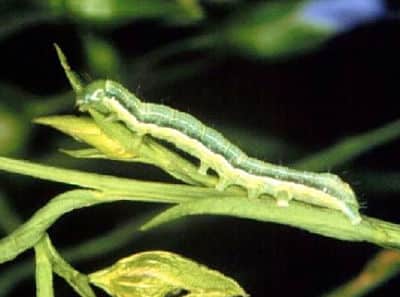
July 19, 2018 Diamondback moth larvae observedDiamondback moth larvae are at noticeable levels in many canola fields in the Eastern and southern Interlake areas of Manitoba. But levels are generally
July 11, 2018 Insect update: Bertha, diamondback and weevil countsInsect trap counts are generally low across the Prairies, but bertha counts keep rising. Here are the latest provincial survey results.
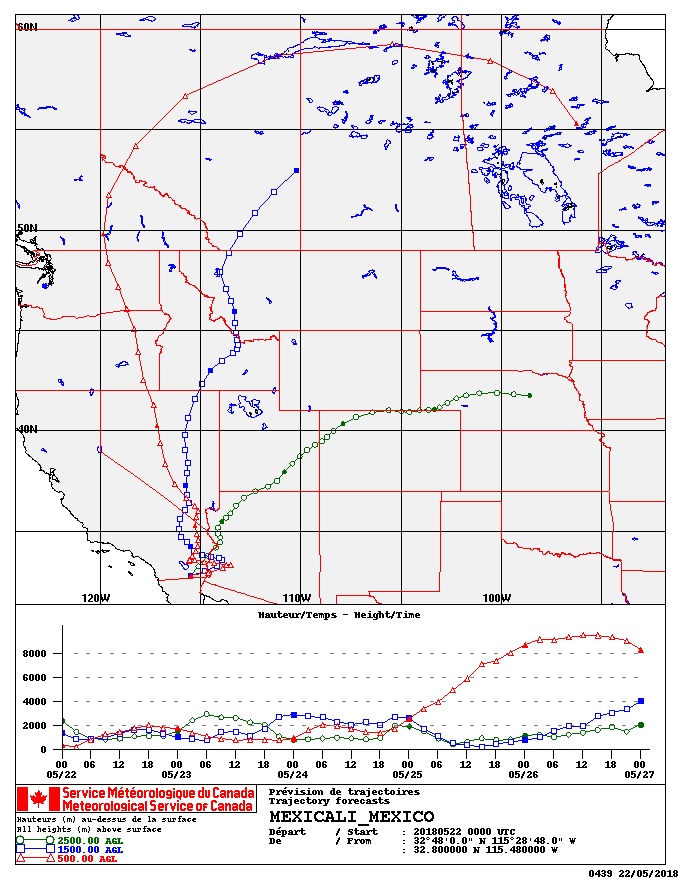
May 24, 2018 Map of the Week – wind trajectoriesOf particular interest are those trajectories that, prior to their arrival in Canada, originated over northwestern and southern USA and Mexico – anywhere diamondback
August 2, 2017 Canola Watch quiz: Diamondback mothTest your diamondback management skills with these four questions…
August 2, 2017 Diamondback moth larvae: Common questionsDiamondback moth larvae have been found in canola fields across the Prairies this year. Of those fields with the larvae, counts in many (perhaps
July 26, 2017 Keep watch for diamondback moth larvaeDiamondback moth larvae have been found in many fields this year. In most cases counts have been well below economic thresholds, but keep looking
May 3, 2017 Insects: Cutworm guide, DBM monitoringAAFC has published a new cutworm guide, available as a free download, with descriptions of all pest cutworms in Canada as well as helpful
July 27, 2016 Why so few insects this year?Pod-eating insects — including bertha armyworm, lygus and diamondback moth larvae — are at low levels in general in 2016. The biggest factors regulating
July 13, 2016 Diamondback moth larvae — ThresholdsThresholds for diamondback moth larvae are 100-150 larvae per square metre in immature to flowering plants and 200-300 larvae per square metre (20-30 per
July 6, 2016 ID green worms accuratelyBefore spraying, make sure your canola is at the right stage to be damaged by the worms and that the worms are actually the
June 30, 2016 Insect scouting: What may you find?Lygus is one insect you may find in canola this week, but spraying lygus before pod stages rarely provides an economic benefit. Lygus do
July 29, 2015 Insect update: Check to be sureDiamondback moth larvae and grasshoppers have been reported, but so far nothing of widespread significance. The photo shows what grasshoppers can do to a