How to contain a clubroot-infested patch

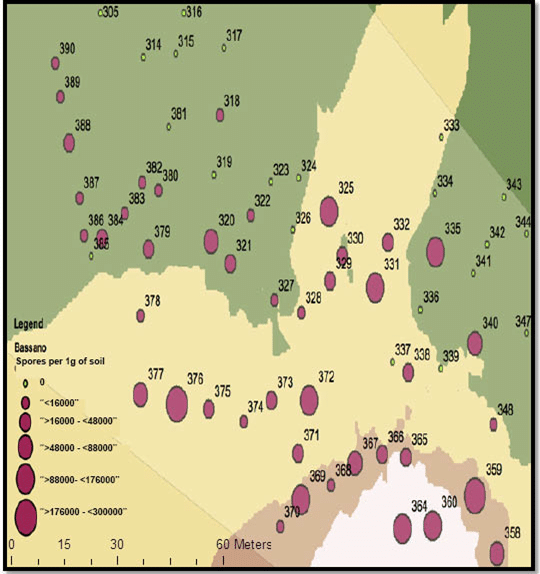
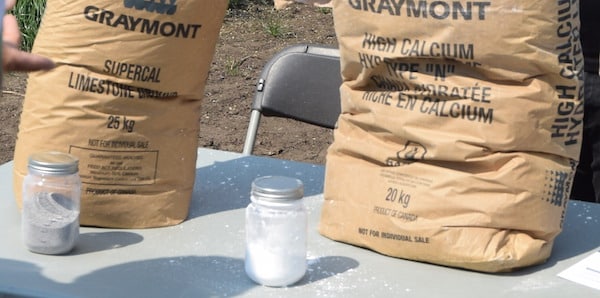
If identified early enough and small enough, patches of soil infested with clubroot-causing Plasmodiophora brassicae can be managed in various ways to reduce the spore load in those patches and prevent clubroot from spreading beyond that patch. This excerpt from a November 2018 Canola Digest article describes patch management techniques:
Why tell people about your clubroot?

Farmers who discover clubroot early and take action should be commended. Not singled out. Not blamed. If you’re the first to find it in an area, it might mean you’re the most observant scouter or that nobody else has been brave enough to report their infestations yet. By coming forward, you and your neighbours have a chance to talk about management objectives early, while spore loads are low.

Clubroot identified in Northern Sunrise County southeast of Peace River

Clubroot has been identified in canola southeast of Peace River in northern Alberta. Although clubroot has been found in various counties in Alberta since 2003, this is the first year the disease has been confirmed in Northern Sunrise County. This fall, Peace Country canola growers should be especially diligent in scouting their canola fields for clubroot and should consider deploying …

How to test soils for the clubroot pathogen

Soil tests for clubroot can have two objectives:
1. Is the clubroot pathogen present? (Yes/No test)
2. What is the resting spore count per gram of soil? (Quantitative test)

Clubroot identified in Rocky View County southeast of Calgary

Clubroot has been identified in a canola field south of Calgary in Southern Alberta. Although clubroot has been found in various counties in Alberta since 2003, this is the first confirmed case of the disease in Rockyview County. For more about the discovery and what to do about it….

When is 'too late' to assess stubble for blackleg?

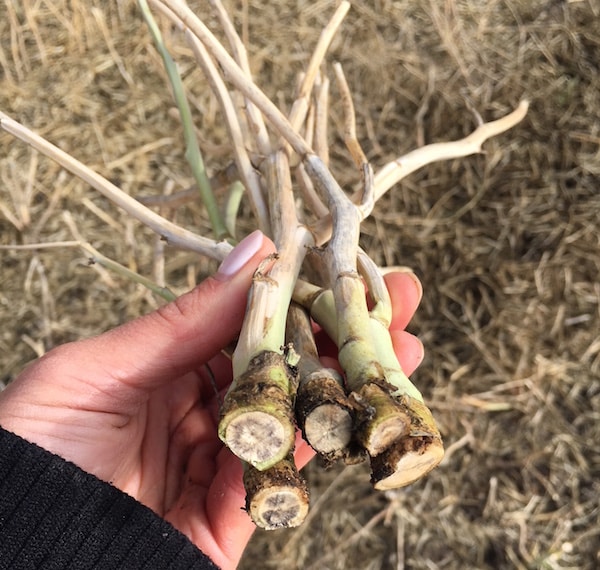
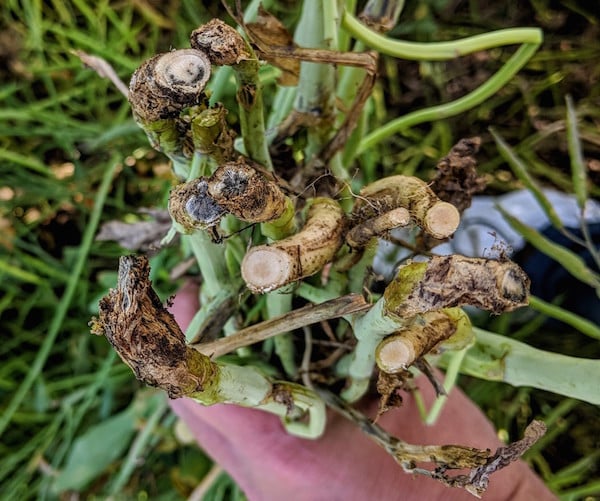
Field observations suggest that blackleg may be increasing in some areas. Official disease survey results for 2018 will be announced at Western Forum October 17-19. In the meantime, farmers and agronomist may still have time to count the percentage of plants that are diseased.

Clubroot management: Harvest theme

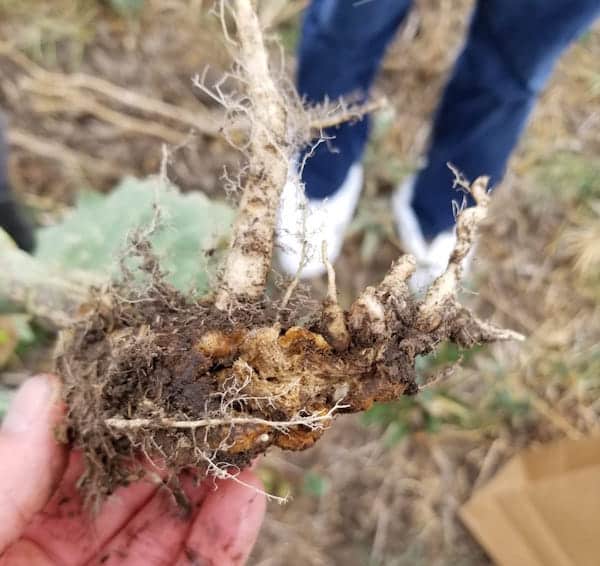
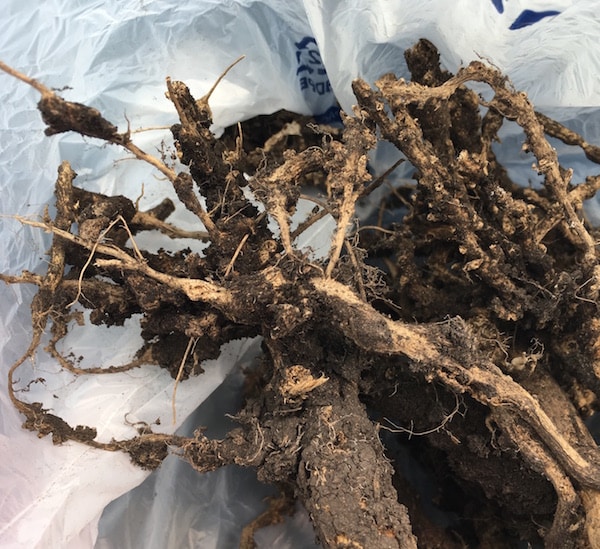
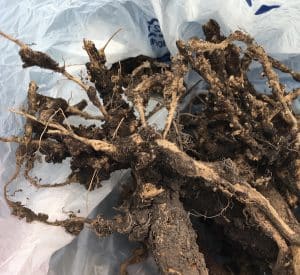
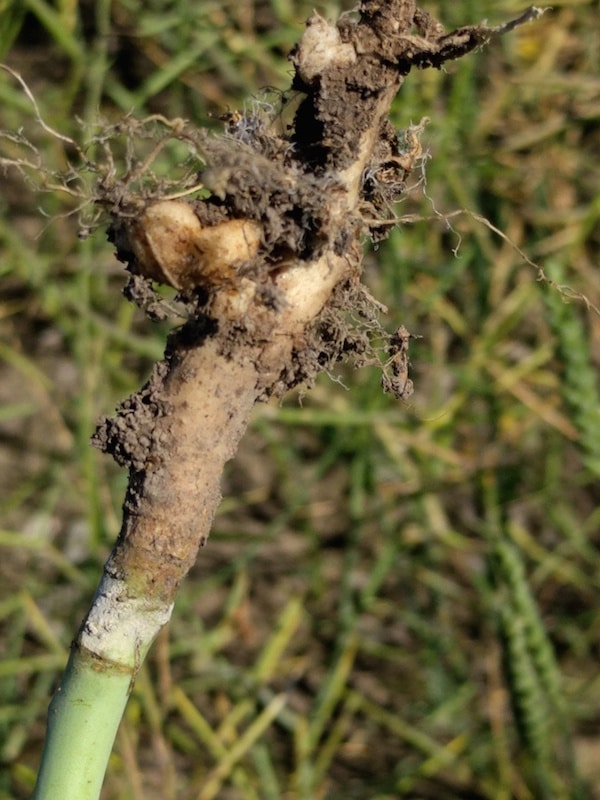
By this time of year, galls may start to break-down. Decaying galls will have a sawdust-like look and texture. If in doubt, send plant samples to a lab.