Clubroot watch begins

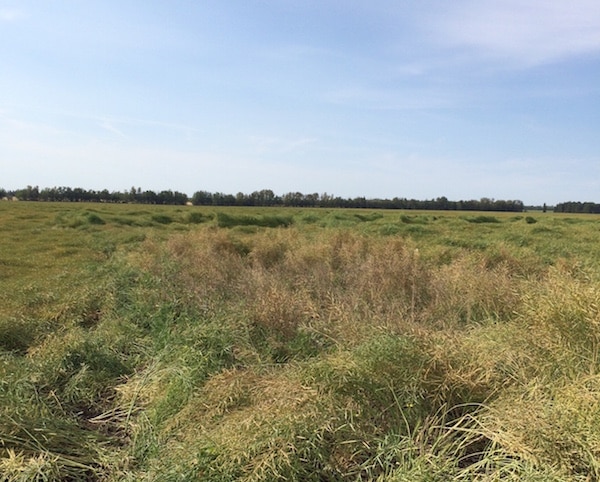
Take a look at the roots of plants that are showing unusual amounts of heat and moisture stress. These plants may be facing premature wilting and even death due to clubroot, and mounting stress from the environment can make these plants stand out even more.

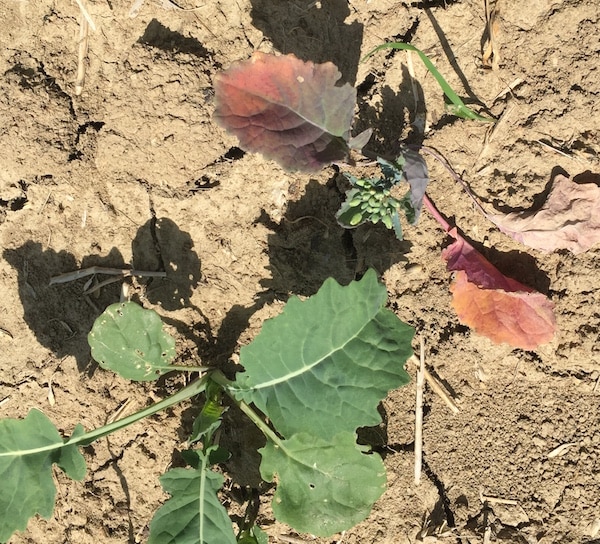
What’s going on with the roots?

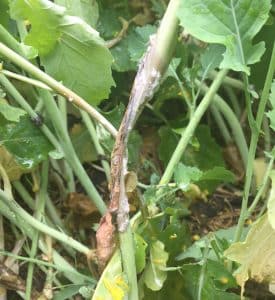
Take a random look at a few canola roots in each field to see what’s going on. Also dig up the root area for plants that look less than healthy for no apparent reason. This plant has foot rot.

The disease triangle: Moisture means sclerotinia

The three points of the disease triangle are host, pathogen and environment. When it comes to sclerotinia stem rot in canola in Western Canada, the disease triangle hinges on one component: Environment.

Sclerotinia stem rot timeline for infection

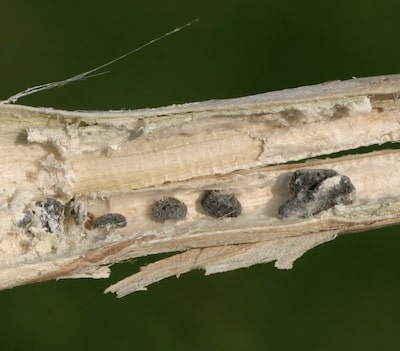
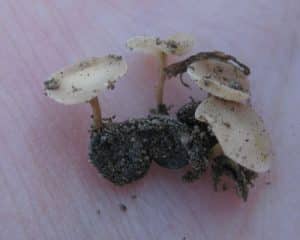
The sclerotinia stem rot infection cycle begins when sclerotia in the soil (left from the last time an infected crop was produced on that field) take up enough moisture to germinate and form little mushrooms known as apothecia. Spores are then released into the air from the mushrooms. Under ideal warm and moist conditions, it takes about two to three weeks for sclerotia to germinate and release spores.

Sclerotinia stem rot: Late and second sprays

If conditions are dry at early flower and then it rains at 40% to 50% flower, spraying at the end of the window may be effective – as long as there was enough moisture before flowering to get apothecia germinating. In this situation, later sprays could be especially effective if moisture also promoted a longer flowering window due to later compensatory growth. With lower seeding rates resulting in more branching, canola fields can be at 50% flower for a week or more.

Sclerotinia: Positive petal test may not mean "spray"

Small amounts of spores can lead to yield-robbing levels of sclerotinia in continued moist conditions. A petal test to confirm the presence of sclerotinia DNA on petals could be used to provide an indication of pathogen pressure at the time of petal collection.

Sclerotinia stem rot timeline for infection

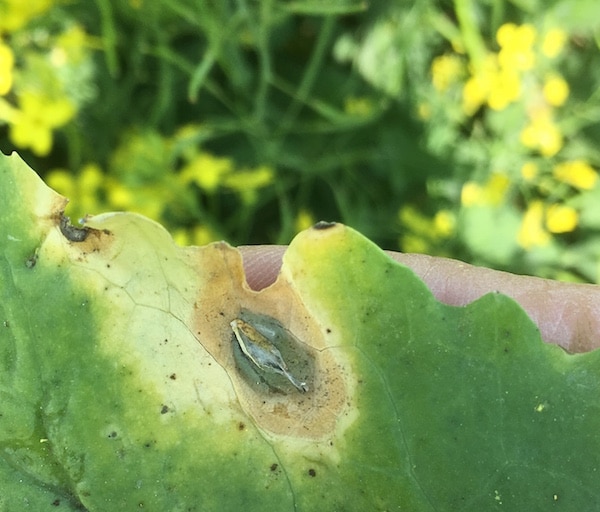
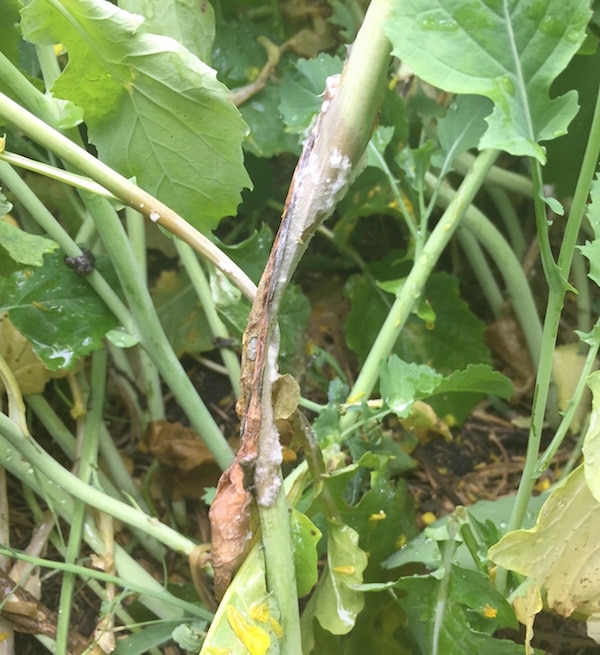
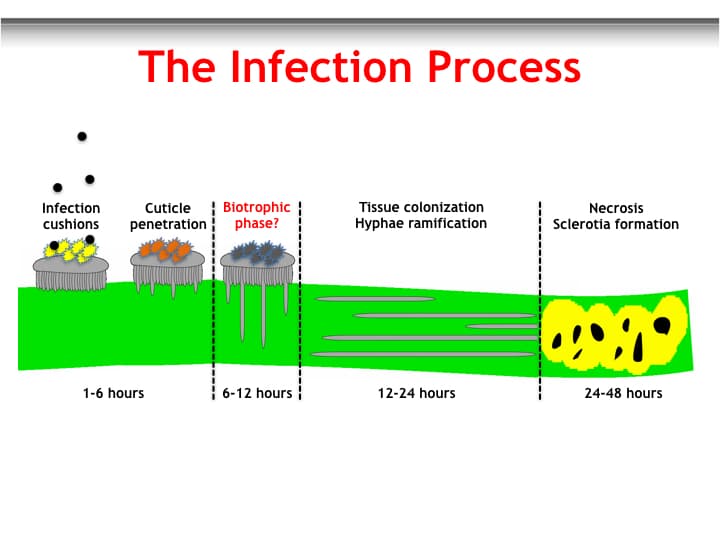
The timeline from when sclerotia in the soil first take on moisture, to apothecia germination, spore release, petal infestation, petal drop and finally canola plant infection takes up to three weeks. This graphic shows the final 24 hours as the fungus on decaying petals enters the plant and creates a lesion.

Clubroot disinfectants: Bleach is best

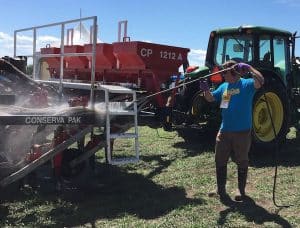
Michael Harding with Alberta Agriculture & Forestry recently compared 10 disinfectant solutions to see which is best to kill clubroot spores on machinery, tires and boots, etc. Four of those 10 products achieved 95% inactivation of clubroot resting spore viability, qualifying them as effective. Of the four, bleach achieved the 95% threshold at very low concentration (2%) and bleach is the lowest cost and easiest to find.