Blackleg stubble test

Discovery Seed Labs in Saskatoon is the first to offer a test of canola stubble to determine (1) if blackleg is present and (2) what race of blackleg it is. This can help farmers and agronomists make proper use of the new blackleg resistance-gene (R-gene) classification system when making seed decisions.
Conversations from canoLAB at FarmTech

The Canola Council of Canada agronomy team held a mini canoLAB at the Alberta Canola booth during FarmTech in Edmonton last week. Three common conversation topics came up as farmers and agronomists visited the booth….

Moving soil, moving clubroot: Machinery reminder

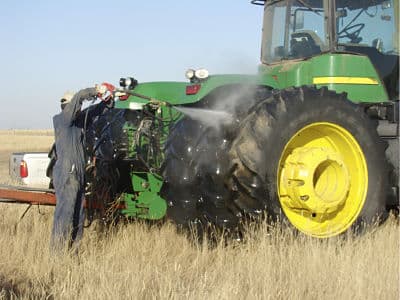
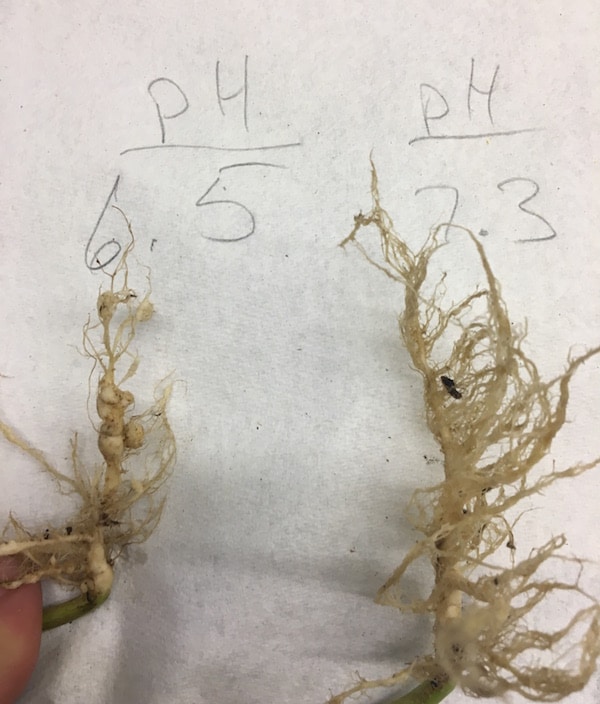
Going to an auction sale this spring? Before bringing home a new machine, check that it’s clean outside and in. Soil on used drills, combines and basically any field machinery could contain clubroot spores.

Clubroot: Responsibilities for agronomists, custom operators and soil samplers

Anyone who moves from field to field has a responsibility to reduce their risk of spreading clubroot (and other pests, including aphanomyces and noxious weed seeds). That means avoiding build up of soil on vehicles and boots and, if the vehicle or boots do get muddy, taking time to remove that mud before moving to another farm.

Clubroot management: Book resistant seed early

Growing a clubroot-resistant variety is an important step in clubroot management for farms with clubroot, for farms in a county, district or municipality with clubroot and for farms adjacent to an area with clubroot.

Blackleg scouting in the fall

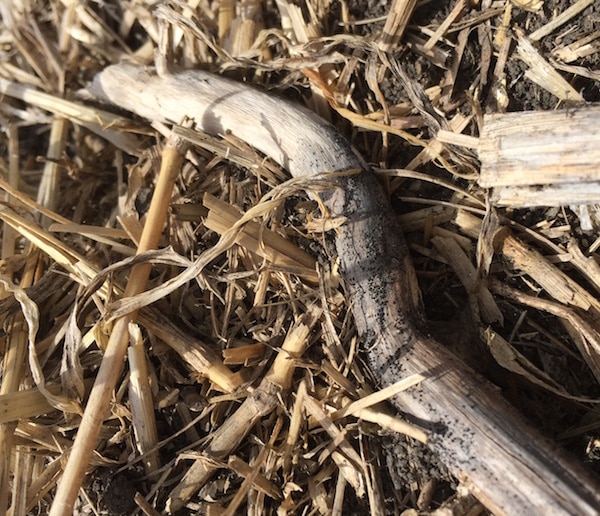
If you missed the swath-timing window to check canola stems for blackleg, you still have lots of time to look for blackleg pseudothecia on old canola stem pieces in fields that will go into canola next year. This can help with seed decisions.

Clubroot: Scouting and CR seed decisions

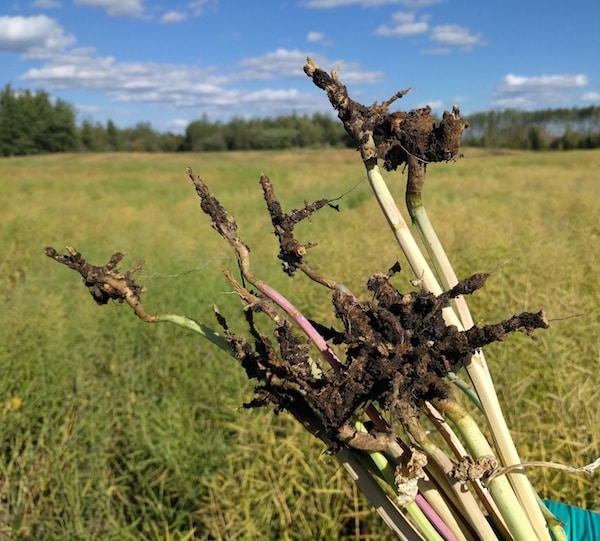
Farmers with standing or just-cut crop still have an opportunity to scout for clubroot. Take advantage of an opportunity to scout while waiting to swath or combine. Although clubroot can be detected for some time after swathing, it becomes more difficult to recognize as galls decay.