Seed: How much blackleg before I rotate resistance?

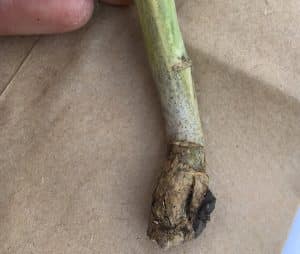
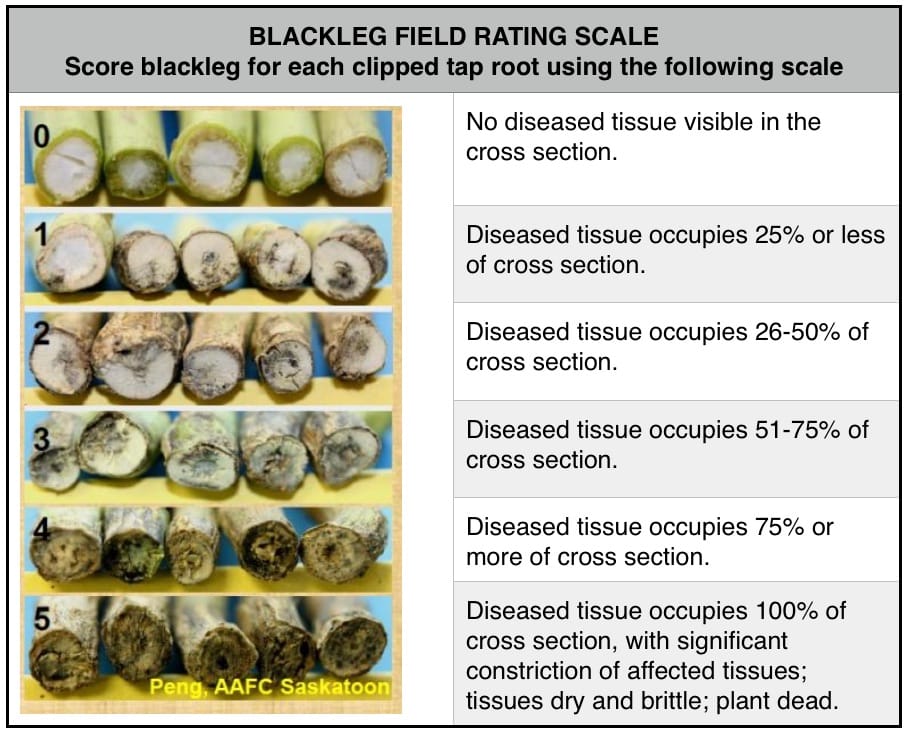
If one in 10 plants has a blackleg rating of 2 or worse, this is a clear sign that the blackleg pathotypes in a field do not align with the blackleg resistance (R) package in the particular hybrid grown. While yield loss in this situation may not be significant (each affected plant will have at least 40% yield loss, but …
Clubroot: How to scout

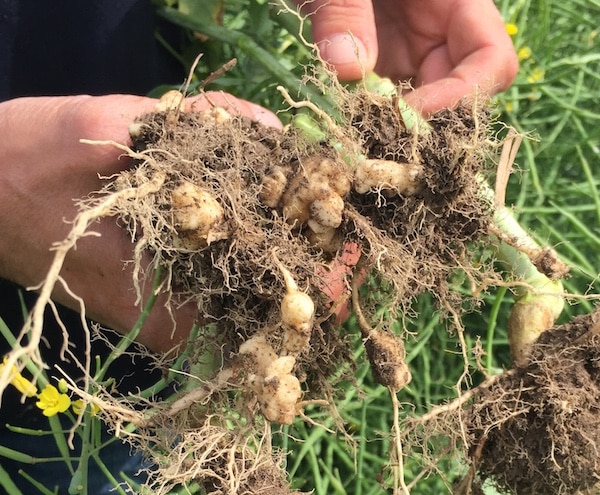
When plants are still living, galls are white and fleshy, like a potato. Large galls can be the size of a plum, and grape-sized galls are common.

Clubroot: How to manage the disease

If clubroot is present in a field, then take measures to prevent the build-up of spores to limit yield loss in future canola fields. To prevent the build up…

sclerotinia stem rot (disease) in canola

Pre-harvest disease scouting: 8 diseases to look for

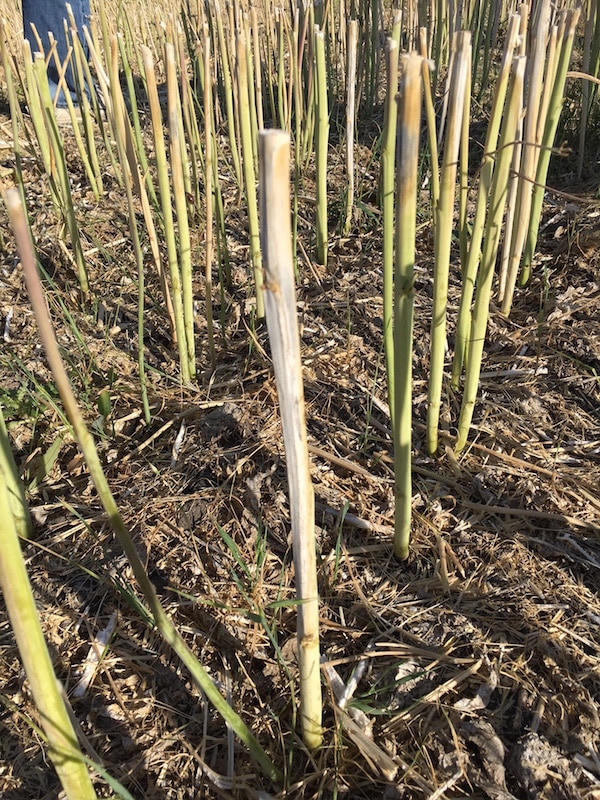
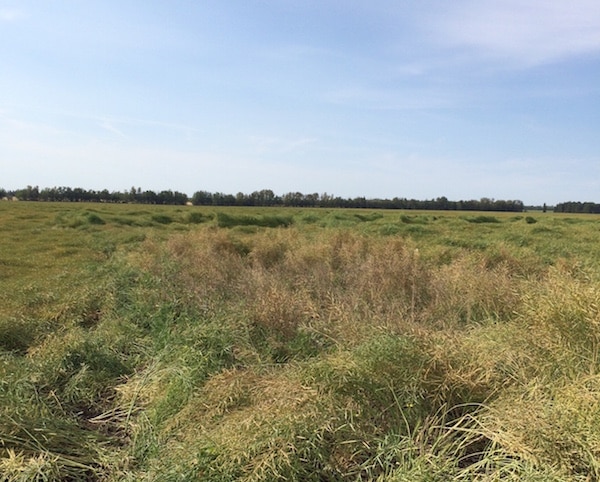
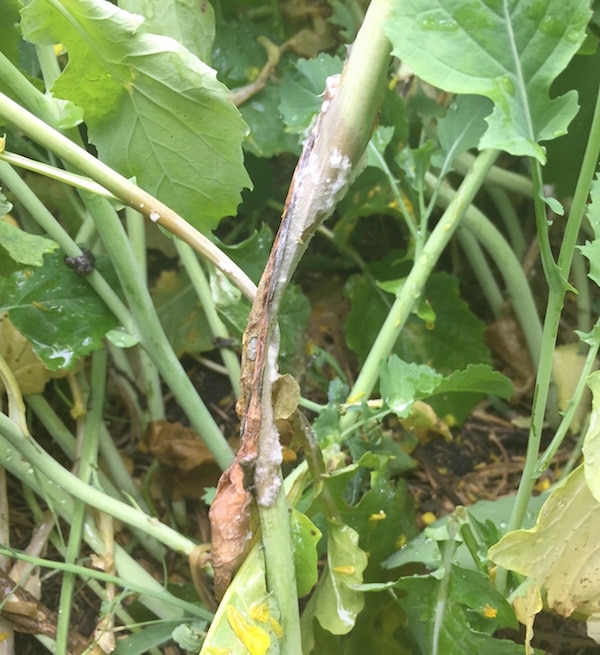
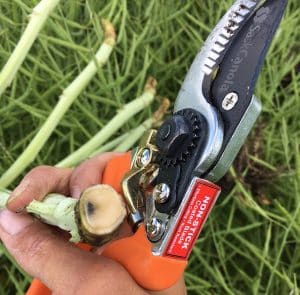
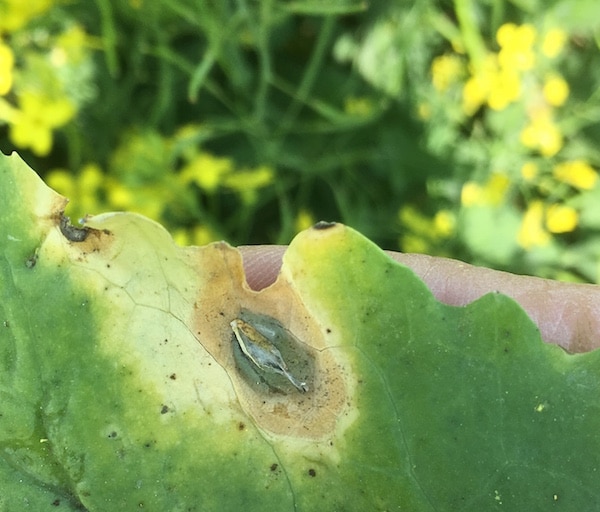
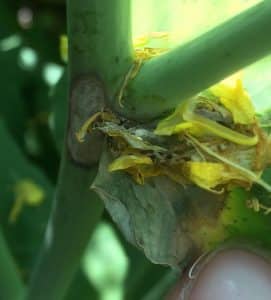
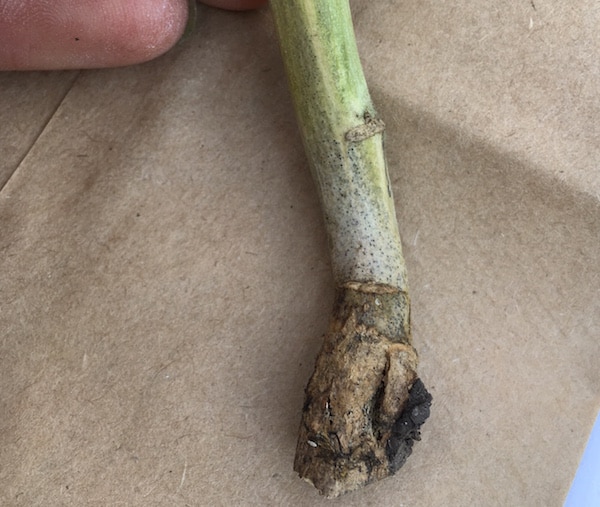
Diseases are usually easiest to see and diagnose at this stage of the season. The photo shows blackleg in a clipped canola stem. Patches of dying or prematurely-ripening plants are obvious areas to scout (and show up really well with drone images), but even clean-looking fields can provide some early warning if you take time to look.

Sclerotinia: Late-window sprays

If conditions are dry at early flower and then it rains at 40% to 50% flower, spraying at the end of the window may be effective. This would be especially true if moisture also promoted a longer flowering window due to later compensatory growth.

Sclerotinia petal test

Small amounts of spores can lead to yield-robbing levels of sclerotinia in continued moist conditions. A petal test to confirm the presence of sclerotinia DNA on petals could be used to provide an indication of pathogen pressure at the time of petal collection.