Blackleg survey results from 2016

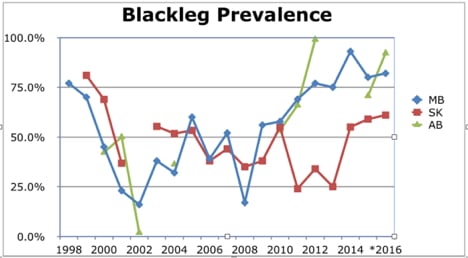
Each Prairie province does its own disease survey most years. The Manitoba Canola Disease Survey has been happening for over 15 years and tracks a variety of diseases. Alberta’s survey the past few years has mainly been focused around monitoring the spread of clubroot. Blackleg results are based on prevalence, incidence and severity — but what do these words mean?
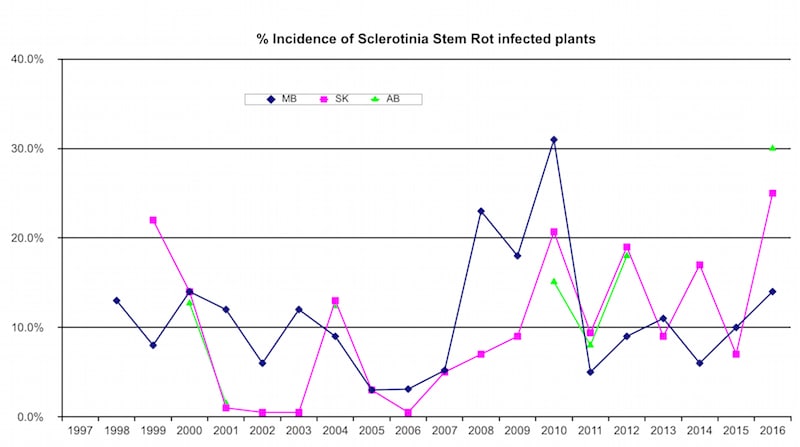
Pest survey results for 2016

Around 90% of surveyed fields had some sclerotinia stem rot in 2016. This graphs shows the percentage of plants infected (incidence), by province.

Results from the disease survey show increases in sclerotinia stem rot incidence. Blackleg incidence is down from 2015 in Manitoba and Saskatchewan and up in Alberta.

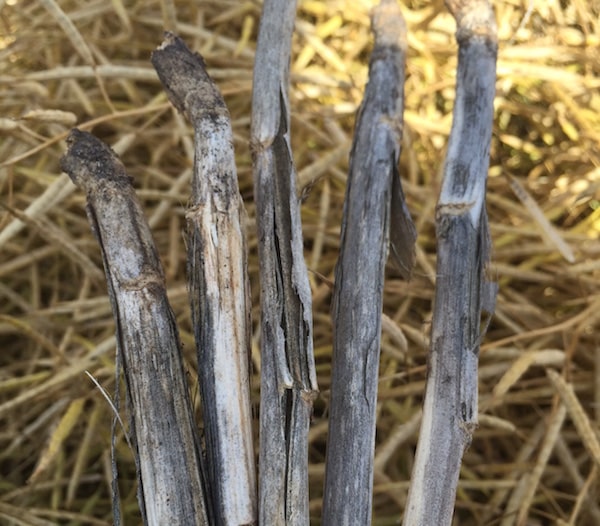
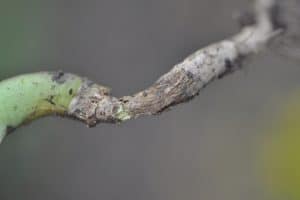
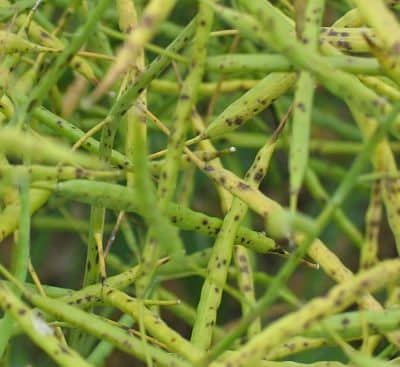
Late season verticillium stripe symptoms: Peeling outer layer of skin with tiny black specks called microsclerotia.

Post-harvest scouting for verticillium and other diseases

Verticillium on canola stems. Credit: Justine Cornelsen

Disease scouting long after swathing is not usually the most accurate, as saprophytic organisms — those that feed on and break down dead material — move in fast and cloud the identification process. Verticillium is one disease that can be more obvious and easier to identify after cutting a canola crop.

Disease scouting at harvest

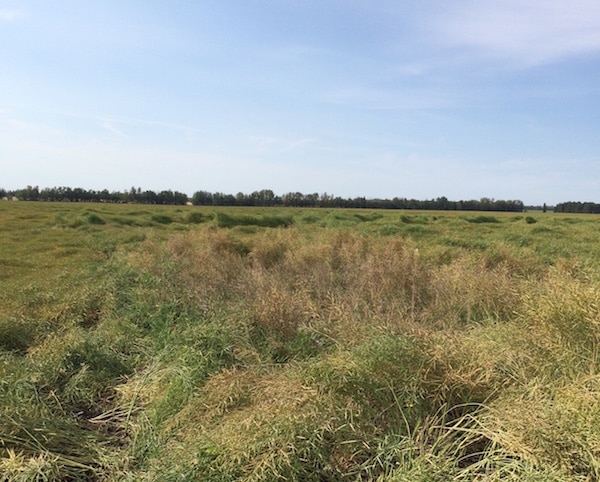
Harvest is a great time to assess the incidence and severity of canola diseases, an important step in management for next year.

What do I do about ruts?

We know that tillage will spread clubroot as well as weed seeds and verticillium, but ruts can create headaches for combining, fall spraying and seeding next spring. Working wet fields can also cause compaction.

Canola Watch quiz – clubroot

Jay Whetter Leave a Comment

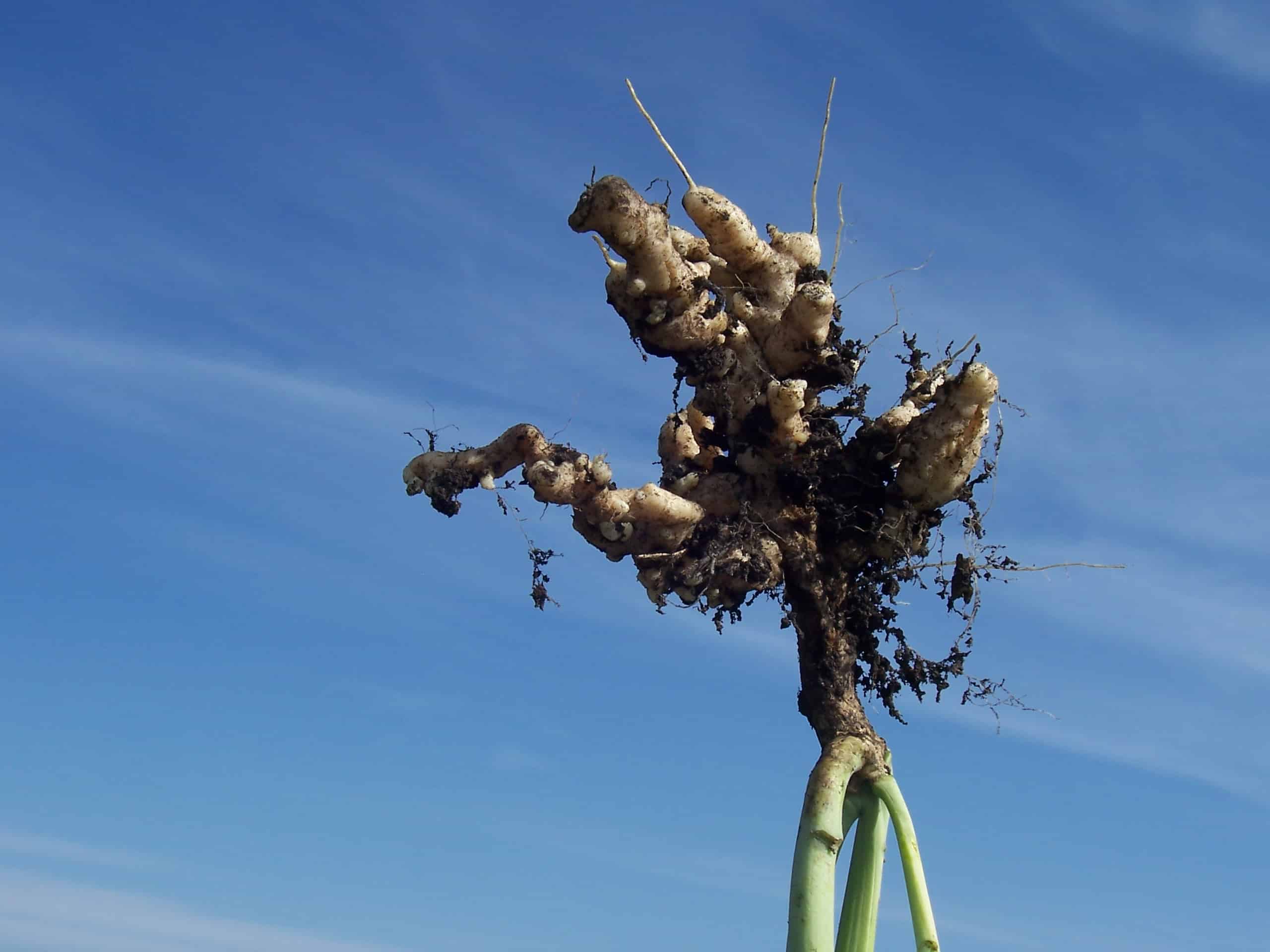
Check pre-mature ripening areas for diseases, digging up roots to look for galls. Credit: Dan Orchard

Keep a look out for clubroot, and take care to slow the spread of soil away from these infested areas. This quiz gives you a few numbers to think about….

Disease load lowers yield expectations

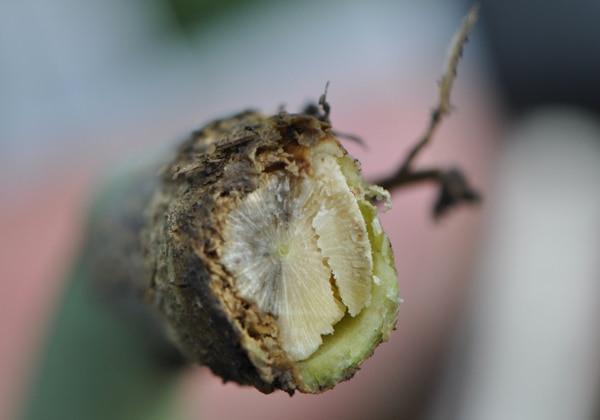
Clipped cross section shows blackleg at the base of the stem. Credit: Clint Jurke

After a moist spring and summer in many areas, disease levels in harvest canola could be high this year — even for fields that received a fungicide.

Yield damaging clubroot in CR varieties

clubroot

More than 10 clubroot pathotypes have been identified in Alberta, and clubroot-resistant (CR) varieties will not protect against all of them. CR varieties with the same source of resistance grown in a short rotation will quickly select for those pathotypes that are virulent to those varieties. With good moisture for clubroot this year, many fields of CR canola are showing high levels of clubroot infection.

Swath timing and disease

Alternaria infection

With blackleg, sclerotinia stem rot and clubroot, base the swath timing decision on healthy plants that will contribute to yield. One exception where early swathing could provide an economic benefit is the case of severe alternaria black spot (shown).