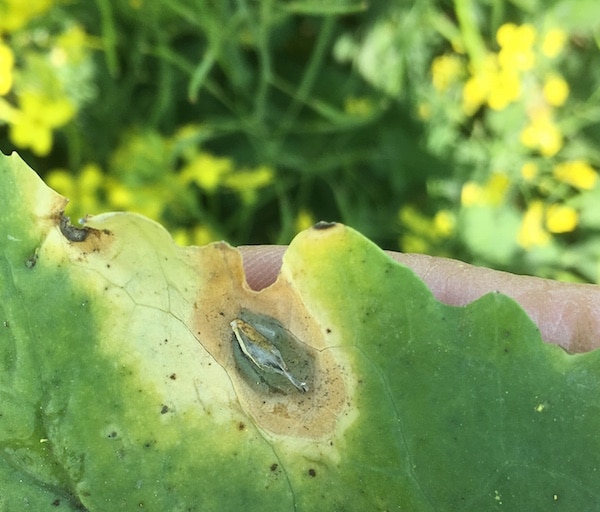
July 19, 2017 Sclerotinia: Late-window spraysIf conditions are dry at early flower and then it rains at 40% to 50% flower, spraying at the end of the window may
July 19, 2017 Sclerotinia petal testSmall amounts of spores can lead to yield-robbing levels of sclerotinia in continued moist conditions. A petal test to confirm the presence of sclerotinia
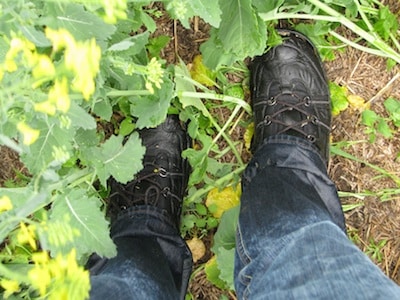
July 19, 2017 See dying patches? Could be clubrootCheck patches of prematurely ripening canola for signs up disease. Dig up roots to check for clubroot galls. Early infection at the seedling stage
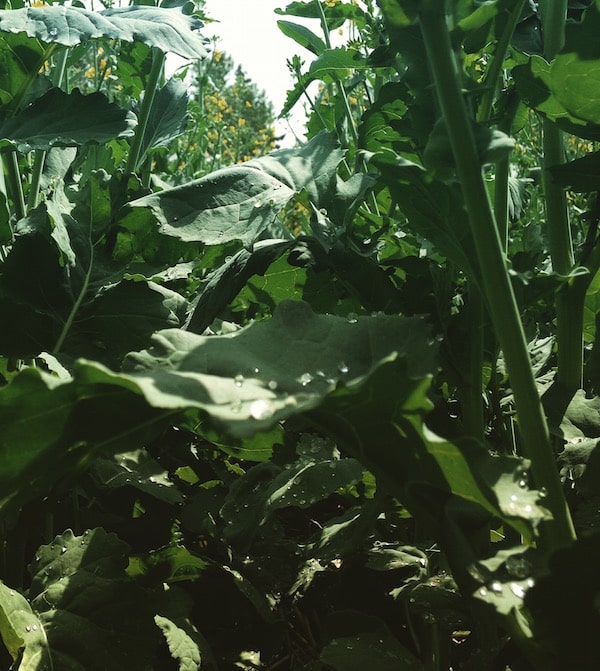
July 6, 2017 Sclerotinia stem rot … hot weather, variable crops, late spraysHot and dry or hot and humid? Hot, dry weather should reduce the risk of heavy sclerotinia infection, even if moist weather earlier promoted
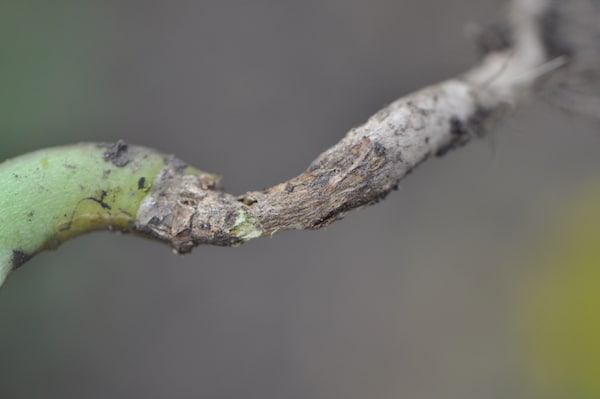
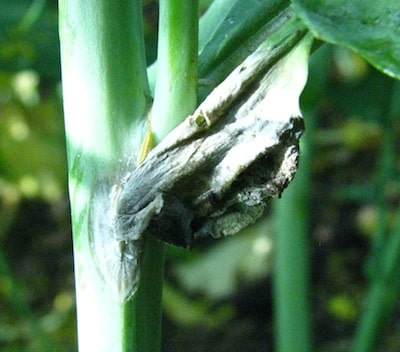
July 6, 2017 Blackleg, foot rot or cutworms?These can be hard to tell apart sometimes. Pinched or otherwise damaged-looking stems can occur with all three. The photo shows blackleg infection. Here’s
June 28, 2017 Sclerotinia stem rot: Dry early, now moist. What’s the risk?If conditions were dry, then turned wet, the sclerotinia risk depends on when this transition occurred. Early dry weather doesn’t matter as much as
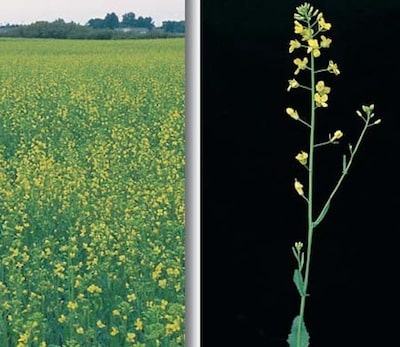
June 28, 2017 How to count 10% to 50% flowerAs a rough estimate, the 20% flower or “bloom” stage is when the main stem has around 15 “flowers”. Canola can reach 20% bloom
June 22, 2017 Sclerotinia stem rot: Risk factors and spray timingPrevalence of sclerotinia stem rot has a direct correlation to above-average moisture. If a field has regular rains or high humidity or both from
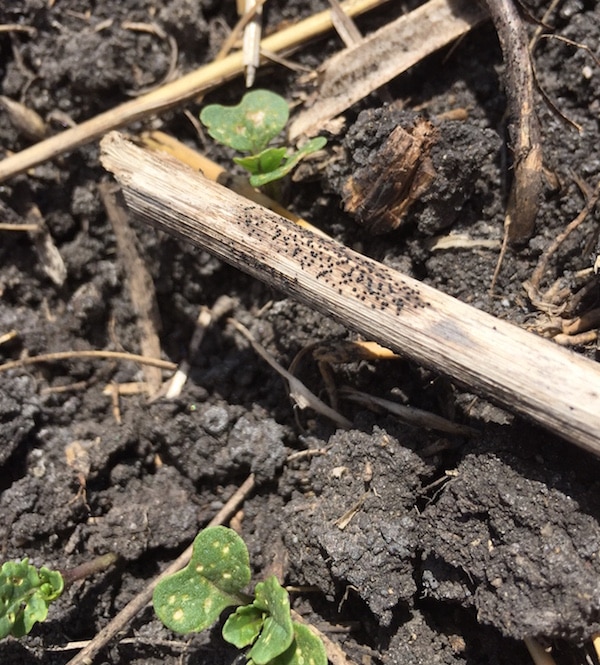
June 14, 2017 Blackleg: Early scouting and fungicideFor fungicide to provide an economic level of blackleg suppression, the crop has to be susceptible to the disease, blackleg incidence and severity must
May 10, 2017 Muddy fields and clubroot spreadThose same moist fields that have delayed spring harvest as well as seeding in central Alberta (and some other regions) also mean more mud
May 3, 2017 Clubroot: Sanitizing used equipmentMake sure soil is cleaned off any used equipment recently purchased from areas known to have clubroot. This is good biosecurity practice. Ideally, this
April 5, 2017 What’s new in blackleg management?Using the same disease resistance genetics over and over causes a shift in pathogen population, which can then overcome the resistance in our varieties