Start scouting the week after seeding

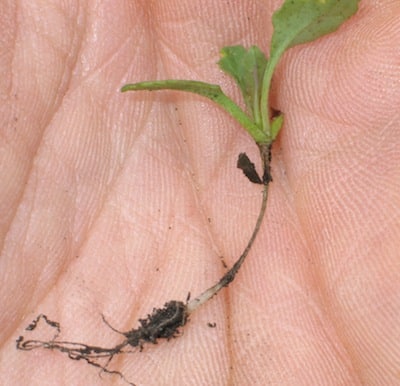
The week after seeding is a good time to dig up seeds and seedlings to check for rots and blights. Disease damaged seed and seedlings die quickly, and may be gone within a few days, which is why this timing is important to an accurate diagnosis. For the first 21 days after emergence, scout regularly for flea beetles, cutworms, weeds, frost and many other possible threats to canola at this vulnerable stage.
Clubroot BMPs for agronomists

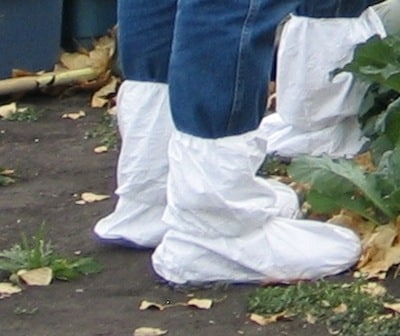
Booties small

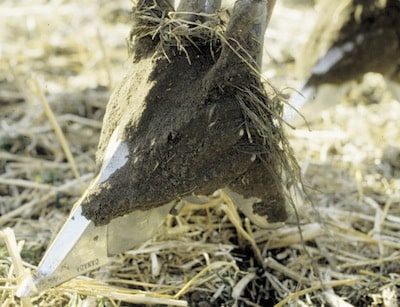
Agronomists and other staff traveling from field to field are encouraged to use the following best management practices (BMPs) to avoid spreading clubroot-infested soil. 1. Park on the road or in a grassed approach. 2. Wear plastic or Tyvek disposable booties over existing footwear. 3. Rubber boots worn without booties must be cleaned before leaving the field.

Clubroot Workshop for growers, agronomists, municipal staff

The International Clubroot Workshop June 19-22 in Edmonton includes one day — Friday, June 21 — dedicated to clubroot extension. This is the day when growers, agronomists, municipal and county staff learn the latest in clubroot management, prevention and mitigation. Cost is $150 per day, and you are welcome to attend the whole workshop, space permitting.

Moving soil, moving clubroot

The highest risk operation to introduce and spread clubroot is the one that moves the greatest amount of soil throughout the farm and across the countryside. Field equipment carries a lot of soil, which is why equipment sanitation is an important way to contain the disease. Others common ways to move soil include utilities companies working from field to field, any other people or vehicles in fields, and wind. No-till will reduce soil movement by wind.

Rotation’s role in clubroot management


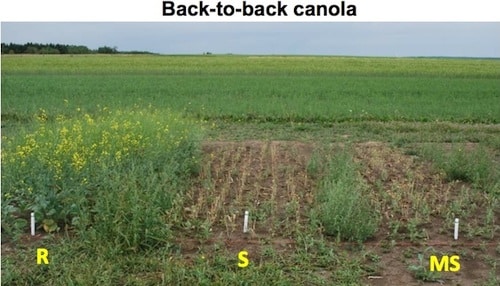
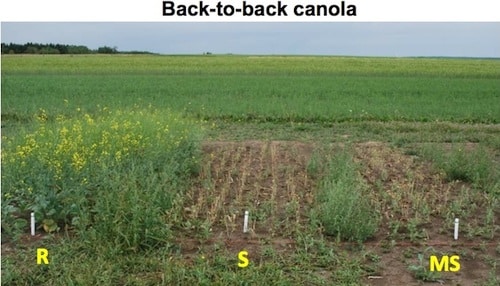
These photos from canola plots grown in clubroot-infested soils in Quebec show how rotation, especially for MS and S varieties, improves yield. Rotation also plays an important role for growers relying on R varieties in clubroot infested fields. Short rotations using resistant varieties will select quickly for clubroot pathotypes that are not controlled by the genetic resistance. This can rapidly eliminate the value of the resistance trait on those fields.

How to use the Canola Diagnostic Tool

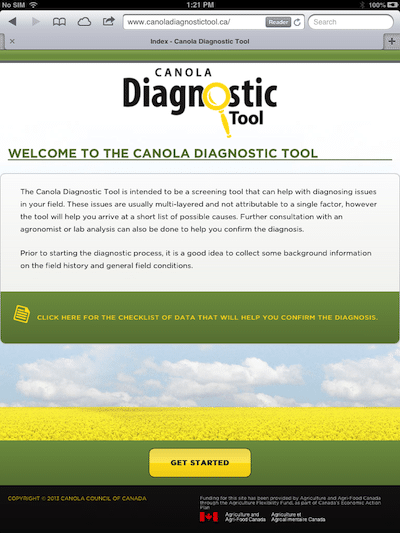
Give the brand new online Canola Diagnostic Tool a pre-season test drive at www.canoladiagnostictool.ca. Start with a problem scenario that you encountered in a canola field in 2012, and work through the tool to see what potential causes it provides. Read the cause descriptions and “ways to confirm” to determine which cause is most likely.

Blackleg management: FarmTech message

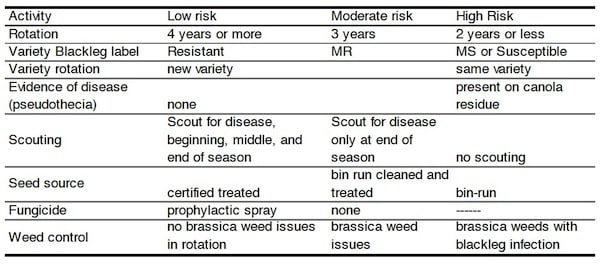
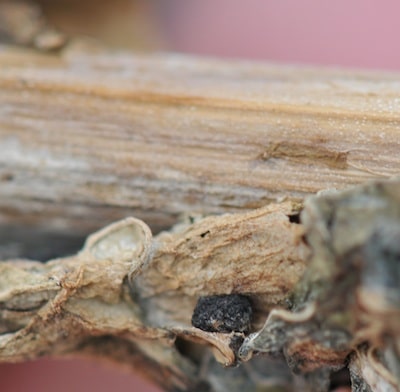
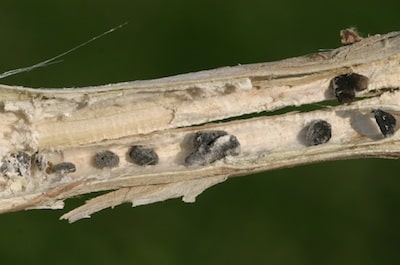
Keys to blackleg management: 1. Assess your risk and avoid planting into a high risk situation. 2. Add diversity to your operation by rotating crops, canola varieties and fungicides. 3. Learn to identify blackleg and assess disease levels in your fields.

Agriculture labs

Here is a list of labs that service canola growers in Canada. Labs are organized under the following headings: Soil nutrient analysis, Plant tissue nutrient analysis, Seed quality tests, Disease diagnostic on plant tissue, Soil analysis for clubroot, Herbicide resistant test for weeds, Herbicide carryover in soil, and Pesticide residue in plant tissue

Sclerotinia stem rot management

—All areas of the Prairies are at risk. Geography does not provide immunity to this disease.
—Prevalence of sclerotinia stem rot has a direct correlation to above-average moisture. If a field has regular rains or high humidity or both from two weeks before flowering and through flowering, then infection will occur. If these conditions continue after flower, severity of the disease will be high and yield loss will be significant.
—If these conditions are present and canola has yield potential of 30 bu./ac. or greater, then a fungicide application at 20-30% flower is warranted. Fungicide may also pay for yield potential below that level.
—Swath based on the best time for the healthy plants, not the diseased plants.

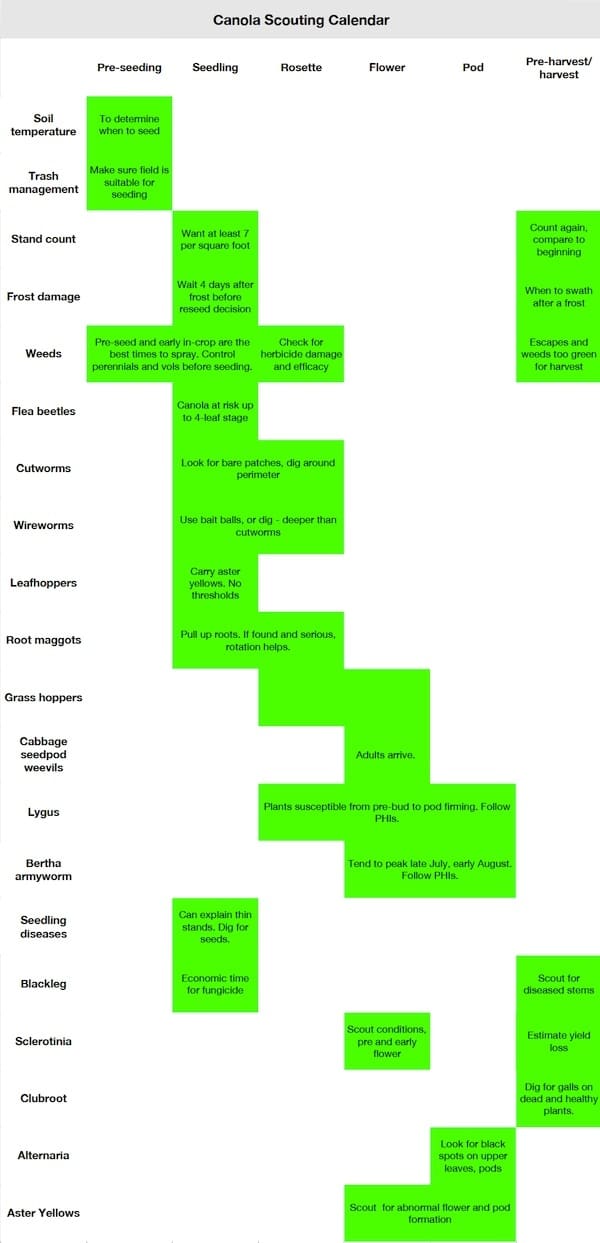
Scouting calendar

This calendar shows you the major pests and problems to look for in canola at each point in the season.