Find the right agronomist

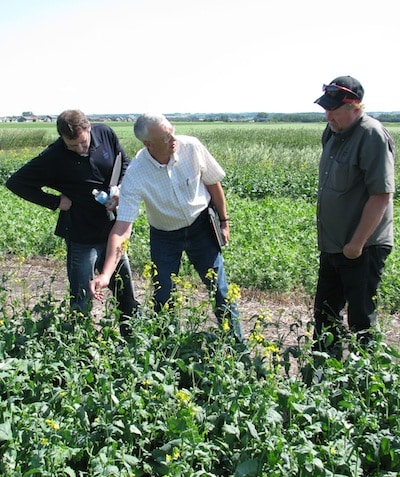
Growers who do not have the time for timely scouting may want to hire an agronomist to support their own scouting program. Most agronomists are also pressed for time, and may not be able to spend one to 2 hours a week scouting each canola field, but agronomists can supplement the time growers spend scouting, and provide experience and skills to help growers make informed decisions about weed, disease or insect control, stand establishment issues, reseeding after a frost, or harvest timing. Here are some tips to help growers find the right agronomist:
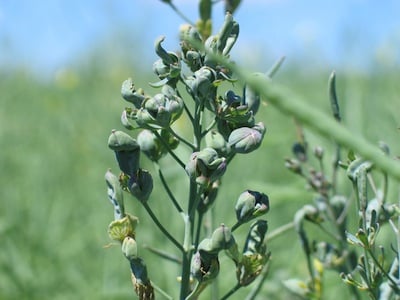
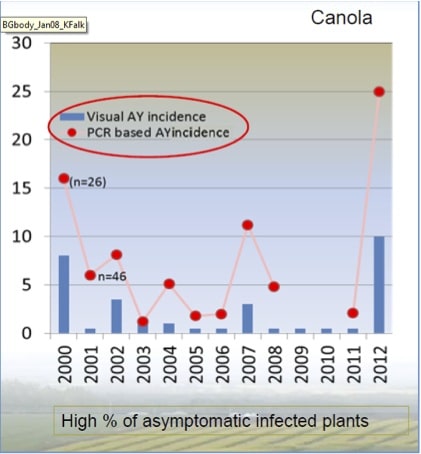
aster yellows disease in canola

Aster yellows Q&A

Sclerotinia and blackleg remain the top two most important canola diseases, but aster yellows are a hot topic after a bad year in 2012. The Canola Council of Canada agronomy team came up with the following 10 questions about aster yellows. Chrystel Olivier, research scientist with Agriculture and Agri-Food Canada in Saskatoon, answered them the best she could given what is currently known about the disease.

Fall field work for canola growers

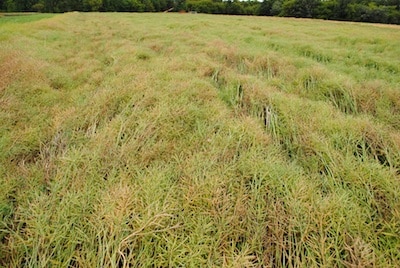
A long fall provides a few extra weeks to look back on the year that was — to reassess plant stands, fertilizer rates and disease levels. A long fall also gives growers an opportunity to control weeds and distribute residue in fields planned for canola in 2013.

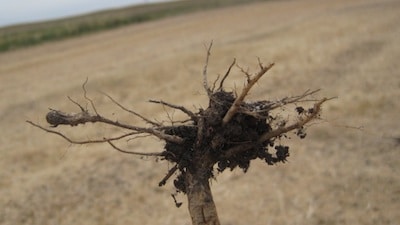
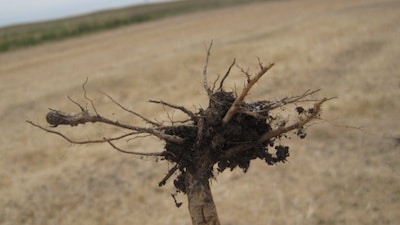
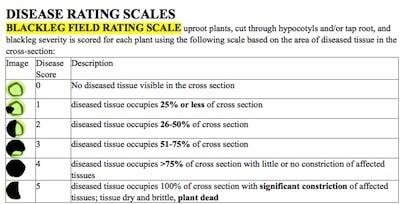
How to ID blackleg

High levels of blackleg have been found in some canola fields this year. Quite likely blackleg was present the last time canola was grown on these fields but went undetected based on a lack of obvious yield losses. Just before or while swathing are the best times to check plants for blackleg and other diseases. Uninfected parts of the plant still have some green colour, making discoloration due to disease infection easier to see. Read more for blackleg identification tips and helpful photos.

Canola yielded lower than expected. Why?

Growers and agronomists may be able to find clues to explain lower yields by looking at the plants, pods and seeds. Did the pods form? Did pods fill properly? Are seeds there but small or shriveled? Read more to see what these may mean, and what can be done to reduce these losses next year.

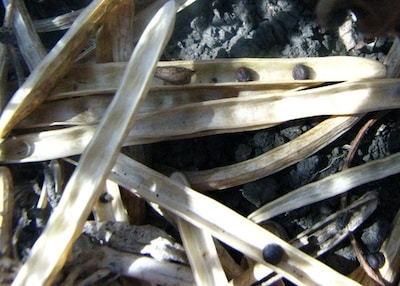
Diseases to look for while harvest scouting

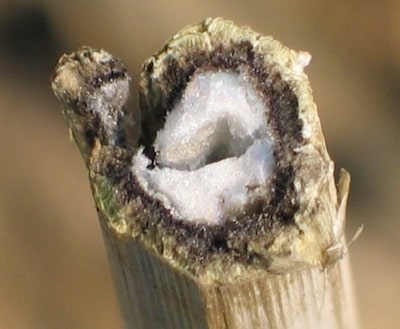
Pre-harvest is a good time to scout for disease severity. The photo above shows severe sclerotinia infection. This article includes sclerotinia and various other diseases to look for.

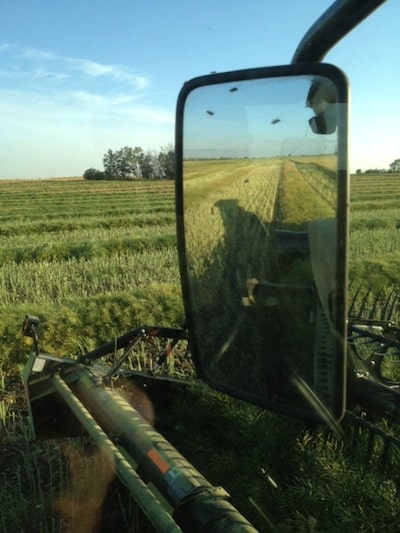
Disease assessment at swathing

When doing their own disease surveys, growers may find it easier to check crops while swathing. Stop at five random spots in the field while swathing and check 20 standing plants at each spot. This will give you a good idea how much of the field actually had sclerotinia or blackleg or clubroot, for example.

Pre-harvest scouting for disease

Pre-harvest is a good time to scout for disease severity. Fields with lots of diseased plants may also be poorer candidates for straight cutting due to the increased shattering risk. Read more for tips on how to identify blackleg, sclerotinia and alternaria.

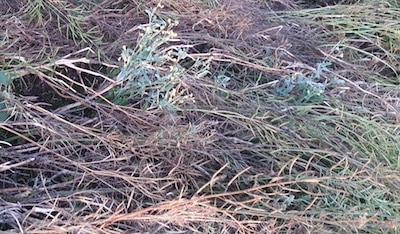
Harvest tips for diseased crop

If infection rates are high, determine where most of the yield is. If it’s in the healthy plants, then make harvest decisions based on what’s best for the healthy plants. That means swathing at 50% to 60% seed colour change for ideal yield and quality. If most of the yield is in the infected plants, then earlier swathing — at 30% to 40% seed colour change — may be more appropriate.

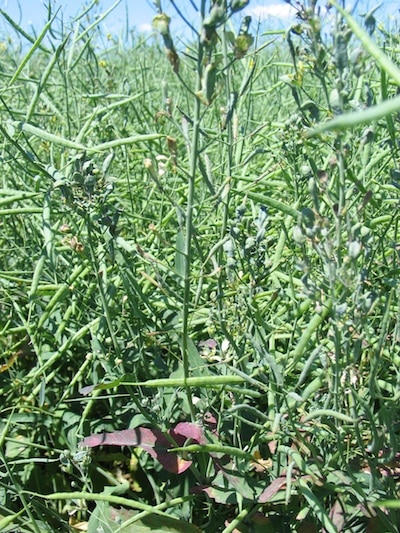
Purpling caused by aster yellows disease in canola

Aster yellows and healthy looking plants

Late or mild infections of aster yellows could lead to poor seed set in normal-looking pods. Stress from aster yellows can also sometimes lead to purpling or may aggravate sunscald.