We don’t really know how much frost (temperature, duration) would be equivalent to an application of diquat (Reglone), but we do know that in cool conditions, diquat may not actually work that well.
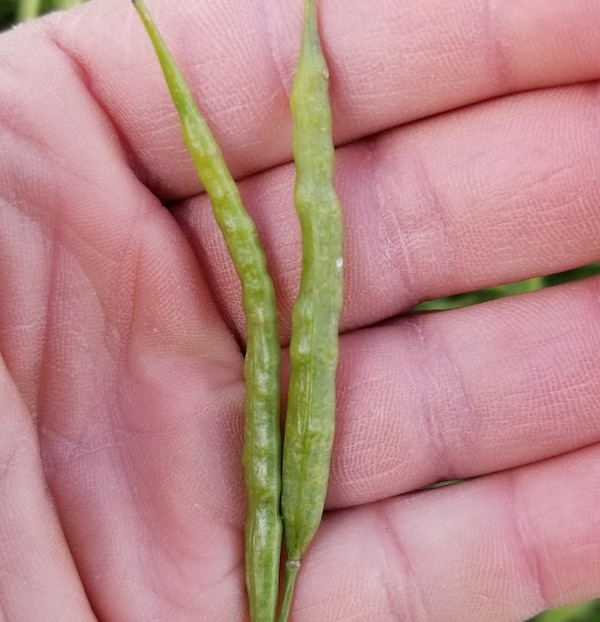
Scenarios: Swath or straight combine?

Would you choose to swath or straight combine a canola crop…when the stand is uneven? When the crop is lodged? After a heavy frost? When you want to combine sooner?
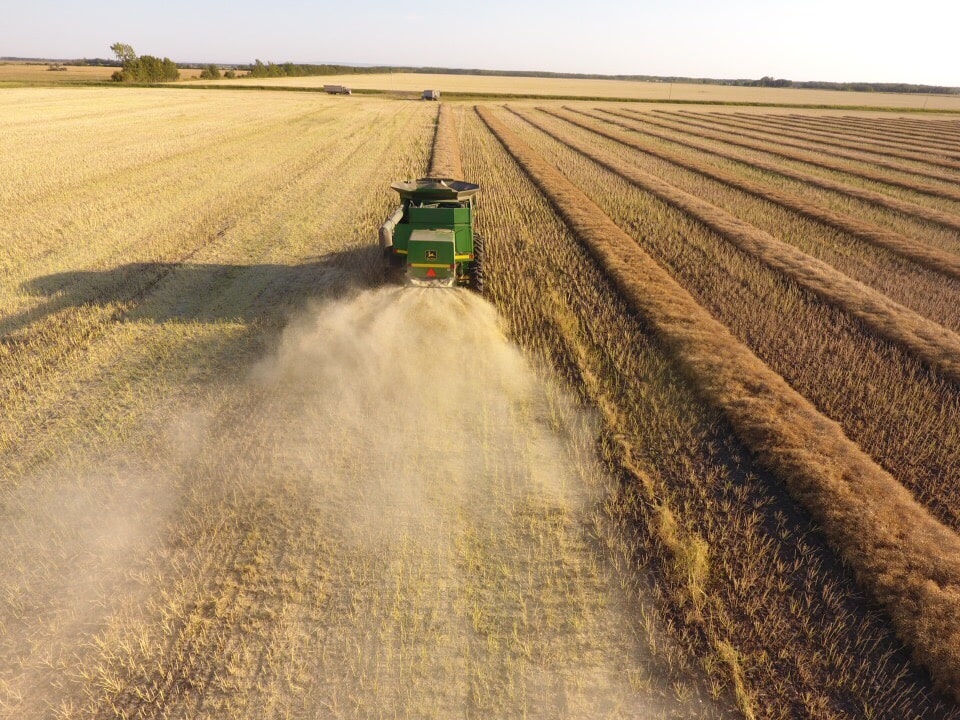
How to reduce combine losses

This article explains how to measure losses, and then how to set the combine to reduce losses.
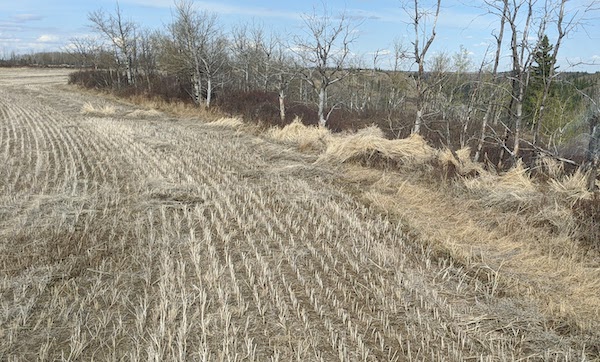
Cut height and residue spread can improve stand establishment

Give your future seedbed a good start by managing residue this fall. The combine is a key part of this process.
Timely harvest topics: Loss management, wind, dockage and more

A lot of harvest-related topics are top of mind this week, including high winds that are blowing around canola swaths. See our tips on how to limit wind damage to swaths, and well as a few things to consider if swaths have blown.
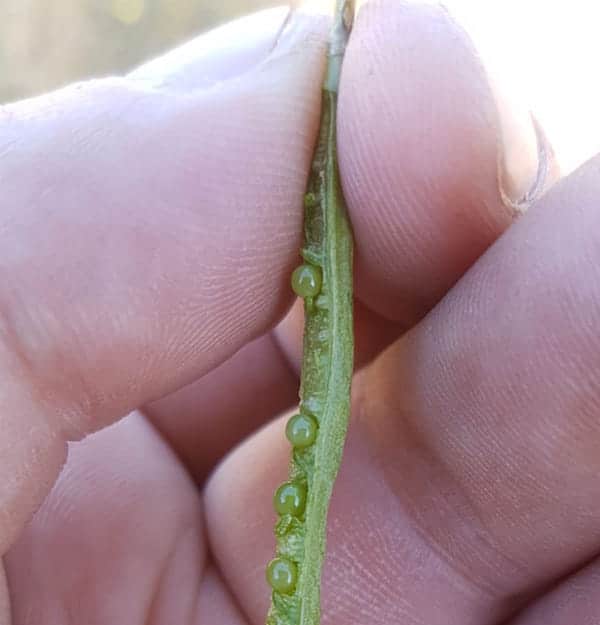
Fall frost hits canola. What do you do?
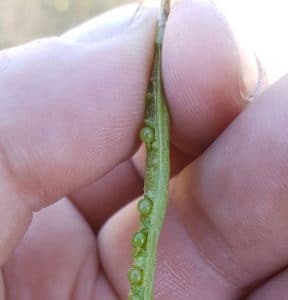
Default to waiting. Don’t make a snap decision to swath. Before taking any harvest action, start with this sequence….
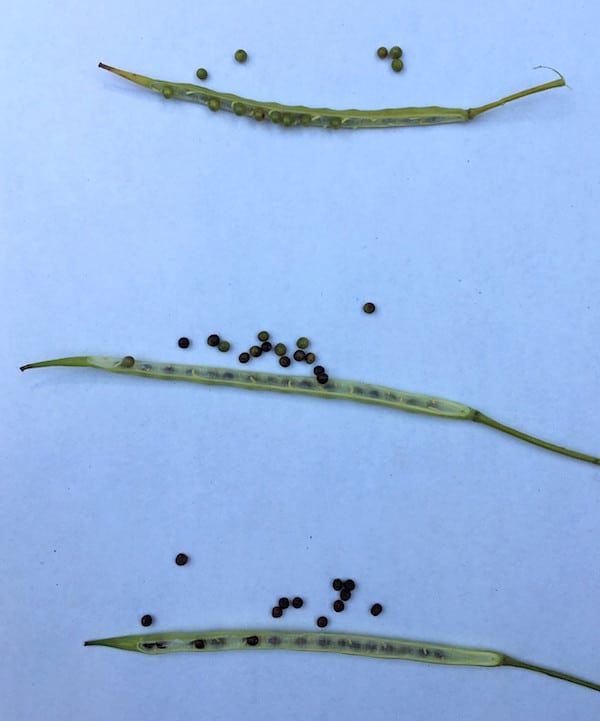
Swath timing: What is 60% seed colour change?

Always inspect seeds in side-branches as well, particularly in fields with low plant populations that have a large amount of branching.
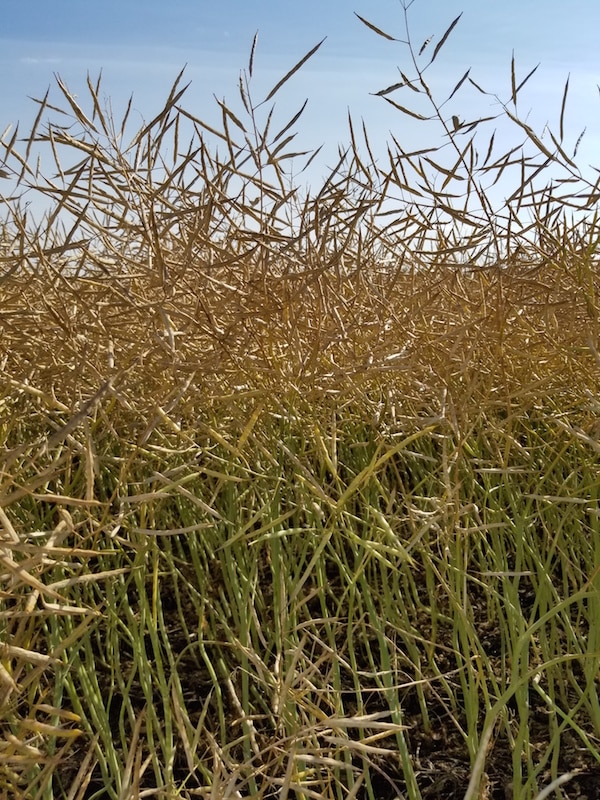
Straight combining: Three timing scenarios

How many days delayed am I going to be with straight combining versus swathing? It depends on your expectation of “ready”. This article describes three scenarios.
How to reduce combine losses
Measure combine losses and then make adjustments to limit those losses. This puts more canola in the bin and reduces the volunteer canola seedbank in your fields.
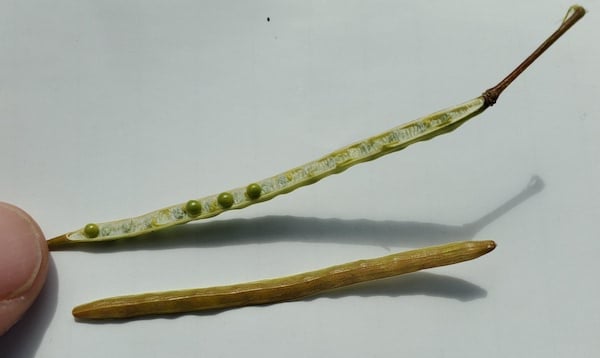
Swath timing: Have enough seeds turned?

Once canola plants are swathed, the seed does not continue to fill. Seed that is swathed before accumulating its full complement of oil and protein will not accumulate any more after swathing, resulting in potential yield loss.