A pre-harvest spray to help prepare canola for straight combining may not be required if hot, dry days allow for dry down of the crop and weeds. Two recent studies from Western Canada found cases where these applications were not necessary.
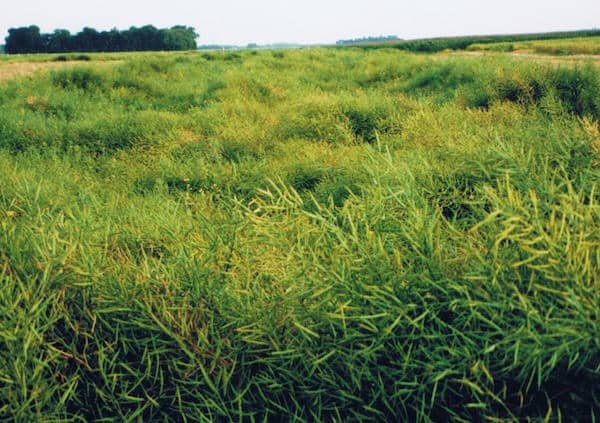
Why does canola lodge?

Lodging is when plants fall over, making them more difficult to harvest. Key plant characteristics that affect lodging risk are the strength of the stem and anchorage, canopy height and canopy weight. Length and stiffness of the tap root is an important characteristic determining anchorage strength.
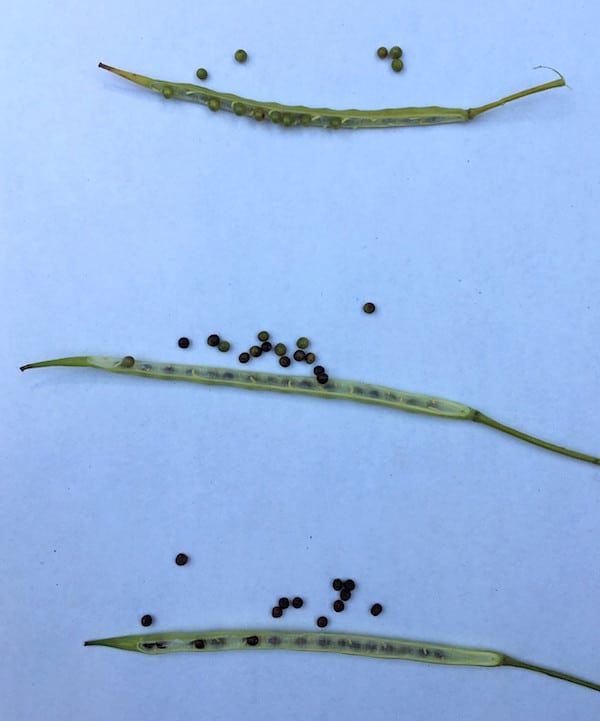
Swath later for higher yield

Canola fields swathed at 60 per cent seed colour change (SCC) on the main stem can yield eight per cent more than fields swathed at 30 per cent SCC, according to Canola Council of Canada research.
Pre-harvest products (“aids”) and how to use them
What is the goal with a pre-harvest application? This article discusses tips and solutions for weed control versus desiccation. If the problem is uneven fields, swathing is the best choice.
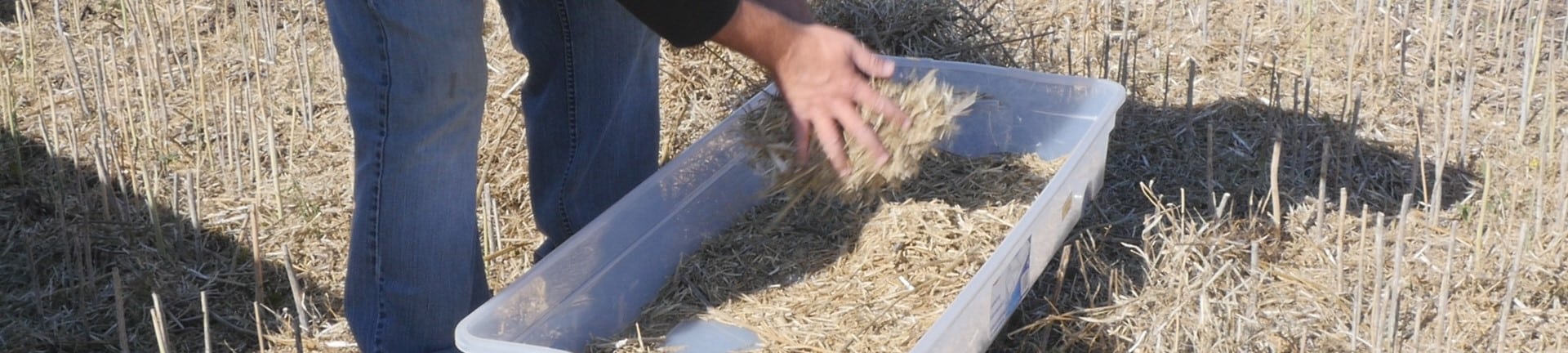
How to measure canola losses out the combine

What is an acceptable amount of canola combine loss for your farm? To answer that question for your farm, you must first figure out the level of losses out the back of the combine.
5 questions for timely harvest preparation
This article provides brief explanations and links to answer these questions:
Will the crop need a pre-harvest aid?
What to look for with a pre-harvest disease survey?
How to get bins ready for canola?
How to prepare the combine for straight cutting?
What tools are needed to measure losses?
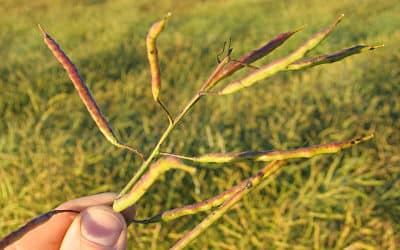
Swath timing for higher yield and quality

Canola growers who straight cut or wait for 60 per cent seed colour change on the main stem to swath can potentially maximize both yield and quality.
Stick to pre-harvest intervals to "Keep it Clean"
Growers and agronomists can use the Keep it Clean Spray to Swath Interval Calculator at spraytoswath.ca to plan pre-harvest spraying.
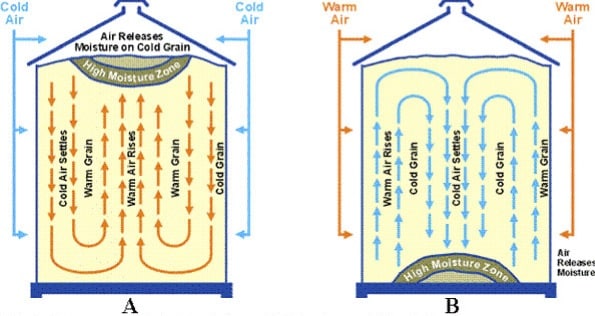
Do I have time to check the bins?

Any canola in storage should be checked – just to make sure it’s safe. Reports of heating bins are trickling in this week.
Warm days allow for natural air drying
Still have tough canola in the bin? Warm air has good capacity to dry. For example, at 22°C and 60% relative humidity, canola will trend towards just below 8% moisture content with natural air drying. Therefore, these warm days are ideal for natural air drying.