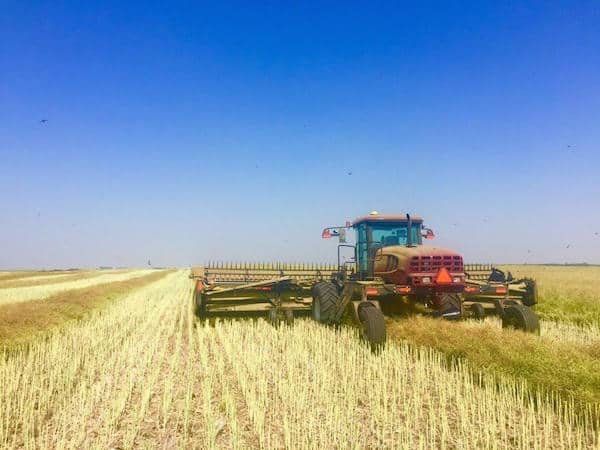
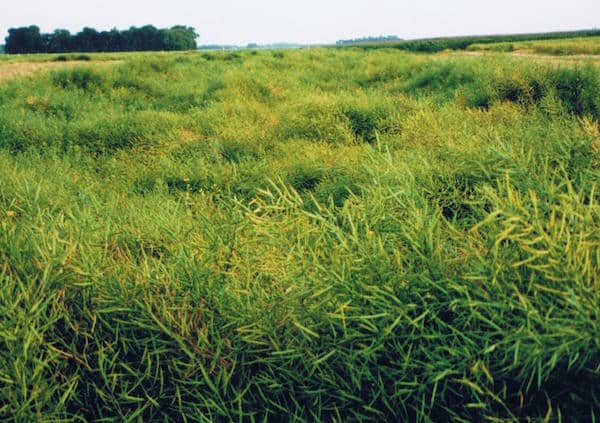
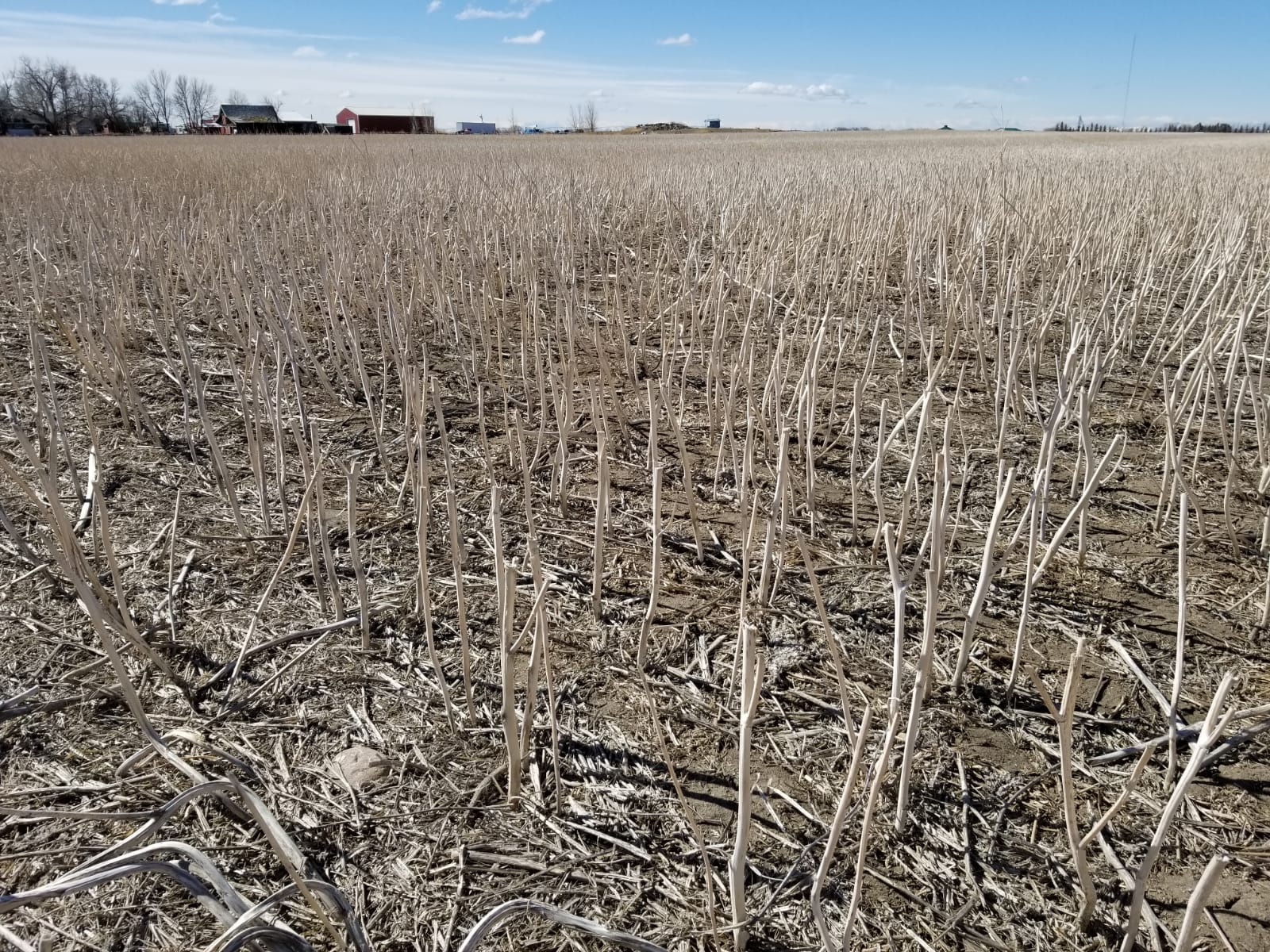
September 5, 2019 What are those geese eating?Fields that attract a lot of geese this time of year could be fields with a lot of harvest losses. Are your harvest losses
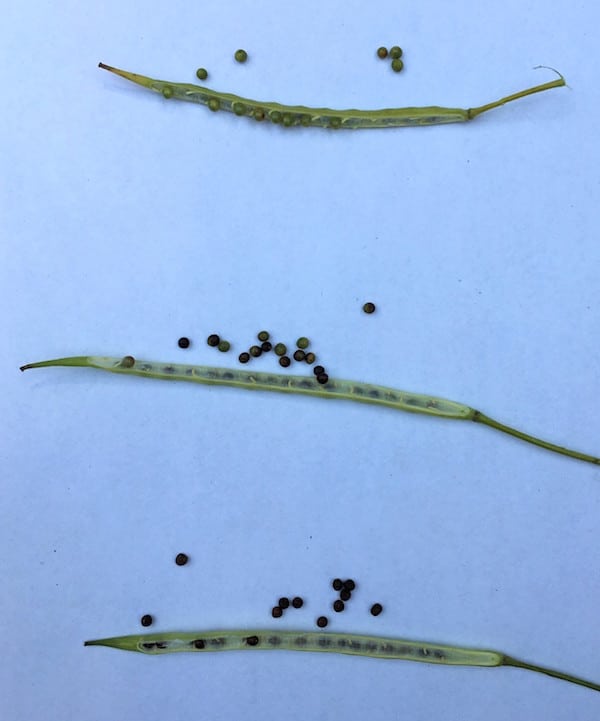
August 28, 2019 How to assess seed-colour changeOptimal swath timing for canola yield and quality is when at least 60% of seeds on the main stem are showing some colour change.
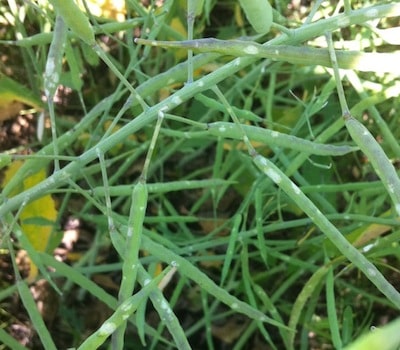
August 28, 2019 Late season hail: Damaged pods and swath timingLate season hail can damage pods and increase the shattering risk for those pods. Before jumping the gun and swathing too early, take these
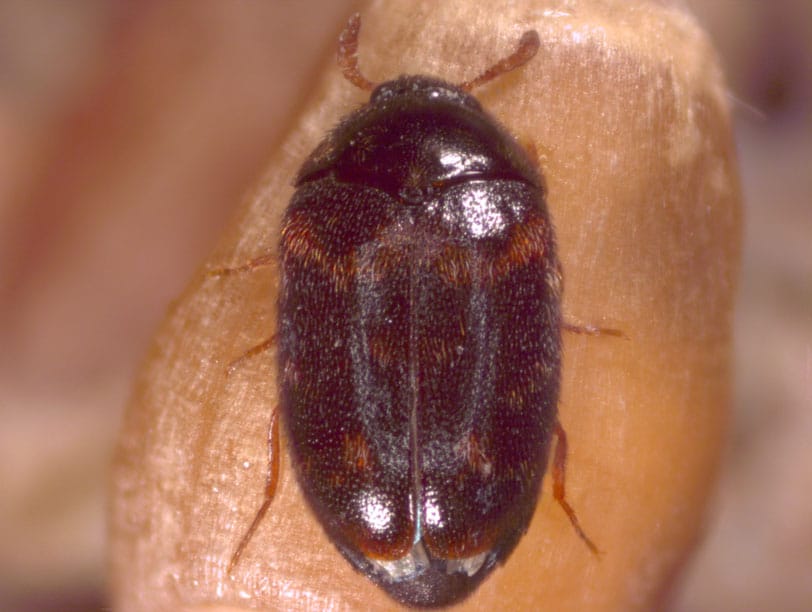
August 28, 2019 Bin Prep: Stored grain insects, heaters, monitoring toolsThe goal is to have bins clean before the next crop. This includes sealing or patching (if necessary) to prevent moisture from getting in,
August 21, 2019 Top 10 harvest questions: ‘How can I harvest sooner?’ and moreIf the priority is getting the crop in the bin (not maximum yield), swathed canola can be ready to combine earlier than standing canola…but
August 14, 2019 Measuring harvest loss – common questionsHere are some common questions from canola growers who are wanting to measure their losses at the combine.
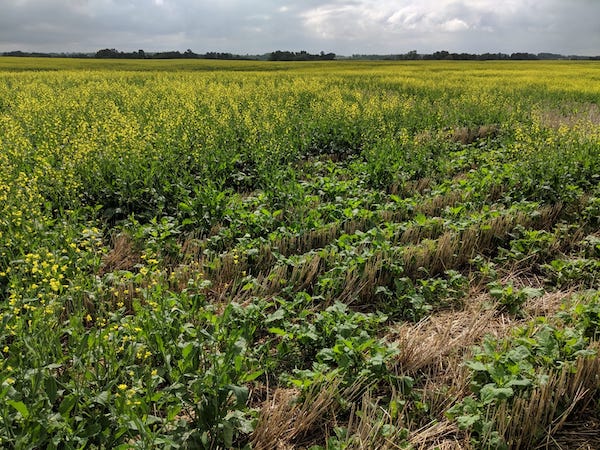
July 31, 2019 What to do with uneven fields?Growers wonder how to approach harvest when canola fields have plants and patches at quite different stages of maturity. With any approach, the least
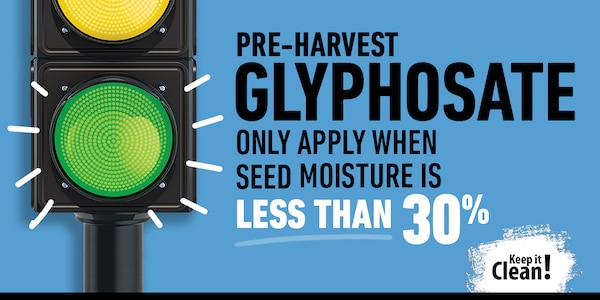
July 25, 2019 Important timing message for pre-harvest glyphosateIn all fields, including those with variable maturity, it is critical to wait until seed moisture content is less than 30% in the least-mature
July 17, 2019 PAMI wants to measure your harvest lossesWant to know your canola combine losses? PAMI is doing a survey this fall and if a farmer volunteers a field for loss measurement,
May 15, 2019 Summer storage of canolaPAMI studies have shown that leaving the canola alone resulted in the most stable and favourable storage conditions throughout the summer months, provided the
April 4, 2019 Top 10 canola-related jobs for April1. Prep for good seed placement. 2. Use the canola calculator to set seeding rates. 3. Know the risk of seed-placed fertilizer…and more.