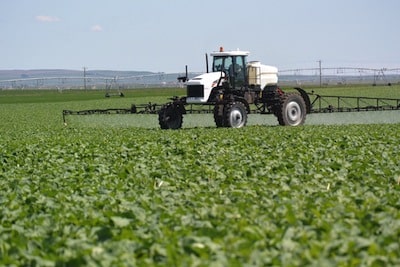
July 22, 2015 Keep it Clean: PHI and storage tipsWhen spraying, stick to the pre-harvest interval unique to each product. When prepping bins, follow canola storage recommendations….
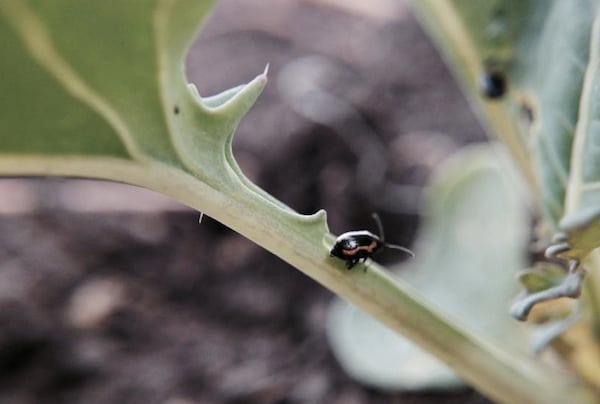
July 15, 2015 Insect Update: Lygus timing and thresholds, Grasshoppers, Blister beetlesLots of insects are being reported, but agronomists and growers are generally doing a good job of assessing the economic threat and determining that
July 15, 2015 Keep it Clean, keep the customer happyCanada exports 90% of the canola we produce, and our global customers won’t accept anything less than squeaky-clean seed. This time of year, the
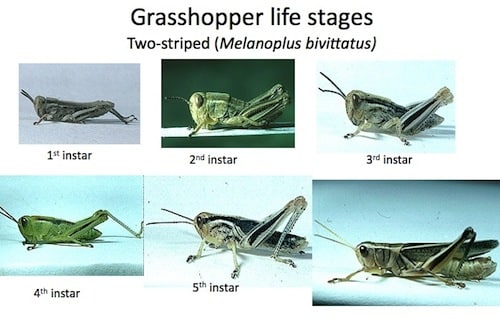
July 2, 2015 Insect update: Grasshoppers, lygus, cabbage seedpod weevilGrasshoppers may be above thresholds in some fields. The nominal threshold for grasshoppers in canola is 8-12 per square metre, although the higher end
July 2, 2015 Spraying a multi-staged cropCrop staging comes into play for herbicide, insecticide and fungicide timing. So crops with plants at various stages — some at flowering, some barely
June 26, 2015 Insecticides for variable staged cropsCabbage seedpod weevils are one example of an insect where crop stage is a factor in the management decision. Weevils lay their eggs in
June 17, 2015 Insect update: Grasshopper, diamondback, lygus, CSPWGrasshoppers. If populations are significant and crop feeding has begun, a spray or bait application around field edges may be enough to reduce the
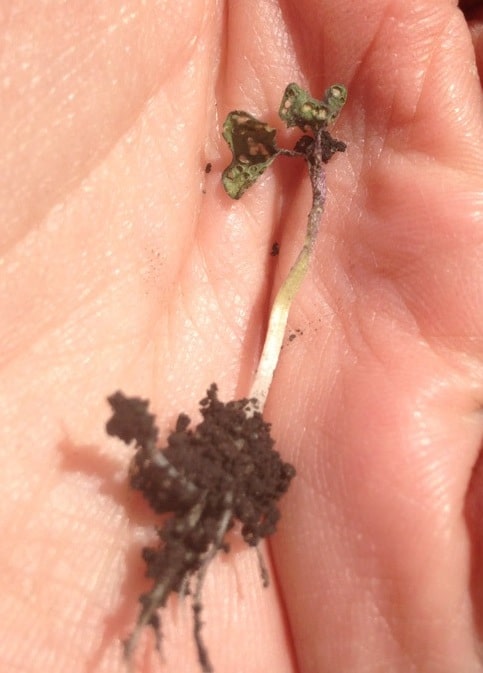
June 10, 2015 Insect update: Cutworms, flea beetles, aster leafhoppersFlea beetles remain the single biggest insect threat this week, although pressure seems to be waning. Cutworm losses have been reported in a few
June 10, 2015 Hot weather can reduce insecticide performanceUnder hot conditions the metabolism of (some) target insects is significantly faster. Control of the pest is more complete when the metabolism of the
June 3, 2015 Add insecticides to herbicides only when necessaryCombining pest control operations to save trips over the field may seem like good economic sense, but consider the following when making this decision….
June 3, 2015 Keep It Clean: Two timely reminders(1) Many insecticides have limits on how many times a year they can be sprayed on a canola crop. (2) Check approvals for all
May 21, 2015 Insect update: Flea beetle thresholds and frostFlea beetle thresholds don’t change with frost, but frost may have changed the crop assessment situation. Here’s how….