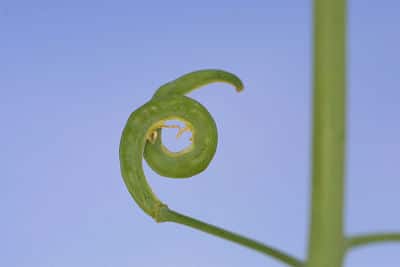
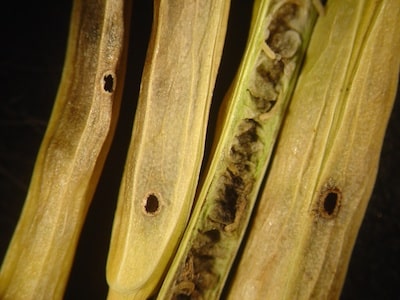
August 27, 2014 Thrips damage: Curled pods and moreThrips cause curled or twisted pods on canola and can also cause damage like that shown in the photo above. The good news is
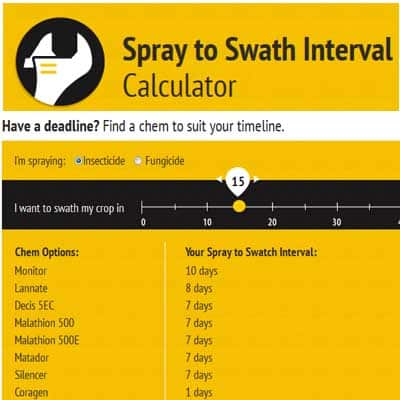
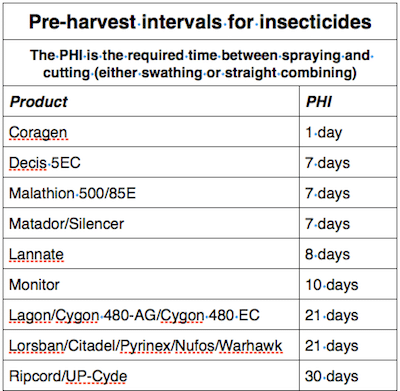
August 13, 2014 PHI reminderMany canola fields are within 5 to 10 days of swathing, which limits the choices for insecticides based on pre-harvest intervals. Here are the
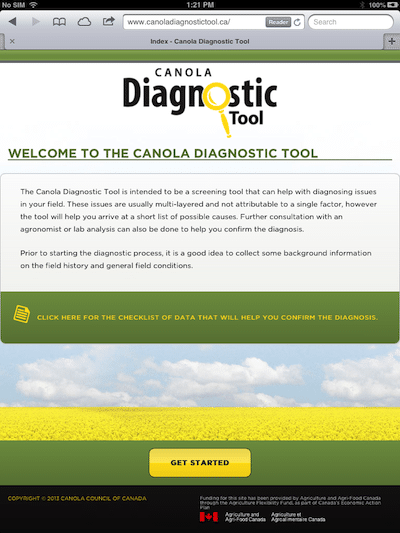
August 13, 2014 Damage IDTo identify a problem, start with careful scouting. Use this checklist and then move on to the Canola Diagnostic Tool.
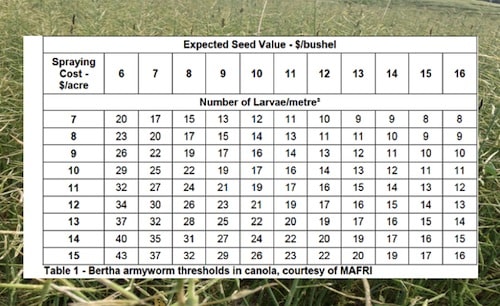
August 7, 2014 Insect update: Lygus, bertha, CSPWLygus hotspots: Lygus numbers are high in some regions, with reports of 70+ per 10 sweeps in some fields in central and northern Alberta.
July 30, 2014 Leave required time between spraying and cuttingPre-harvest interval (PHI) refers to the amount of time that must lapse (in days) after a pesticide application before the crop is cut. Cutting
July 16, 2014 Insect thresholds: Quick reviewWhile insects are not a major threat in most fields at this point in 2014, diamondback moth larvae are around, cabbage seedpod weevil are
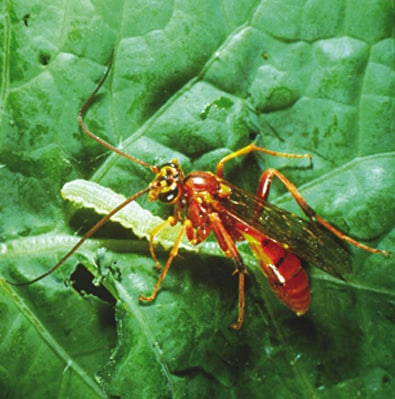
July 9, 2014 Insect update: Beneficials, CSPW, root maggotsBeneficials. Lygus, bertha armyworm and diamondback moth have a number of natural enemies that will keep populations in check. These beneficial insects may not
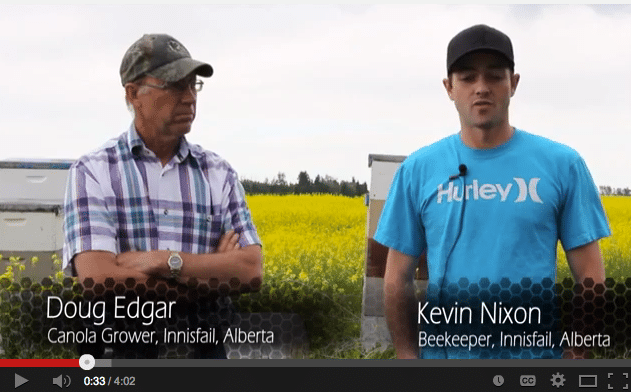
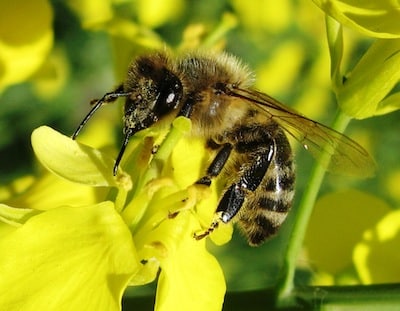
May 27, 2014 Bees and canola: A sweet relationshipThe Canola Council of Canada has produced four videos showing how beekeepers and canola growers can work together. Click the image above to see
February 4, 2014 How to use photos for agronomyCrop diagnostics often come down to good photography skills, especially since so many people have smart phones with cameras, and since agronomists cannot get
February 4, 2014 Protect bees and other pollinatorsCanola Watch Live! included a discussion on bees and other pollinators. Here are best management practices to reduce damage to these important insects: —Avoid
August 21, 2013 Pre-harvest intervals (PHIs) for insecticidesMany canola fields are within 5 to 10 days of swathing, which limits the choices for insecticides — based on pre-harvest intervals. Here are