March 6, 2013 How to use the Canola Diagnostic ToolGive the brand new online Canola Diagnostic Tool a pre-season test drive at www.canoladiagnostictool.ca. Start with a problem scenario that you encountered in a
February 7, 2013 Thresholds: Insect management toolsInsect economic thresholds represent the break even point for an insecticide spray. Sticking to thresholds will also help preserve a vibrant and economically valuable
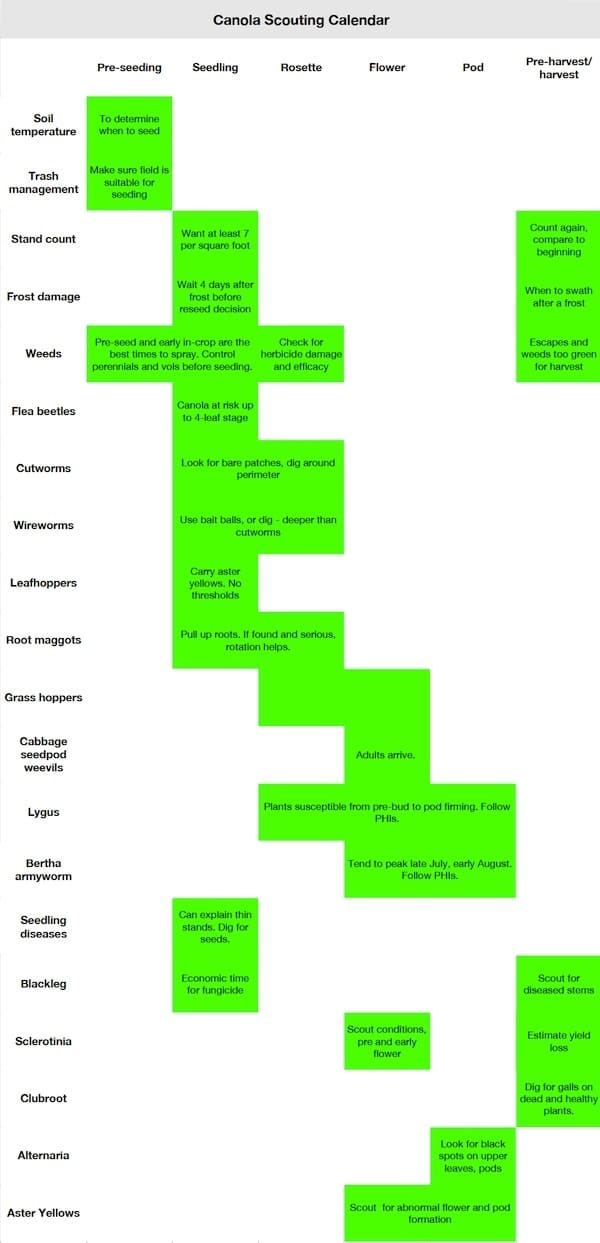
December 5, 2012 Scouting calendarThis calendar shows you the major pests and problems to look for in canola at each point in the season.
December 5, 2012 Find the right agronomistGrowers who do not have the time for timely scouting may want to hire an agronomist to support their own scouting program. Most agronomists
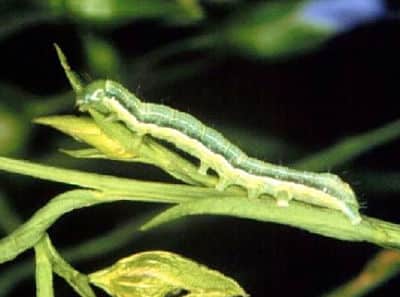
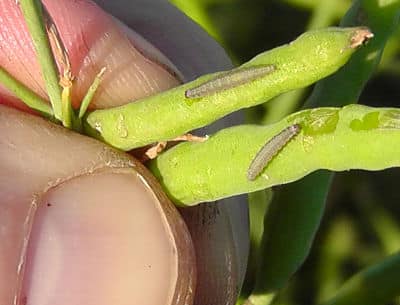
July 25, 2012 Lots of green worms. What are they?Some fields may have a variety of green worms feeding, including bertha armyworm, diamondback moth larvae, imported cabbageworm and alfalfa looper. Here’s how to
July 25, 2012 Combining thresholds for multiple insectsWe don’t have scientific evidence to combine thresholds, but where an “additive” effect of multiple species can make sense is when more than one
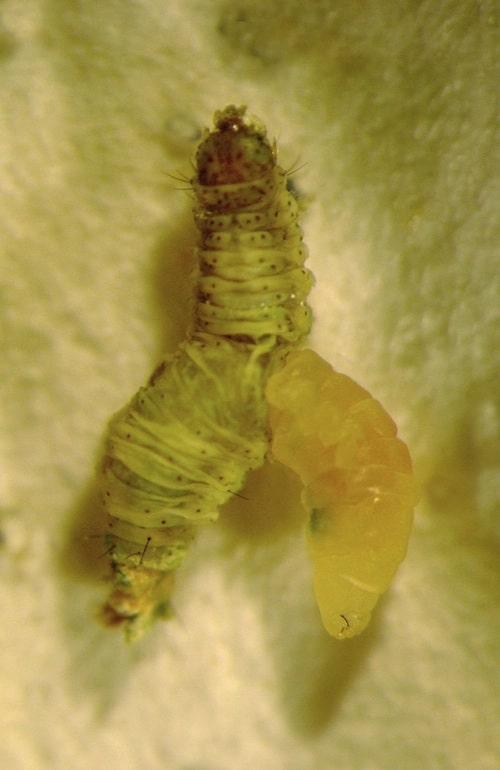
July 25, 2012 Beneficials to look for while scoutingLygus, bertha armyworm and diamondback moth have a number of natural enemies that will keep populations in check. These beneficial insects may not control
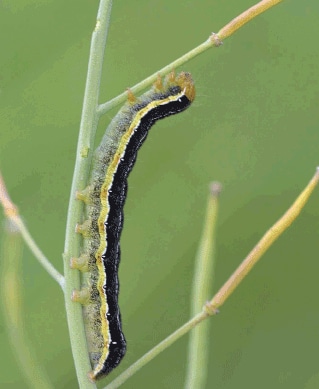
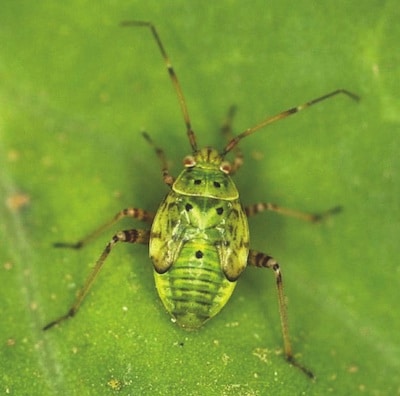
July 18, 2012 Insects: Lygus, bertha, zebra caterpillarsInclude nymphs (shown above) when doing lygus sweep net counts. Bertha risk rising. Zebra caterpillers are usually confined to small areas within a field.
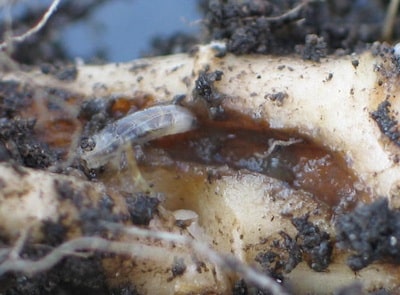
July 18, 2012 Root maggot, root disease in back to back canolaAn AAFC study has shown very clearly that with continuous canola, there is a statistically significant increase in crop damage by root maggots. No
June 27, 2012 Insect update: diamondback, weevil, cutworm, bertha, beneficialsProbably too early to spray cabbage seedpod weevil, diamondback continue feeding, bertha moth numbers are high in some regions, cutworms near the end but
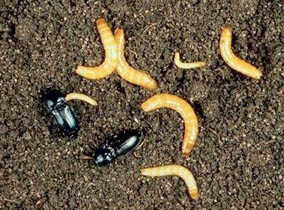
June 20, 2012 Insect update: leaf rollers, wireworms, bertha, flea beetlesLeaf rollers probably aren’t worth controlling. Wireworms will live up to 4 years as a larvae and will feed on canola. Bertha monitoring begins.
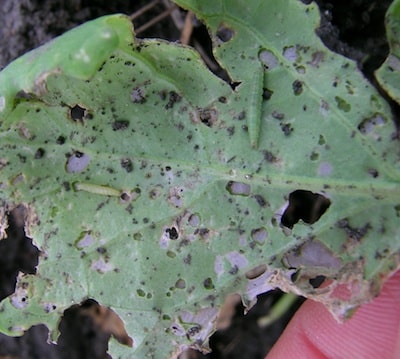
June 6, 2012 How to ID insects by feeding damageDiamondback moth and flea beetle damage can look similar in some cases. So can wireworm and cutworm underground feeding. Look for the damage and