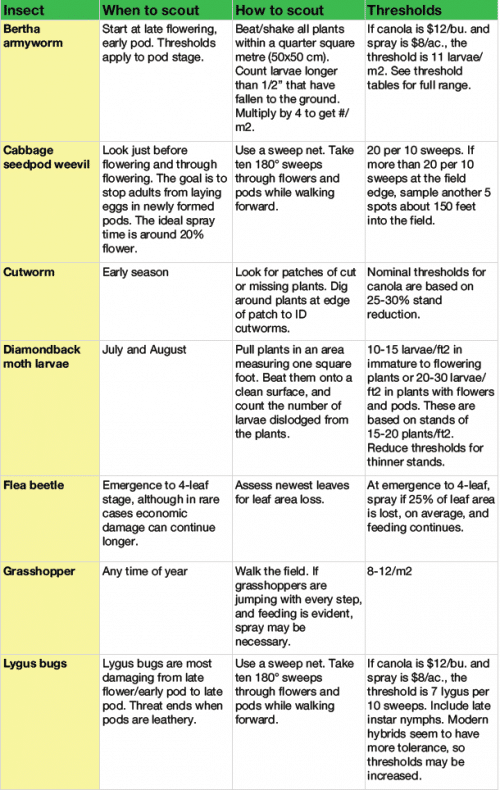
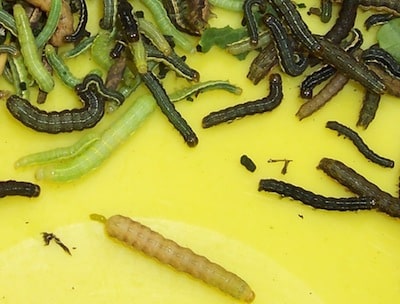
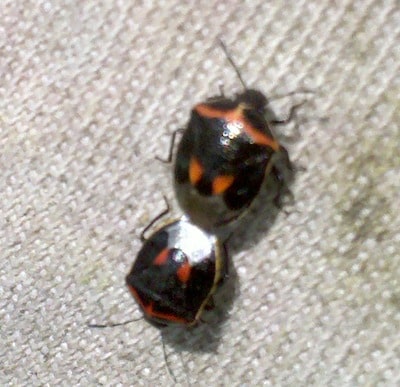
July 24, 2013 Top 10 things to consider when scouting for insects3. Record what you find. With detailed records, including insects found in each field, insect numbers, what they’re feeding on, time of day, temperature
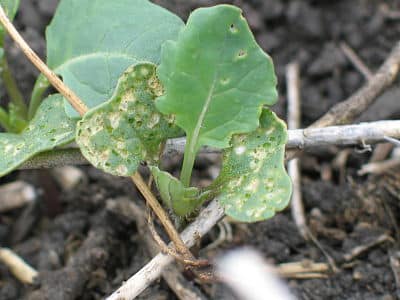
July 24, 2013 Insect update — Bertha armyworm, thripsThrips damage shows up in some fields. Bertha armyworms are the bigger issue, with adult counts continuing to build and many areas now at
July 17, 2013 Insect update: bertha counts videoBertha armyworm moth counts continue to accumulate across the Prairies. Many areas are now at moderate to high risk, and adult numbers will continue
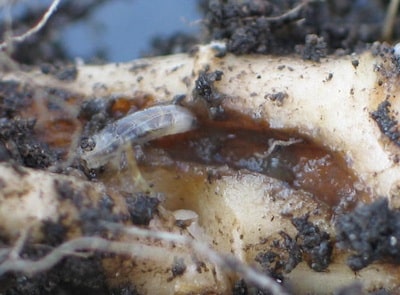
July 10, 2013 Root maggots and diseaseRoot maggots and root disease often show up together in the same field. Root maggots are white and up to 10 mm (half an
July 4, 2013 Heat blast and 6 other causes for missing podsAs canola starts to move from flowering and into pod formation, growers will often notice blanks up the raceme where pods did not form.
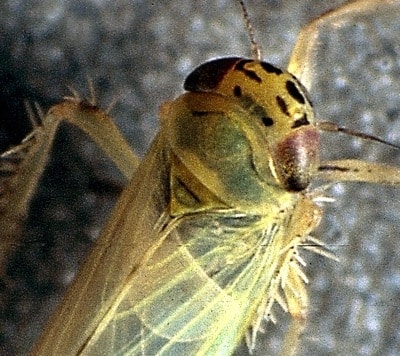
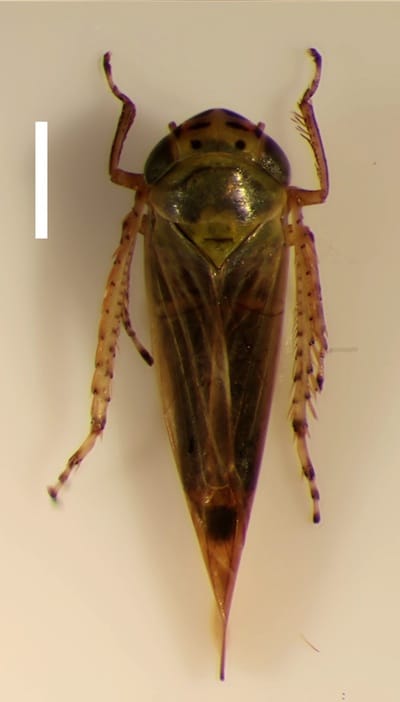
July 4, 2013 Leafhoppers buildingLeafhopper populations are building, which could increase the risk for aster yellows. Even so, there is not really a good case for spraying for
June 19, 2013 Bees and canola are good for each otherBees are good for canola. Canola is good for bees. Canola flowers provide an important source of nectar for honey producers in Western Canada:
June 19, 2013 Aster yellows: No evidence of a problem in 2013Aster leafhopper numbers are quite low so far this year, down considerably from 2012. Aster leafhoppers carry aster yellows phytoplasma, so without leafhoppers to
May 29, 2013 Insect update: Flea beetles, cutworms, scarab beetle larvaeA few flea beetles do not warrant an insecticide application. Follow these guidelines when making a flea beetle spray decision:
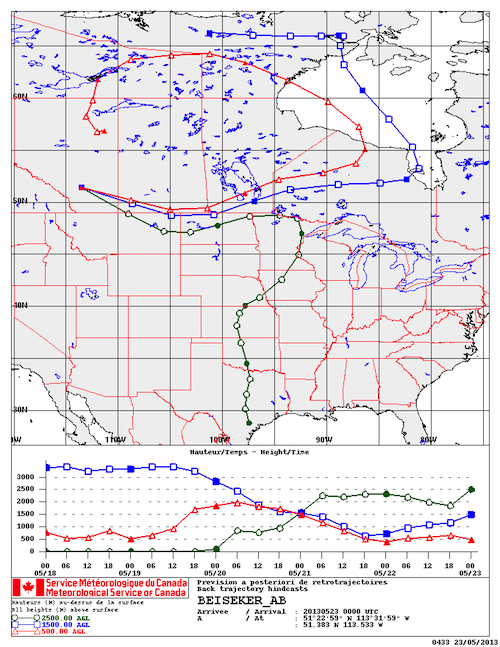
May 23, 2013 South winds arriveSouth winds from Texas and California/Mexico have reached the Prairies, as the maps show. Winds from the south central U.S. bring aster leafhoppers (which
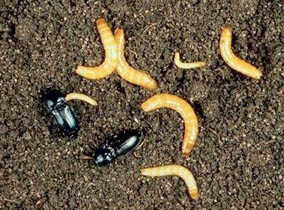
May 15, 2013 Insect update: Wireworms, cutworms, south windsWireworms have not become the crisis some expected after lindane was pulled from the market, but some fields do have populations at levels that
April 4, 2013 Aster leafhoppers arrive later in 2013Delayed arrival of southerly winds in 2013, together with the colder start to the growing season, may lessen the risks associated with aster leafhoppers,