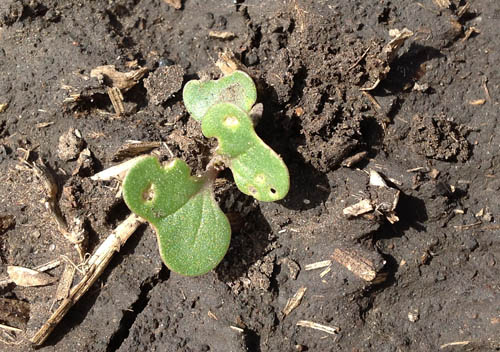
May 24, 2012 Insect update: Cutworms activeSome cutworm species are already quite active — dingy, for example — and can consume canola plants before they even emerge or shortly thereafter.
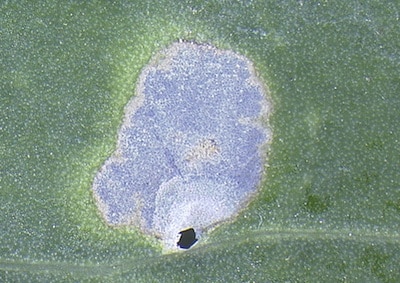
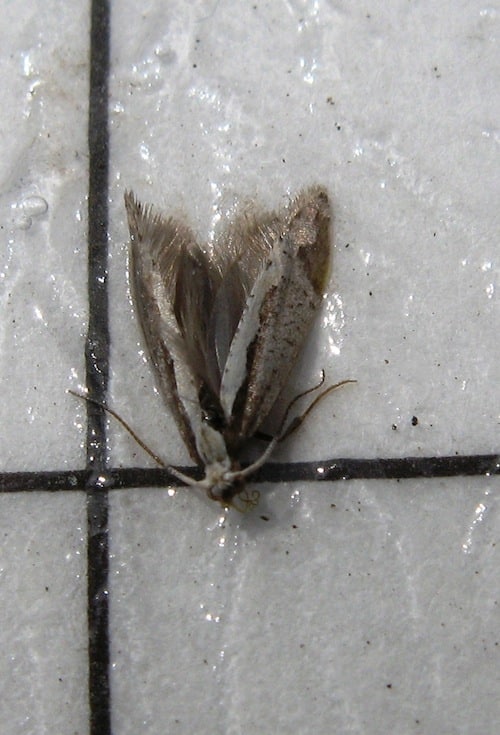
May 24, 2012 Insect update: Early diamondback feedingEarly diamondback moth (DBM) eggs are hatching, and some young canola plants could begin showing “window paning” of the leaves. Spraying for DBM at
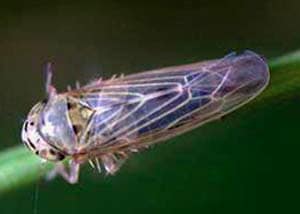
May 24, 2012 Aster leafhoppers arrive. Are they carrying aster yellows?Aster leafhoppers were spotted in North Dakota, Manitoba and Saskatchewan in significant numbers this week. Leafhoppers can carry aster yellows phytoplasm, but the percentage
May 16, 2012 Insect update: Wireworms and cutwormsThe Canola Council of Canada is looking for growers and agronomists willing to collect cutworms for research. Cutworms are an increasing threat to canola
May 9, 2012 Insect update: Flea beetles on volunteer canolaIf flea beetles are already out and on volunteers given the conditions we’ve had, as soon as it gets warm, they will be feeding
May 9, 2012 Early seeded canola slow to emergeWhen the warmer weather returns, as is forecast later this week, canola still in the seedling stage that was seeded over 3 weeks ago
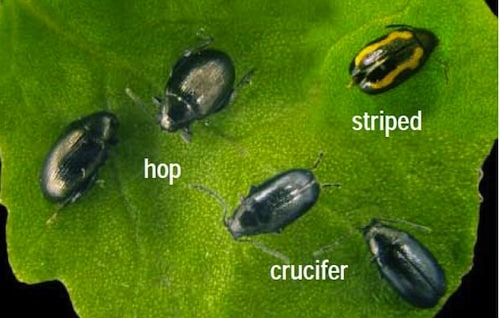
May 2, 2012 Striped flea beetles are tough and moving inHave you looked closely at your flea beetles lately? Striped flea beetles may not have been a problem in your area in the past,
April 25, 2012 Insect update: Diamondback moths early, striped flea beetlesStriped flea beetles seem to be more common each year, especially in the northern canola growing regions. Research suggests that a population of striped
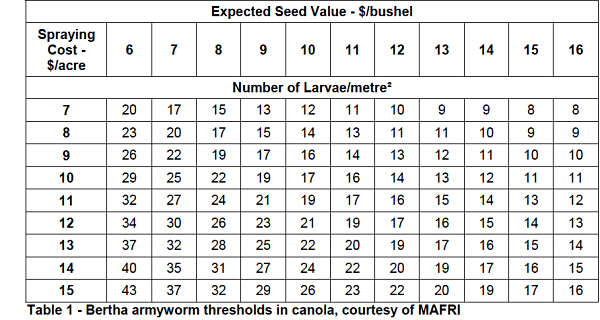
March 9, 2012 Station 2: Bertha, diamondback and their natural enemiesGrowers cannot expect natural enemies to provide enough immediate control to reduce the pest threat to canola in that year. Growers will still have
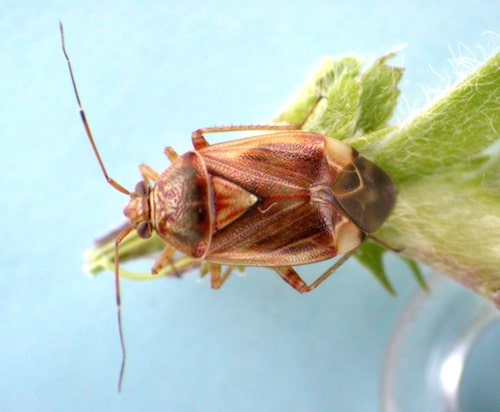
March 9, 2012 Station 3: Lygus and its natural enemiesOur current economic threshold tables for lygus in canola may be too low when applied to current canola production systems across the Prairies. If
March 9, 2012 Station 7: Diagnostic tipsThe key messages from this station: —Keep an open mind when scouting a field for problems. Symptoms can have many causes, and it can
February 9, 2012 Will we have any winterkill of insects?In general, overwintering mortality is not a major factor in reducing insect populations, but we know of a few important exceptions: