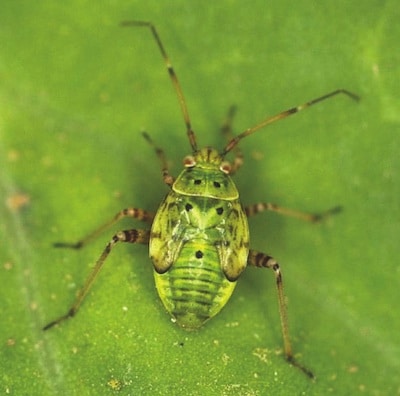
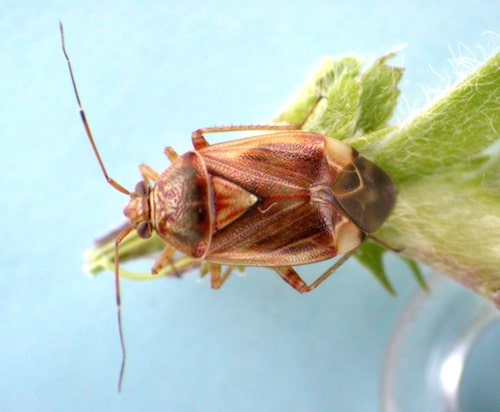
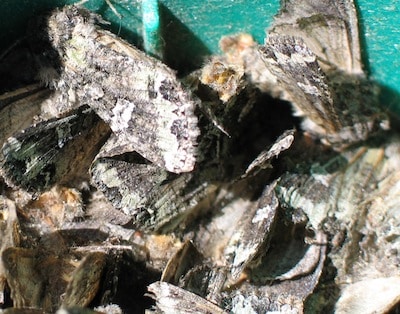
July 25, 2012 Insect update: Lygus, berthaSecond generation lygus have arrived. Young nymphs will reach late instar and adult stages in 5 to 14 days. When scouting to see if
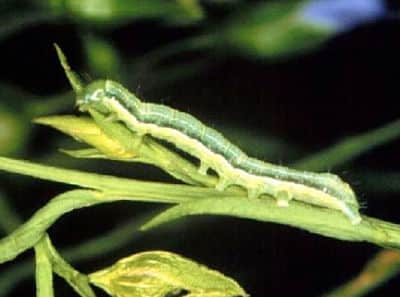
July 25, 2012 Lots of green worms. What are they?Some fields may have a variety of green worms feeding, including bertha armyworm, diamondback moth larvae, imported cabbageworm and alfalfa looper. Here’s how to
July 25, 2012 Combining thresholds for multiple insectsWe don’t have scientific evidence to combine thresholds, but where an “additive” effect of multiple species can make sense is when more than one
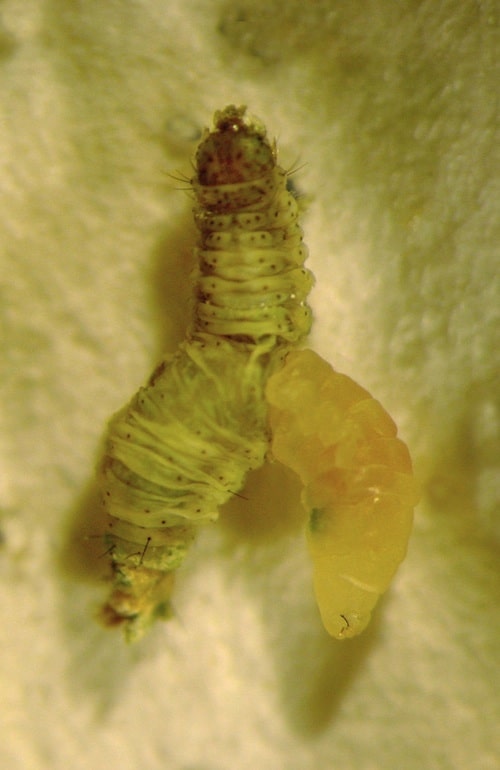
July 25, 2012 Beneficials to look for while scoutingLygus, bertha armyworm and diamondback moth have a number of natural enemies that will keep populations in check. These beneficial insects may not control
July 18, 2012 Insects: Lygus, bertha, zebra caterpillarsInclude nymphs (shown above) when doing lygus sweep net counts. Bertha risk rising. Zebra caterpillers are usually confined to small areas within a field.
July 18, 2012 Pre-harvest interval close for some productsKeep in mind pre-harvest intervals for fungicides and insecticides now that many early seeded crops are less than a month from swathing. Pre-harvest intervals
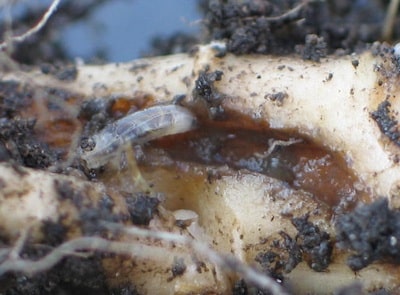
July 18, 2012 Root maggot, root disease in back to back canolaAn AAFC study has shown very clearly that with continuous canola, there is a statistically significant increase in crop damage by root maggots. No
July 11, 2012 Insects: Canola can handle some lygus feedingOur current economic threshold tables for lygus in canola may be too low when applied to current canola production systems across the Prairies. If
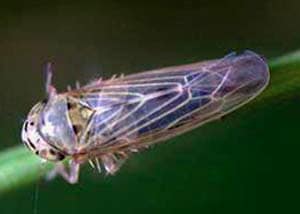
July 11, 2012 Insects: Leafhoppers, berthas, blister beetles, cutwormsLeafhoppers are more plentiful and carrying more aster yellows phytoplasm this year, but spraying is rarely effective. Bertha counts are starting to spike in
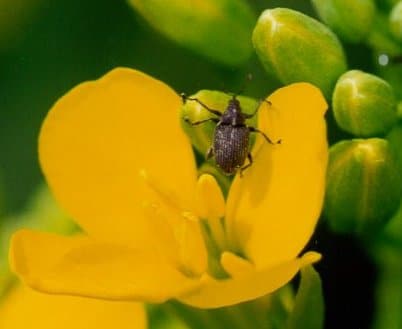
July 6, 2012 More than one insect in a crop?If you have lygus bug and cabbage seedpod weevil in the same field and if they are both at 50% or more of their
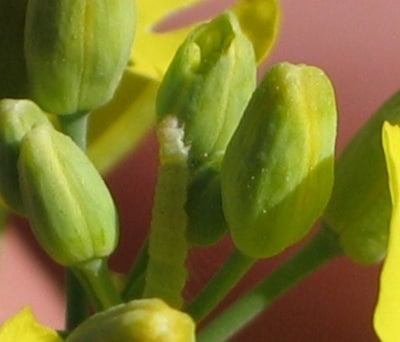
July 6, 2012 Bud damage may have many causesInsects, heat stress, hail and sulphur deficiency can all cause bud discoloration and damage. Scouting closely for insects may be required to find out
July 6, 2012 Insect update: Lygus, bertha, leaf hopperCheck to see if lygus feeding is preventing crop from coming into flower. Bertha armyworm adults are mounting and larvae will start to hatch