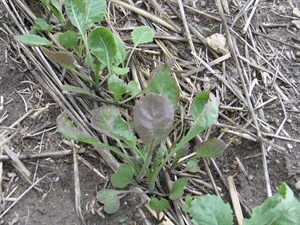
Two potential top dress situations are showing up in canola fields across the Prairies this week:
1. Excess moisture and poor nutrient availability.
2. Crop runs out of nutrients.
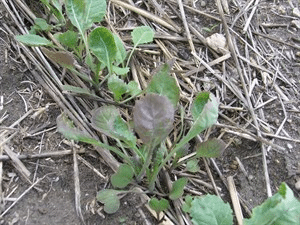
Two potential top dress situations are showing up in canola fields across the Prairies this week:
1. Excess moisture and poor nutrient availability.
2. Crop runs out of nutrients.
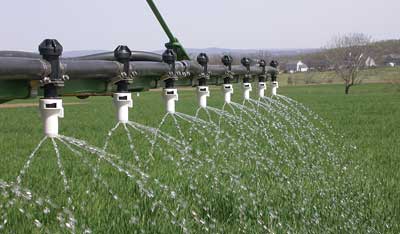

Excess moisture can reduce soil nitrogen levels through leaching and denitrification. A top dress could address this. But excess moisture and other weather factors that set back the crop may also reduce overall yield potential, which means the crop may not take up as much nutrient anyway.
Top dressing fertilizer usually occurs after emergence, often as a response to increased yield potential or as a remedy for noticeable deficiency symptoms.
However, growers are looking at top dressing this year as a logistical aid in getting the crop seeded faster. Here are some agronomy messages to help in your decision making.
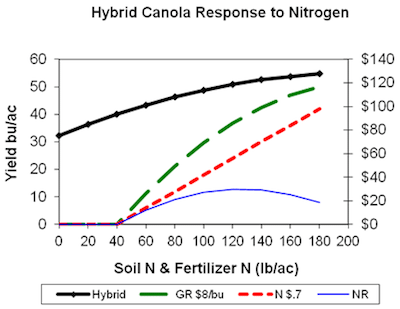

This figure show the yield response of hybrid canola to applied and soil nitrogen. The blue line is what matters when assessing the return on investment and your risk assessment with regard to nitrogen. Here’s how to read the figure…
The 4 Rs, as described by the Canadian Fertilizer Institute and other crop nutrition organizations, are the right fertilizer source at the right rate, at the right time and in the right place. The 4 Rs will help you make the most of your fertilizer investment.
Here are the three basics of canola crop nutrition…
High yielding canola and cereal crops will have drained the soil of a lot of nutrients. Taking good soil samples will help determine how much is left, and how to adjust fertilizer rates for the 2014 crop.
Avoid sampling areas that may exaggerate the soil test readings. These areas include low spots, sandy ridges, old yard sites, hilltops, saline areas and old burn piles. If hiring a custom soil sampler, advise or accompany the person taking the samples to be sure those areas are avoided.
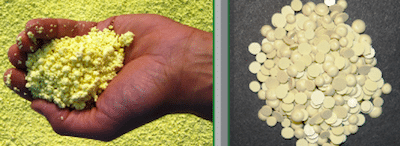
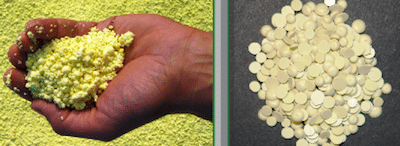
For growers who want to use elemental sulphur, fall is the time to apply it.
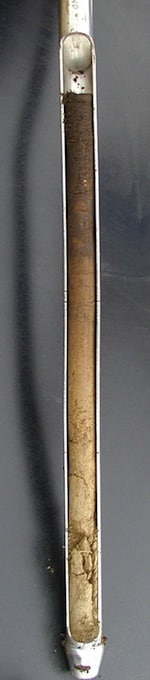
With reports of high yielding crops across the Prairies, fall soil tests are a good way to see how much nutrient reserves are left. It might not be much. Or, if yields were variable, some areas may have more than you think.


The ideal time for a sulphur top up is any time before flowering, but a top up at early flowering may pay off if plants are showing signs of sulphur deficiency.
The ideal time for a nitrogen top up is before the 5-leaf stage of canola, but AAFC research out of Indian Head, Saskatchewan, shows that nitrogen top dress as late as 5-10% flower can still provide a yield benefit.
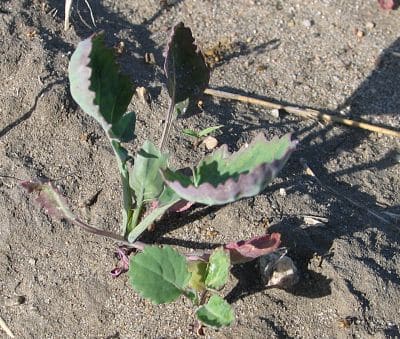
Growers who used elemental sulphur as their only sulphur source may see deficiencies in this year’s crop. Elemental sulphur will not be available when the crop needs it. In following the 4-Rs of fertilizer, elemental sulphur applied at seeding is not the “right source” or the “right time.” Sulphur deficiency symptoms (see the photos) that appear at the bud to bolt stages can be fixed with a top-dress of ammonium sulphate, a highly available source of sulphur.