Some growers are already doing soil tests and making fall fertilizer applications. While this may not be the ideal timing for soil tests of fertilizer applications (closer to freeze up is better), this timing may satisfy a number of other issues, including custom soil-sampler availability, wanting test results before fall application, and checking to see if current soil nutrient levels could explain lower- or higher-than-expected yields this year.
Top dress tips for nitrogen and sulphur

Western Canada has a short growing season. Crops in Western Canada start to take up nutrients early and uptake escalates quickly. For these reasons, the ideal timing for fertilizer application is at seeding. This saves an extra pass over the field and ensures that the expected fertilizer requirement is in place when the crop needs it. But there are times when an in-crop top up of nitrogen or sulphur makes sense.
Fertilizer applications in November
The combination of warm weather and moist soils is almost ideal for losses. Growers may want to reassess the nutrient situation with a time-of-seeding soil test, then top-dress if amounts are less than expected.
Soil sampling in November
Given the warm temperatures and moist soil conditions, the ideal time for fall soil samples may still be ahead of us. For results to be as close as possible to the situation next spring, the ideal time to take fall samples is when soil temperatures drop below 10°C and as close to freeze-up as possible.
How to reduce fall N fertilizer losses
The key strategy of fall fertilization is to store nitrogen over the winter in the ammonium form – which is held on clay and organic matter – and is referred to as stabilized N. To keep nitrogen in this stabilized ammonium form and protect it for crop use next year…
Fall soil sampling and snow
Snow in October is not usually a major problem for fall soil tests. Temperatures often improve before winter sets in for good, so sampling opportunities usually present themselves.
The right time for fall soil testing
For results to be as close as possible to the situation next spring, the ideal time to take fall samples is when soil temperatures drop below 10°C and as close to freeze-up as possible.
Timing and depth for fall fertilizer
Fall fertilizer is best applied as close to freeze up as possible to balance two objectives: (1) allow soil to seal over the band and (2) reduce losses due to high microbial activity in warm soils.
Need to know: Phosphorus (P)
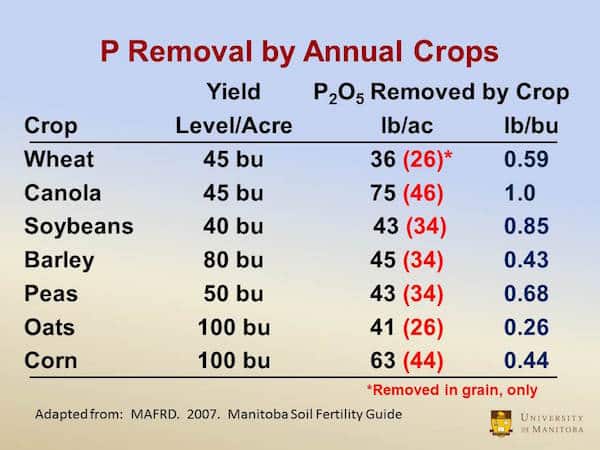
Canola removes more phosphate than other crops, and studies show that phosphate fertilizer rates have lagged crop removal for years. The result, says soil fertility expert Ross McKenzie, is that about 80% of Prairie fields are deficient in phosphorus.
Need to know: Sulphur (S)

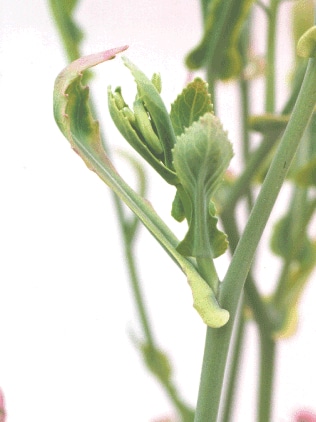
Growers understand the need for S in canola, but more frequent production of canola and higher yields have been drawing down soil levels. Soil fertility expert Ross McKenzie estimates that at least 40% of soils across Western Canada are S deficient.