The ground is not frozen yet, which means growers and agronomists still have an opportunity to take fall soil samples. This is one of the best times to sample because…
The right time for fall soil tests
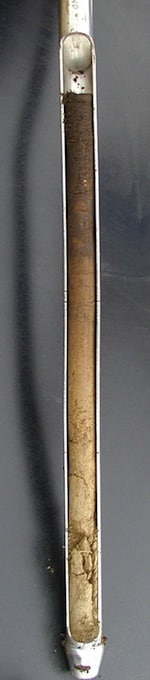
Soil sampling is good practice in the fall — whether crop was better or worse than you thought. Why fall? Growers often have more time in the fall than in the spring. And with results and recommendations in hand before winter, growers can use the winter months to plan their fertilizer programs for next year, to order fertilizer, and to take advantage of reduced pricing opportunities that may occur.
3 fertility questions for seeding time
The key with fertility decisions is to apply all of the 4 Rs — right fertilizer source at the right rate, at the right time and in the right place. Missing even one R reduces the yield response from the fertility investment. Make the most of your fertilizer investment. At the CanoLAB fertility station, attendees had a chance to ask …
Sulphur forms: Which to use and when?

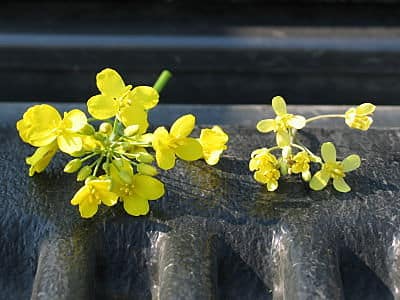
Canola has a high demand for sulphur. Because of high sulphur variability across most fields, the common recommendation is to apply 10-15 lb./ac. of sulphur when soil test results show adequate levels and 20-25 lb./ac., or more, when tests show deficient levels. Read more for product options and when to use them.

Dan Orchard on N soil tests

Nitrogen is quite mobile in the soil, and amounts can fluctuate year to year and depth to depth. Although some growers have success by using removal rates and target yields when making N decisions, a soil sample can be a great indicator and a good way to ensure intended rates aren’t too high or too low.
When determining how much nitrogen to apply, there are a couple of important factors growers should look at….
Late soil sampling
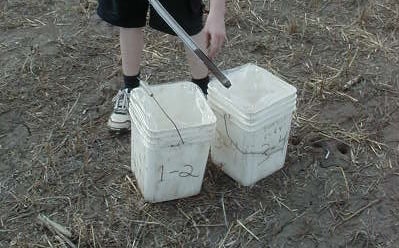
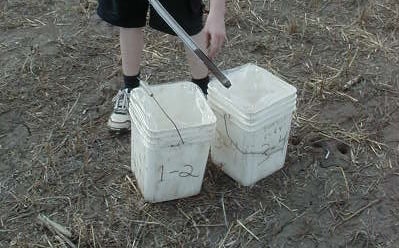
Microbial processes in the soil slow down as temperatures cool. Therefore, sampling late in the fall will provide a close representation of nutrient levels at seeding next spring. Fall soil tests give growers time to process samples and get results and recommendations. That information can be used to develop a fertilizer program for this fall or next spring.
How to reduce fall N fertilizer losses
A risk with fall application of nitrogen fertilizer is that denitrification and leaching will remove a large percentage of the applied fertilizer before seeding starts in the spring. This is a legitimate risk, as losses compared to a time-of-seeding application can be 30-40% in moist and warm conditions. To reduce this risk…
Fall fertilizer timing: Wait for cool soils
The key strategy of fall fertilization is to store nitrogen over the winter in the ammonium form – which is held on clay and organic matter – and is referred to as stabilized N. Urea and anhydrous ammonia are both considered ammonium based fertilizers. When the ammonium form N is converted to nitrate by soil microbes, then it is vulnerable to …
Late fall is a good time for soil tests
Take fall samples when soil temperatures drop below 10°C, or cooler. Because microbial processes in the soil slow down as temperatures cool, sampling late in the fall will provide a close representation of nutrient levels at seeding next spring. The cooler the better when sampling, but you want to make sure you can still get the probe down 24”. Submit samples for 0-6” and 6-24”.
How late can you top dress?
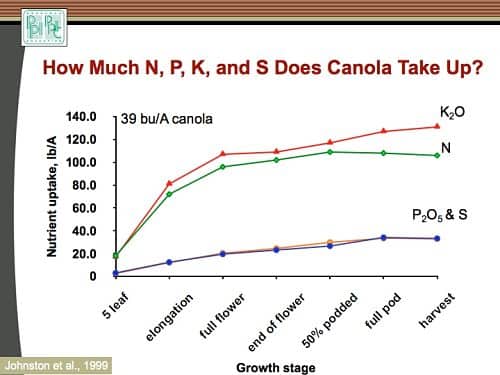
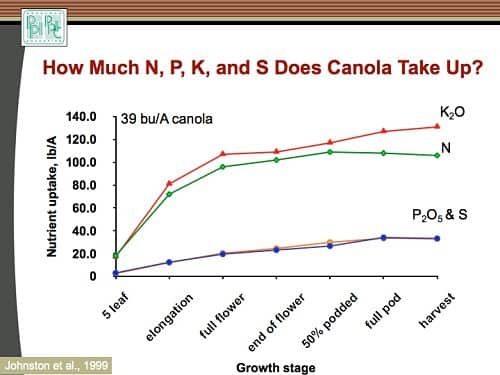
Sulphur and nitrogen deficiencies are showing up in some canola crops. The crop may not have received enough fertilizer to begin with, especially if this year’s rates did not compensate for high yields and high removal last year. Excess moisture may have added to nutrient losses.
Flowering is not an ideal time to top dress, and applications any time after early flowering may not provide an economic benefit. Late fertilizer needs to be applied to the soil surface and get a rain to move it into the root zone quickly for any chance of an economic benefit this year.