Fall fertilizer Fall fertilizer is best applied as close to freeze up as possible to balance two objectives: (1) To allow soil to seal over the band (frozen soil may not seal). (2) To reduce losses due to high microbial activity in warm soils. The key strategy of fall fertilization is to store nitrogen over the winter in the …
Fall fertilizer questions for 2018
Question: After a couple of bad years, cash flow is tight. How can a farm reduce fertilizer costs while still keeping the door open for a good rebound yield?
Answer: (1) Soil sampling is often more valuable after a bad year because reserves could still be high. A soil test may show higher than expected carryover. Note that after a dry year, soil nutrient reserves may be concentrated a little deeper so test to at least 12” and probably to 24”. …
Fall fertilizer planning: Sampling and application
Whether taking a soil sample or applying fall fertilizer, mid September is generally considered to be too early for both.
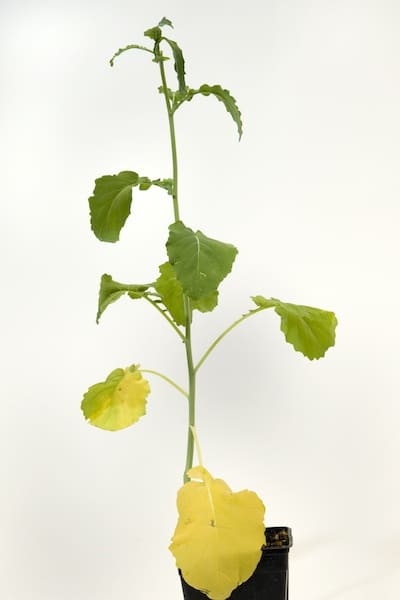
How to identify nutrient deficiency
In-crop fertilizer applications can rescue a deficiency situation. But what nutrients are deficient? Look for these symptoms.
Why limit seed-placed fertilizer?
Generally, small-seeded crops such as canola are more sensitive to seed-placed fertilizer, especially nitrogen and potassium.
Quick test for safe rates of seed-placed fertilizer
A quick test for the safety of seed-placed fertilizer is to turn off the fertilizer feed for about 100 feet, mark the spot, and go back and compare stand establishment in treated and untreated areas.
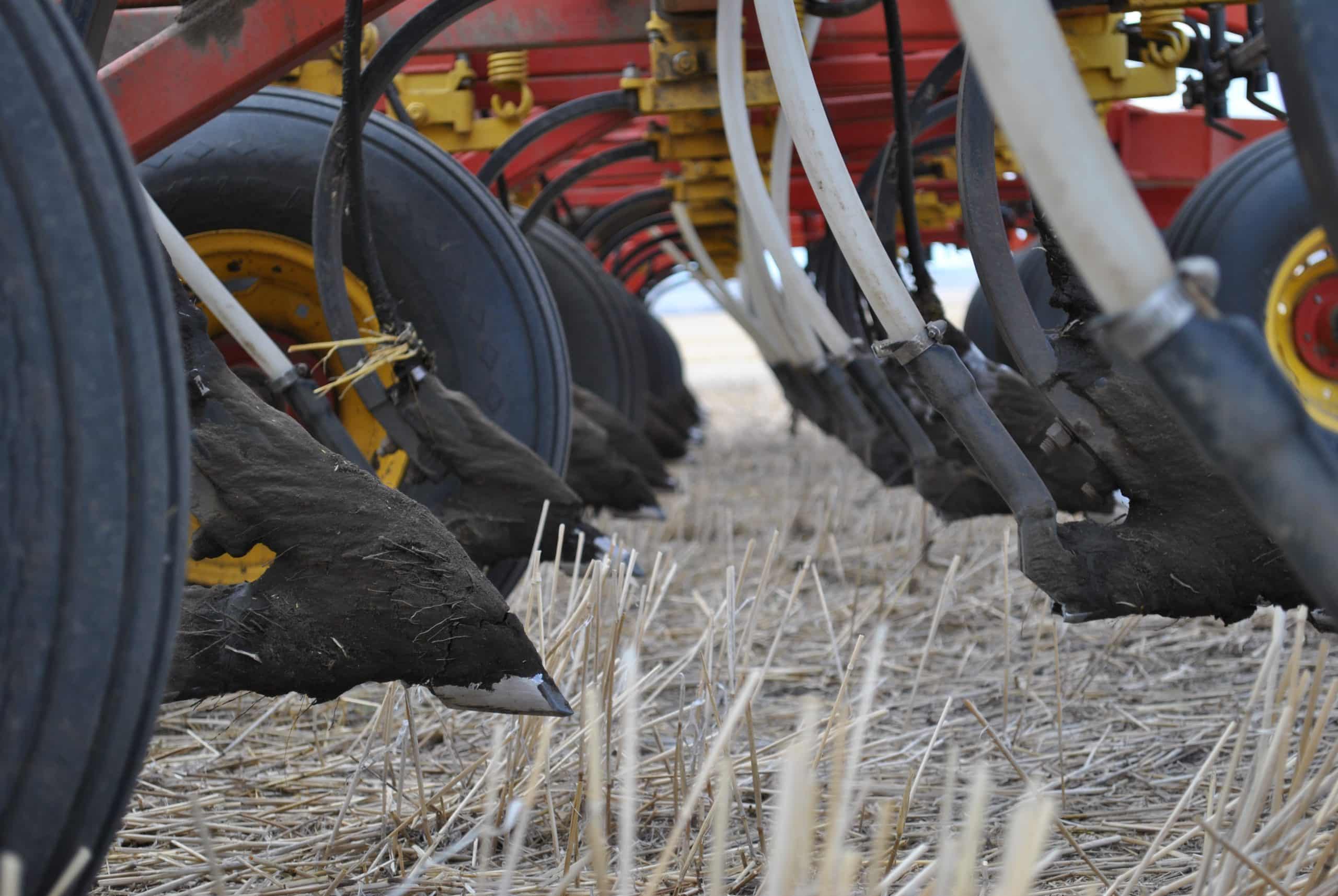
Fertility planning: Safe seed-placed rates

What are safe seed row fertilizer rates for phosphorus (P), sulphur (S) and nitrogen (N)? With lower seeding rates than in the past, this concern is greater than ever. Growers need to keep all seed viable to hit plant population targets. Therefore, the best practice is to put up to 20 lb./ac. of phosphate (max 40 lb./ac. of MAP) in the seed row – if P is needed – and put all other fertilizer in a band outside the seed row.
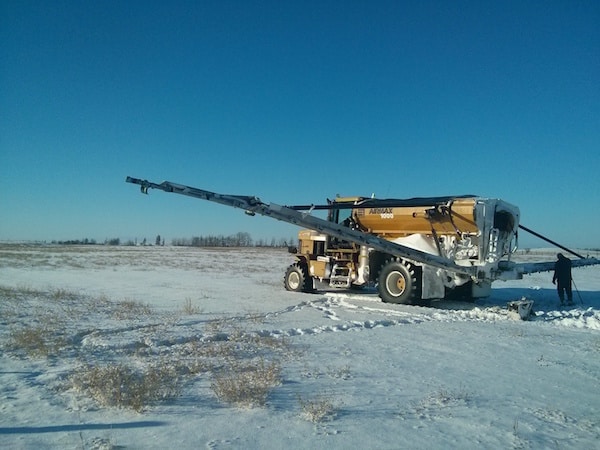
PLAN fertilizer over the winter, don’t APPLY it
Winter is a great time to review yield results, fertilizer rates and potential fertilizer shortcomings evident over the growing season. Winter provides the time to look at soil test results from the fall (and even sample fields that weren’t done sooner – albeit with specialized equipment for frozen soil) and make plans to pre-buy and maybe even take delivery of fertilizer – if the farm is set up for that.
But winter is not the time to apply fertilizer.
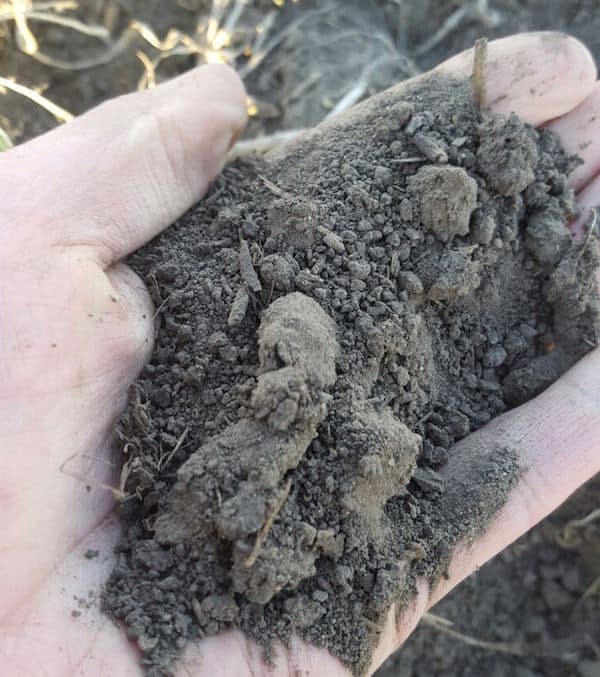
Fall soil sampling: The early option

Closer to freeze up is best time to capture soil test results that more closely resemble the situation next spring. BUT…sampling soon after combining may satisfy a number of other issues: (1) That is the only time you can get the custom soil-sampler. (2) You want test results in time to make fall fertilizer applications. (3) You want to see if harvest-time soil nutrient levels could explain lower- or higher-than-expected yields this year.
Timing and depth for fall fertilizer
Fall fertilizer is best applied as close to freeze up as possible to balance two objectives: (1) allow soil to seal over the band and (2) reduce losses due to high microbial activity in warm soils.