
The ideal timing for fertilizer application is at seeding, but there are times when an in-crop top up of nitrogen or sulphur makes sense. This article provides tips to make top dressing work in those situations.
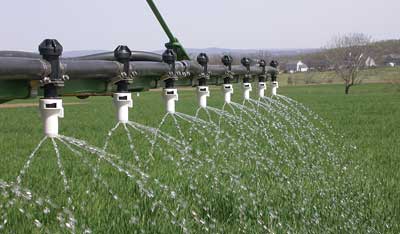
The ideal timing for fertilizer application is at seeding, but there are times when an in-crop top up of nitrogen or sulphur makes sense. This article provides tips to make top dressing work in those situations.
Tissue sampling can be used to diagnose crop problems that may be nutritionally related and to identify any nutrients that may be limiting yields.
Improved crop moisture may have improved the yield potential of canola crops. If nutrient availability does not match this new yield potential, in-crop top-dressing of nitrogen or sulphur (or both) could provide an economic benefit. Find out how to do it.
Canola fields may benefit from a top-dress application of nitrogen or sulphur (or both) if logistics and weather prevented the full recommended application of fertilizer at or before seeding, and if improved weather conditions (rainfall, for example) have increased the yield potential of the crop.
Canola fields may benefit from a top-dress application of nitrogen or sulphur (or both) if logistics and weather prevented the full recommended application of fertilizer at or before seeding, and if improved weather conditions (rainfall, for example) have increased the yield potential of the crop.
You don’t seed canola without starter phosphorus in the seed row, especially in cold soils, but you have options for the rest of the nutrients. And seed placement is not on the list.

The most accurate sampling time is just prior to seeding, but this isn’t always practical because time is needed to purchase and perhaps place the fertilizer before seeding. The next best alternative for this time of year is early spring sampling done after the soil has thawed and is no longer saturated from snow melt.
A lot of farmers who normally apply nitrogen fertilizer in the fall didn’t get the opportunity with the late harvest and unfavourable weather last fall. In this podcast, host Jay Whetter talks with CCC agronomy specialist Warren Ward and Manitoba Agriculture crop fertility specialist John Heard about six options for nitrogen application in the spring.
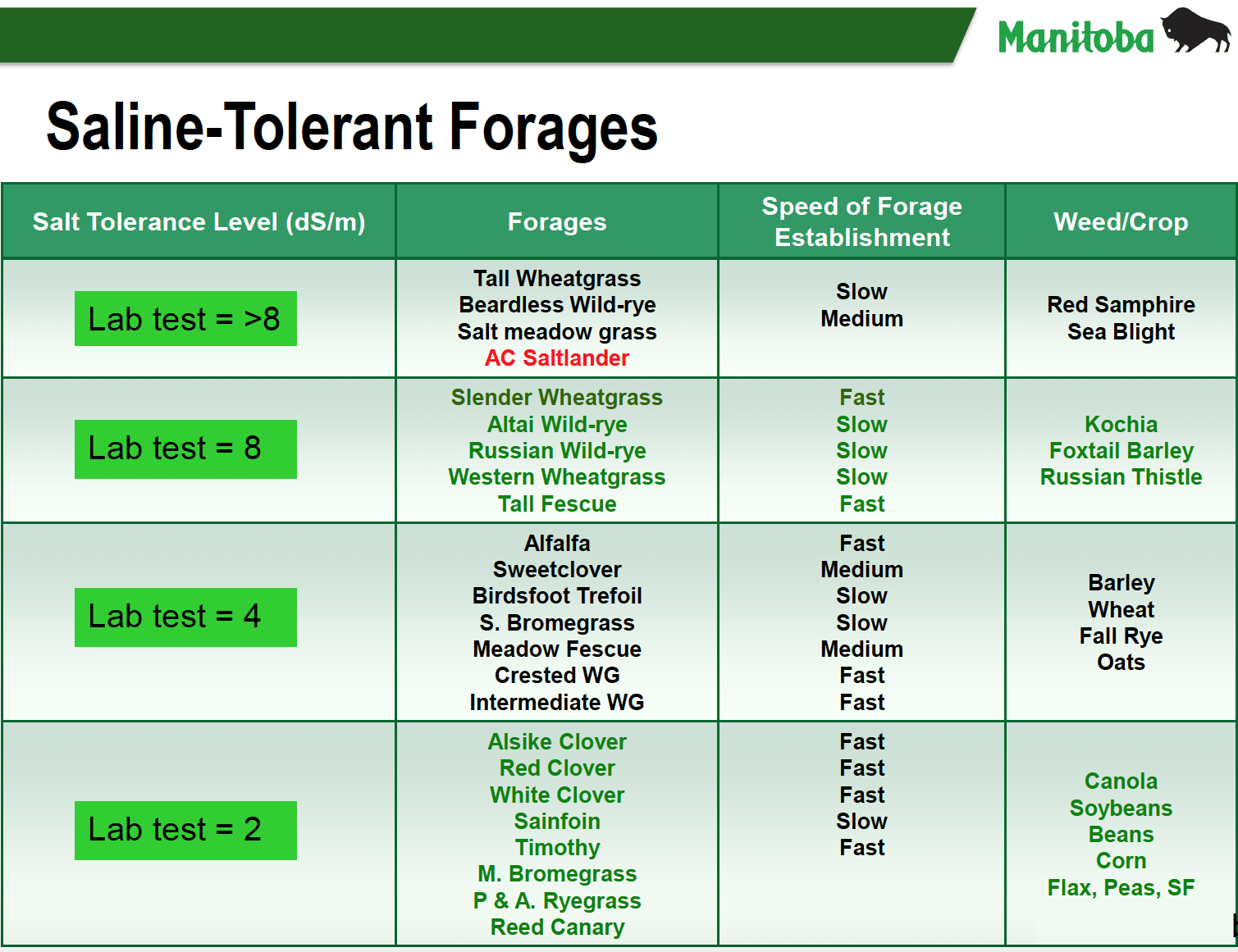
Recent wet and dry cycles have increased topsoil salinity in many parts of the Prairies over the past few years. “Salinity is not a salt problem, it’s a water problem,” says Marla Riekman, soil management specialist with Manitoba Agriculture and Resource Development. “Wet years bring the water table closer to the roots, and salinity wicks up to the soil surface.”
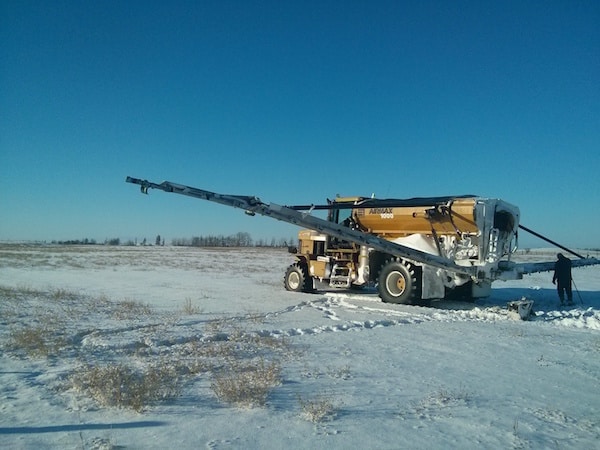

If N fertilizer is applied in fall, it should be banded, preferably as late as possible – but not too late. Applying into frozen ground or on snow is not a good practice.