
1. Prep for good seed placement. 2. Use the canola calculator to set seeding rates. 3. Know the risk of seed-placed fertilizer…and more.
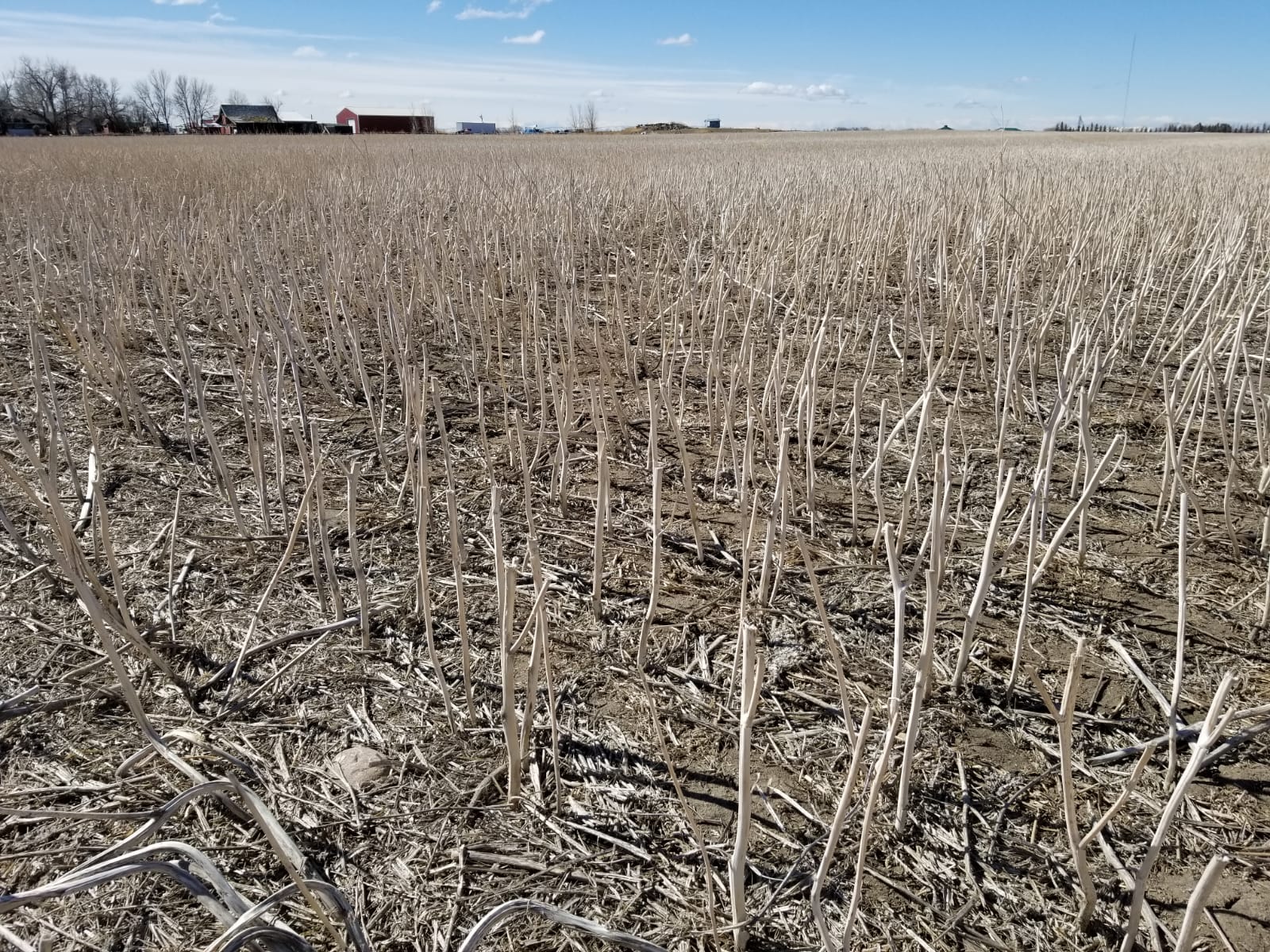
1. Prep for good seed placement. 2. Use the canola calculator to set seeding rates. 3. Know the risk of seed-placed fertilizer…and more.
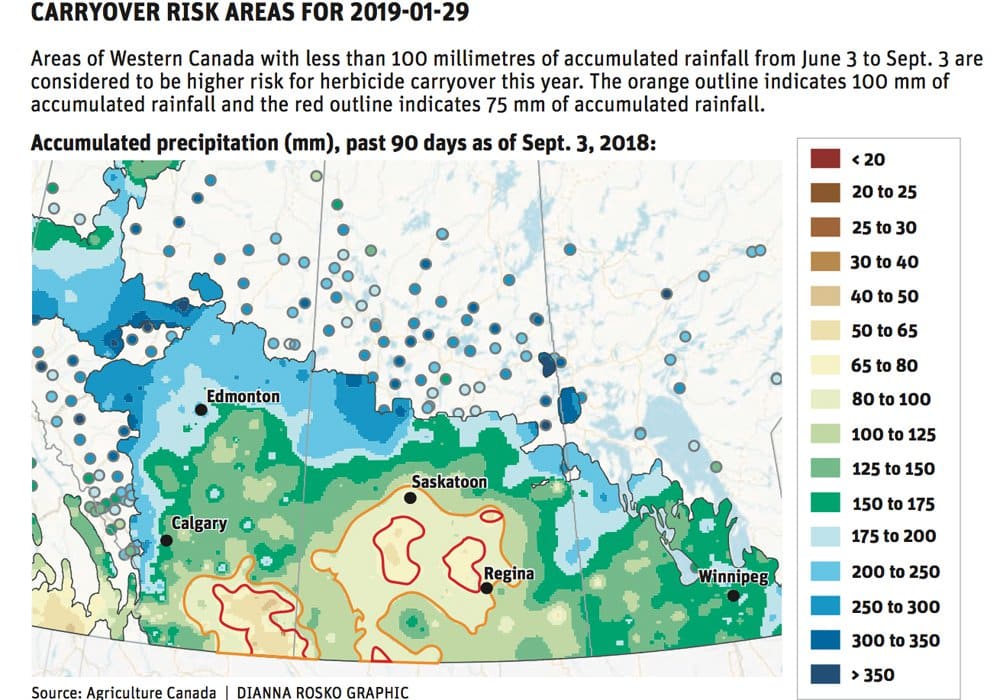

Residual herbicides need a moist environment for herbicide breakdown to occur within the expected time-frame. In dry conditions, the two major breakdown methods – hydrolysis or microbial degradation – will slow down, which elevates the carryover risk.
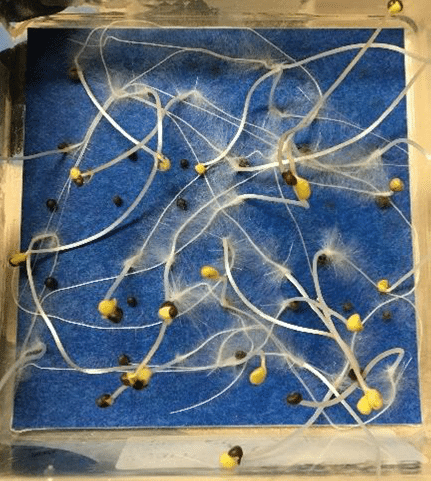

Dormancy happens when a canola seed experiences unfavourable germination conditions and ‘decides’ not to invest in germination until a later date. This is the main contributing factor in the persistence of volunteer canola, which may not germinate for years after the seeds first fall to the ground.

A target of five to eight plants per square foot allows for the loss of a couple of plants to frost, insects or other establishment threats while maintaining yield potential. This seeding rate is extra insurance to reduce risk. This target density range is also wide enough to allow for some uncertainty due to emergence percentage and seed size variations within a seed lot. Here are the economic considerations for five to eight versus two to three plants per square foot…
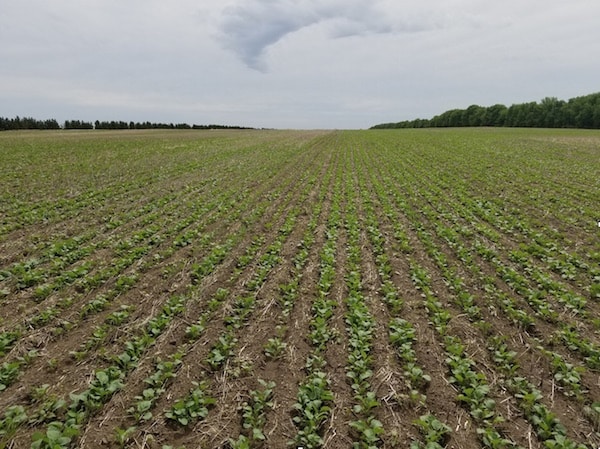
By Ian Epp Plants are fully emerged, making it a great time to take a look at canola plant stand and decide if you’re feeling satisfied or disappointed. The first herbicide application is a great way to extensively “scout” fields from the sprayer, but trying to scan plants as they pass under the sprayer just gives you a rough guess …
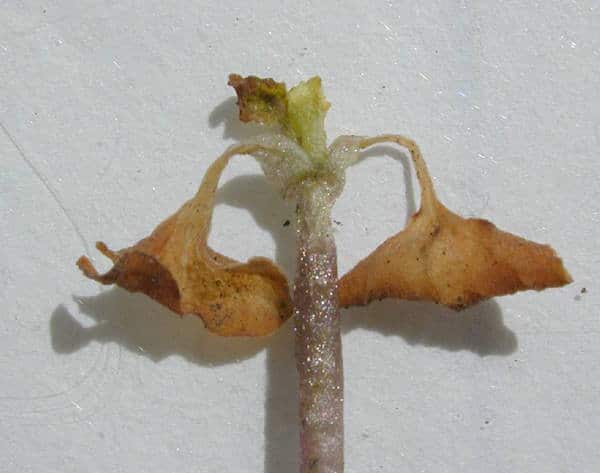
A field has a large number of young canola plants that look limp, pale, chewed-up, knocked around, lifeless and sad. How can you tell if a dead-looking plant still has life? Look at the growing point. Is it green?

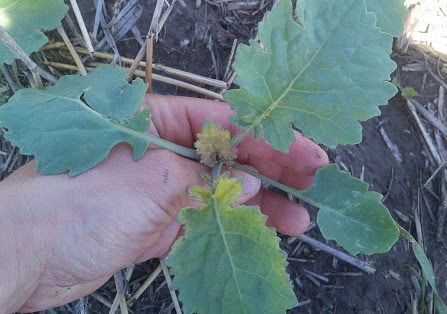

Injury from herbicide residue in the soil can only occur in fields with a history of Group 2, 4, 5 and 14 herbicide applications. While soil characteristics and dry conditions can extend the at-risk period for these herbicides, carryover issues often occur when required recropping intervals are not followed. For example, Roundup Ready or Liberty Link canola cannot be seeded on fields that had Group 2 imazethapyr (Pursuit, Odyssey) the previous season. Here are typical symptoms for canola damaged by herbicide residue from these 4 groups…
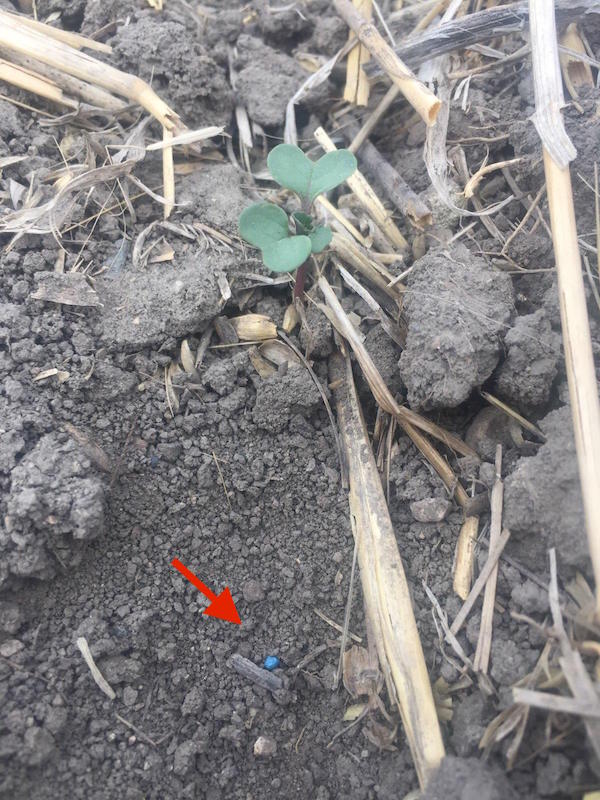

With warm soils, decent moisture and 1” seeding depth, emergence can occur about a week after seeding. If emergence is slow or patchy, scout to find out why. The first 21 days are critical to a successful canola crop.
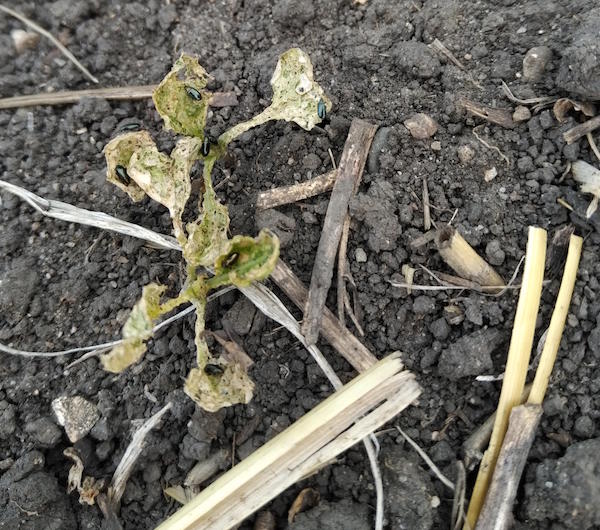

Early-seeded and slow-growing canola crops (usually due to dry conditions) have faced more flea beetle pressure this year, particularly in Manitoba and central Alberta. Flea beetle emergence tended to occur before most canola crops had emerged, so flea beetles concentrated on the earliest fields. And because topsoil moisture levels were fairly low, these canola plants were growing very slowly. Concentrated feeding and the plant’s inability to out-grow this feeding meant many crops were sprayed.
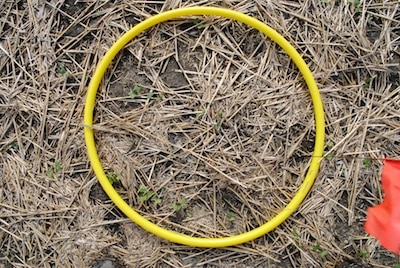

As part of early-season scouting, assess plant density and percent emergence using the Canola Calculator plant survival calculator.