
These seven videos will help growers with harvest and storage decisions.
These seven videos will help growers with harvest and storage decisions.
Here are factors that create the ideal situation for straight combining canola….
If canola is to be swathed later than optimal (with earliest pods shattering), cut in moist conditions (rain or heavy dew) to limit shattering as much as possible.
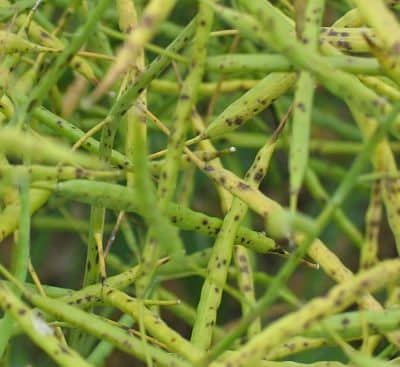

With blackleg, sclerotinia stem rot and clubroot, base the swath timing decision on healthy plants that will contribute to yield. One exception where early swathing could provide an economic benefit is the case of severe alternaria black spot (shown).
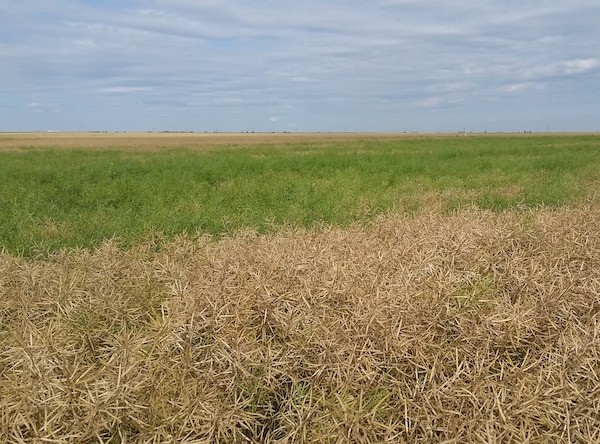

If half the plants are ready and half are just beginning seed colour change, growers may want to hold off on swathing. By waiting 3 or 4 days, there is minimal risk for riper parts of the field and a huge potential benefit for later parts.
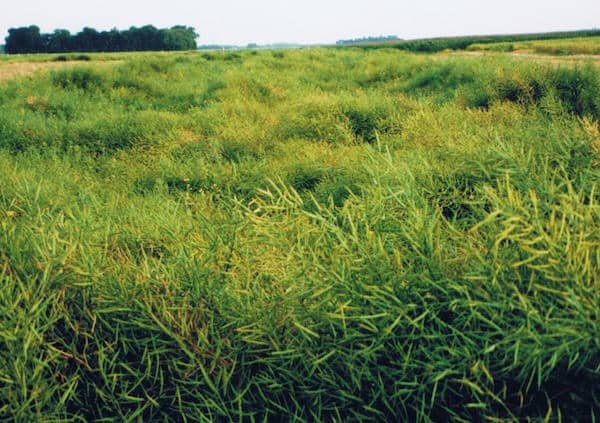

There is no clear advantage to swathing versus straight combining lodged crop. It often comes down to personal preference.
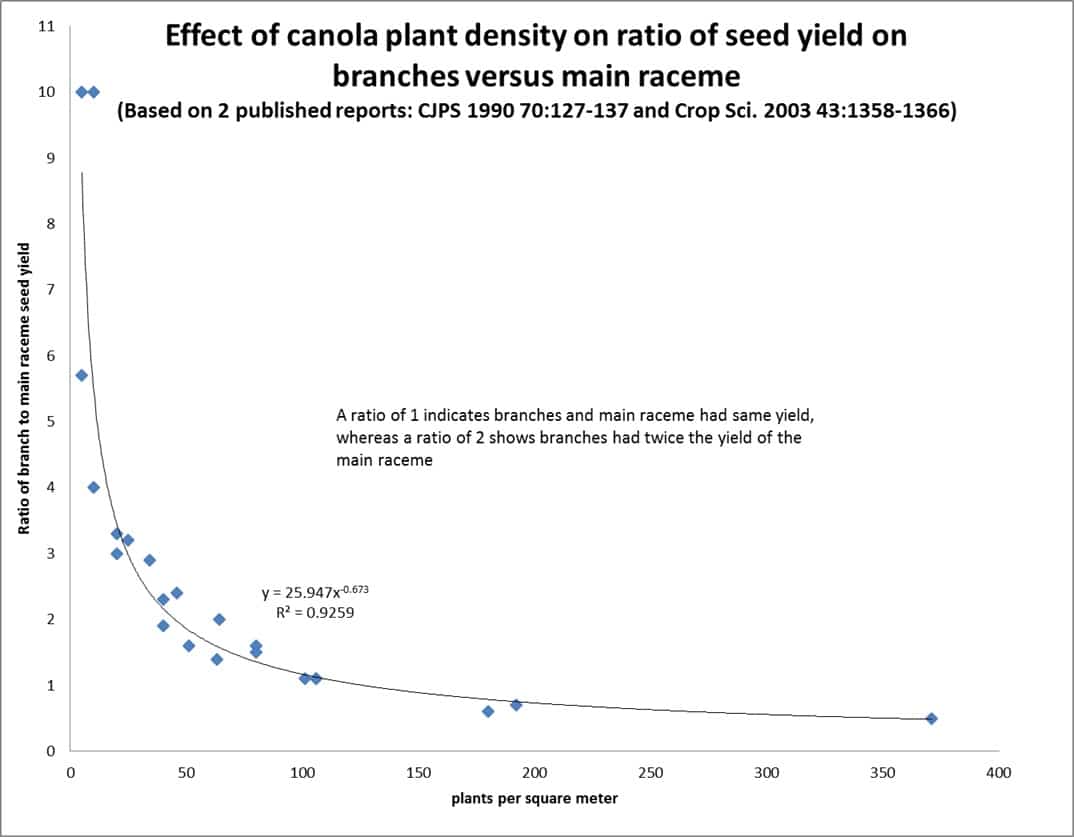

Yield and quality benefit from leaving canola standing longer before swathing. The common recommendation is to wait until at least 50-60% seed colour change (SCC) on the main stem. But that may be overly simplistic — especially if plant populations are low. The graph shows that as plant populations drop, more and more yield will come from side branches.
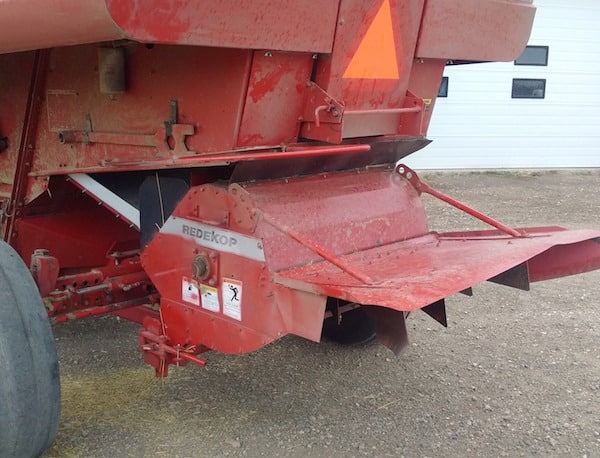

One step is to sharpen chopper blades to improve residue management, especially for fields in cereals now that will be in canola next year.
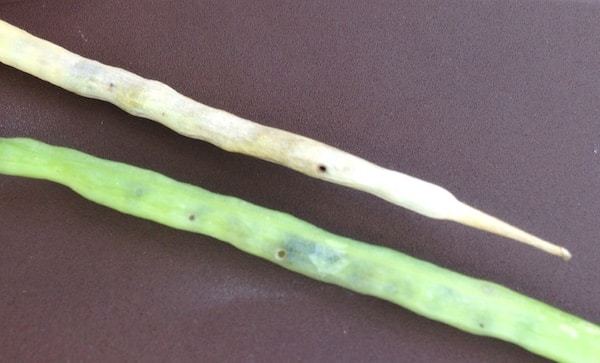
Glyphosate is registered for pre-harvest perennial weed control in canola. Glyphosate is to be applied when the majority of seeds are yellow to brown in colour and seed moisture is less than 30%. Heat fits between glyphosate and Reglone on the speed of dry down spectrum. Reglone is a contact herbicide (only kills what it contacts) and is registered in canola to dry immature green material to facilitate harvest. Reglone shuts the plant down quickly and basically STOPS it from maturing, which can lock in high green seed levels if applied prematurely.
