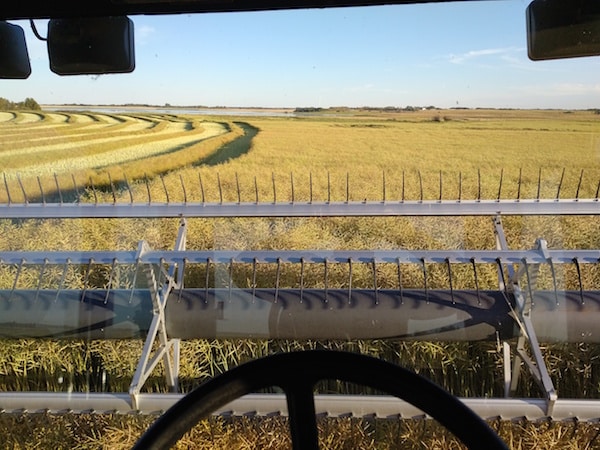
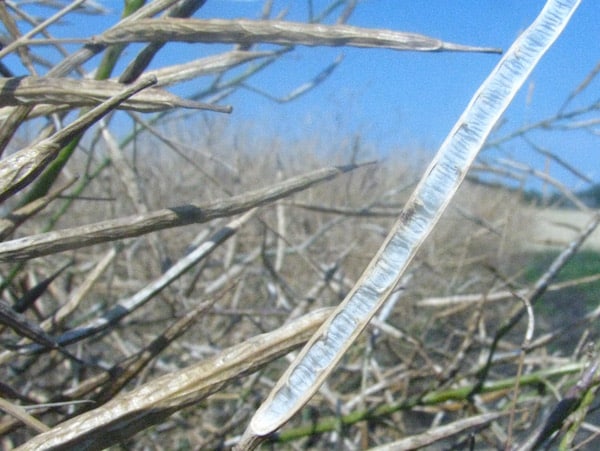
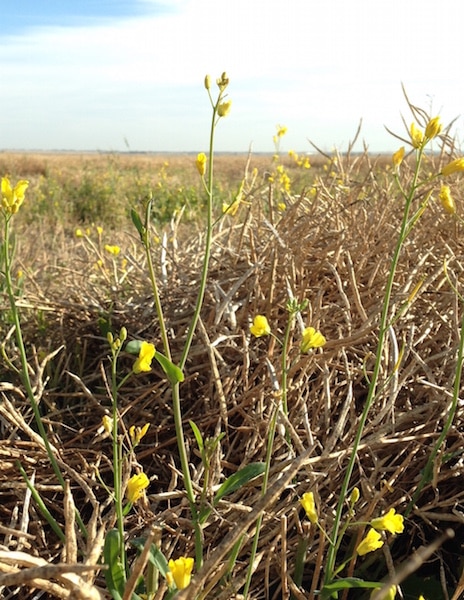
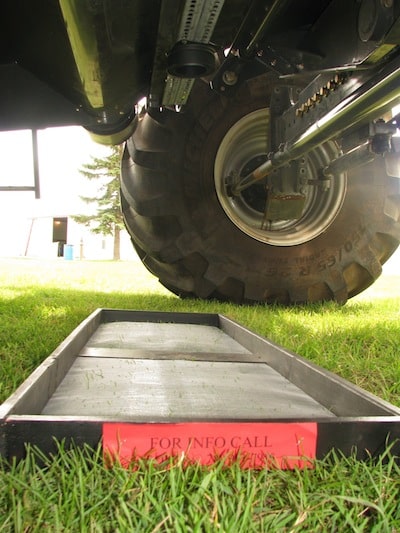
Canola producers can lose up to five bushels or more per acre if the combine isn’t adjusted properly. Here are tips to measure combine losses and make adjustment to limit those losses, putting more canola in the bin and reducing the volunteer canola seedbank in your fields.
Swath timing adjustment for hail, lodging, disease, uneven stands

Optimal swath timing for canola yield and quality is when at least 60% of seeds on the main stem are showing some colour change. Should growers adjust this approach in situations that make the decision more difficult? The following many help with those decisions….
Disease load lowers yield expectations

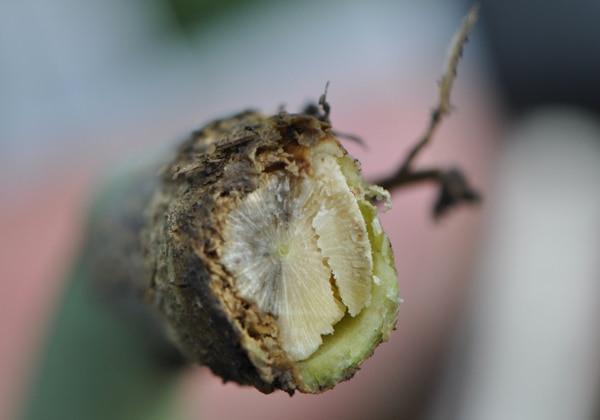
After a moist spring and summer in many areas, disease levels in harvest canola could be high this year — even for fields that received a fungicide.
Weed management before and after harvest

Pre-harvest is a good time to dry down weeds to make straight combining go more smoothly. A pre-harvest application can also provide some weed control on late growing weeds — but is often too late to stop seed production.
Pre-harvest herbicide timing for straight combining
Glyphosate: Apply when the majority of seeds are yellow to brown in colour and “average” seed moisture had dried down to less than 30%.
Heat plus glyphosate: Apply at 70% or more seed colour change.
Reglone: Apply when at least 90% of seeds on the whole plant are brown.
Free assessment of oil, protein and chlorophyll in your canola
Get oil, protein and chlorophyll content, a dockage assessment and an unofficial grade of your canola simply in exchange for submitting your canola sample to the Canadian Grain Commission’s Harvest Sample Program.
Swath timing for higher yield

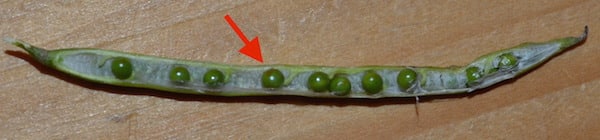
Optimal swath timing for canola yield and quality is when at least 60% of seeds on the main stem are showing some colour change. The arrow points to a seed with a touch of colour on the green. This counts as colour changed.
Top 10 situations that increase straight-cut risk

Most canola growers are familiar with straight combining, even if most have not tried it yet. New varieties with pod shatter resistance have helped with the overall comfort level for the practice. This article looks at situations where swathing may still have an advantage over straight combining.
Insects in stored canola
Canola rarely has an issue with storage insects. Primary stored product insects such as rusty grain beetle, red flour beetle and saw-toothed grain beetle can occasionally be found in stored canola if cereal grain or weed seeds are mixed in with the canola. Canola that goes into a clean bin will not usually encounter a problem with stored grain insects.
Regrowth in swathed canola

Rain and delayed harvest can cause cut canola plants to regrow in some cases, but this regrowth can’t be sprayed.