Hungry wildlife may have discovered your grain bags and opened them up for a snack. With the ground still frozen, it may be a good time to empty bags if wildlife damage is evident and spoilage is likely.
What to do with canola still out there?
Spring harvesting is the best way to remove canola still in the field. Quality will likely be down, but it will still be worth something. Growers may think of alternatives, but they’re probably not as economical.

Check for spoilage

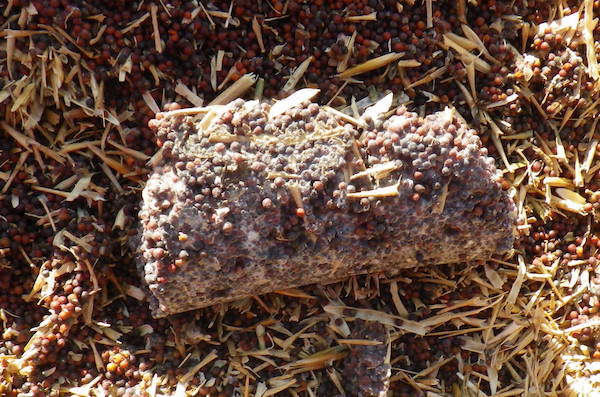
Steam coming out of bin doors or snow melting off one bin while remaining on others is a quick clue — but don’t use these as your only indicators! Spoilage usually starts small. Even with temperature cables, start points are not always detected until some of the grain is already damaged.
Keep an eye on bags, patch holes

If leaving bags for the winter, watch them regularly. Feel them for warm temperatures. Probe them if possible. Tape up any holes that may occur due to wildlife or any other damage. Spoilage in bags often starts around holes.
ALERT: Canola is heating!

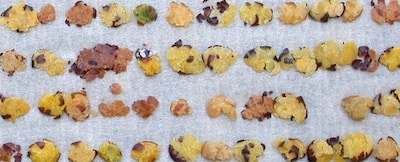
Delivery points report a spike in heated canola. Check all canola bins as soon as possible.
Questions about high-moisture canola
Weather is finally allowing for some harvest to resume across the Prairies, but the concern now is how to handle canola that could come off very tough, or damp. These steps will help improve conditioning results and reduce risk….
How do snow and winter affect canola quality?

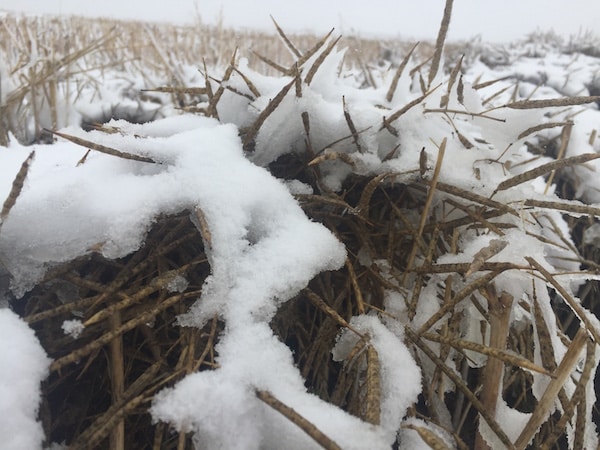
Canola harvested in the spring can have lower weights, lower oil content, higher free fatty acids in the oil and more animal excrement in the harvested sample, which could pose significant challenges from a feed safety perspective. Because the degree of yield or quality degradation is difficult to predict and likely depends on conditions, oilseed processors will assess the physical and intrinsic quality attributes and make a decision as to whether to accept spring-threshed canola at that time.
Bag storage short term, especially for tough canola
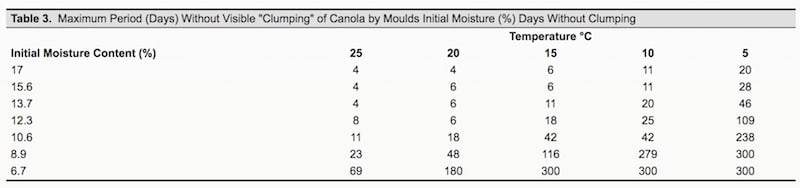
Canola at moisture levels above 12% should only be stored in bags for three to four weeks, if at all, to avoid deterioration of quality.
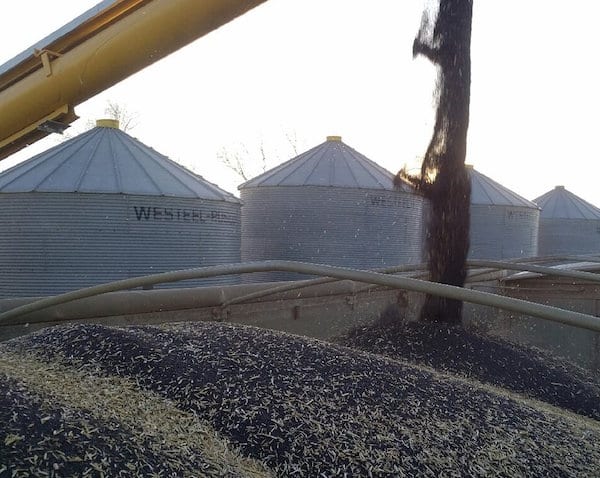
Check your bins

While the priority is on combining for many canola growers this November, please take time to check the storage situation for canola already harvested.
Alert: What to do with high moisture canola?
Weather is finally allowing for some harvest to resume across the Prairies, but the concern now is how to handle canola will undoubtedly come off very tough, or damp. Try to make a plan prior to taking it off the field, as even at low temperatures the bulk will likely be quite volatile. Spoilage can occur rapidly. These steps will help improve conditioning results and reduce risk: