
Canola is heating in bins!

This is steam coming off canola heating due to high moisture. This was not a welcome sight for the grower.

This is not the kind of steam room you’re looking for on a cold winter day. This was taken inside a canola bin in the Peace River region last week. A spike in heated canola has been reported over the past couple weeks. Growers are encouraged to check all canola bins as soon as possible. Spoilage usually starts small and heating is not always detected by temperature cables until some of the grain is already damaged. Cooling the bin and stopping this early heating now can save a lot of money in lost grade and lost delivery options.
Alert: Sudden rise in heated canola

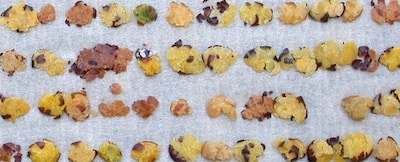
Heated canola, the brown burned seeds, mean an immediate downgrade.

Some canola growers have reported rising temperatures in their canola bins. Growers are encouraged to check all canola bins as soon as possible. Heating can start small and go unnoticed for days and perhaps weeks. Cooling the bin and stopping this early heating now can save a lot of money in lost grade and lost delivery options.
Time for November bin checks

Bins Lanti

This is the month to make sure stored canola is stable heading into winter. As outside temperatures drop below zero and stay there, canola growers want to make sure canola has cooled throughout the bin. This is also a good time to assess whether your storage measures up. Is it time for a heated air system, or a dryer? For more on storage considerations, we have archived videos on floors, fans, bag storage and other presentations from the Canola Council of Canada Storage Clinic in Brandon in 2012.

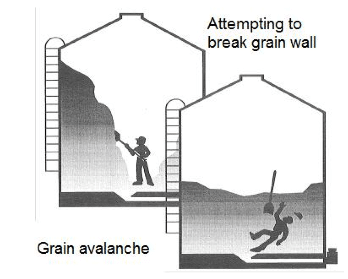
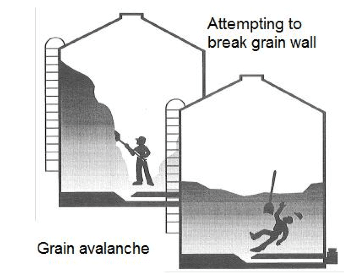
Be safe when handling grain

Grain walls can let go quickly. Pick at them from outside the bin with a long pole. Source: Safe Farms, Manitoba

Please be careful when climbing grain bins to open hatches or probe them, when using grain handling equipment, and while transporting grain.

And certainly try to avoid entering bins to help improve grain flow and break crusting. Manitoba’s Safe Farms program provides the following tips on how to control the hazards from its “Flowing Grain Entrapment” factsheet….

Canola stays hot for weeks

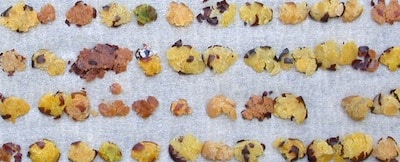
Heated canola, the brown burned seeds, mean an immediate downgrade.

Canola binned hot will retain that heat for weeks and likely months, with the risk of storage losses rising with each passing day. Growers who binned hot canola in September and August will want to check that the temperature has come down to a safe storage level of below 15°C. Putting hot canola on air or turning it on a cool day is essential. Ideally, this is done soon after binning, but now may be soon enough to arrest the heating process.

Straw management issues

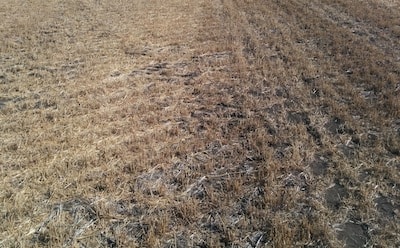
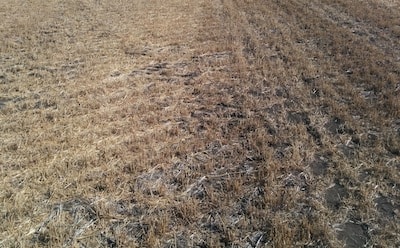
Poor functioning spreaders leave some areas covered and some bare.

Cereal straw management is especially important on fields planned for canola next year, given the impact uneven residue can have on seed placement and seedling survival. Cutting as high as you can and making sure the combine spread width matches the header width are important steps at harvest. Have someone check the spread pattern behind the combine. Sometimes just adjusting the spreader vanes is enough to improve results.

Swath or straight combine frosted canola?

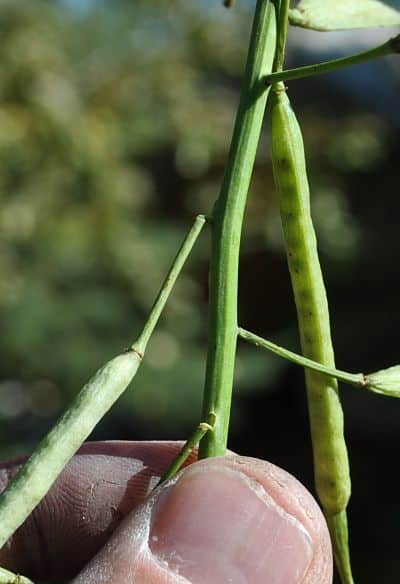
Within a day after the frost, pedicels — the small stems attaching pods to stems — are drying out and snapping. These pods will start dropping, which is another reason to swath right away.

This has been a common question after last week’s heavy frost. Growers wonder whether frost-damaged canola should be swathed or left standing for straight combining.

By now, any pod splitting or pod drop due to tissue damage from the heavy frost has probably happened. This usually starts within a day of the frost event. If the crop is still sound, you can probably stick with original plan — whether that was to straight combine or swath. Note that if you plan to swath, an extra few days standing in these good conditions will probably help fill seeds and increase overall plant maturity, as long as those plants are still alive. If the frost has killed them, then waiting to swath probably won’t help.

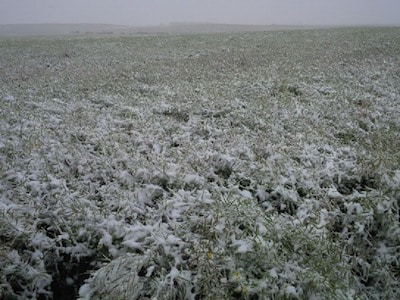
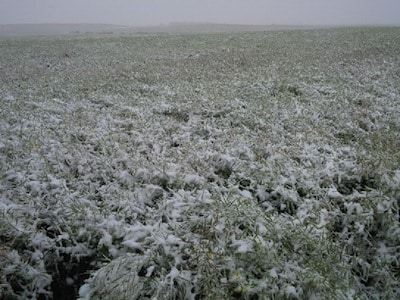
Flattened by snow

Photo credit: Garth Donald

Canola fields flattened by snow last week are unlikely to spring back. If they’re still flat, they’ll be staying flat. There is no easy way to harvest this crop, but these tips may help….

How much are you throwing over?

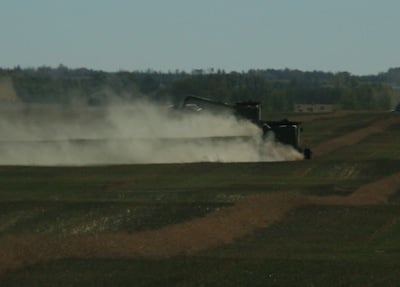
combine canola smalll

Growers are showing new energy in harvest loss management this week, sparked in large part by Angela Brackenreed’s excellent cover article in the September 2014 issue of Canola Digest. Read it here.

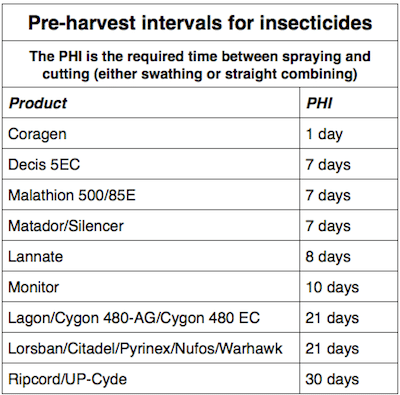
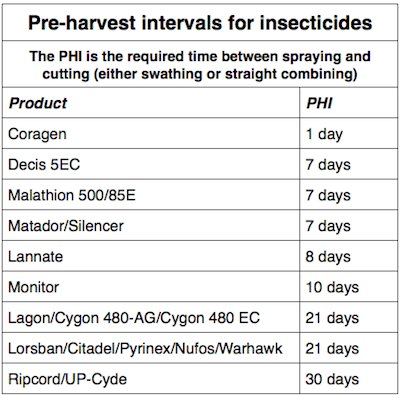
Pre-harvest intervals closing

PHI insecticides

Insect threats are minimal at this stage of the season, but if you have late fields and an insect hot spot — say for bertha armyworm — the options are limited.